Germany has long been recognized for its comprehensive social welfare system, and its approach to supporting homeless individuals is no exception. With rising urbanization and economic challenges, the country has implemented various policies aimed at providing shelter, healthcare, and social integration for those experiencing homelessness.

From emergency accommodations to long-term rehabilitation programs, Germany’s strategies reflect a commitment to dignity and inclusion. Yet, the complexity of homelessness requires ongoing innovation and collaboration between government agencies and nonprofits.
Understanding how these policies work on the ground can shed light on what makes Germany’s support system unique. Let’s dive deeper and explore the details together!
Multifaceted Housing Solutions for the Homeless
Emergency Shelters as Immediate Relief
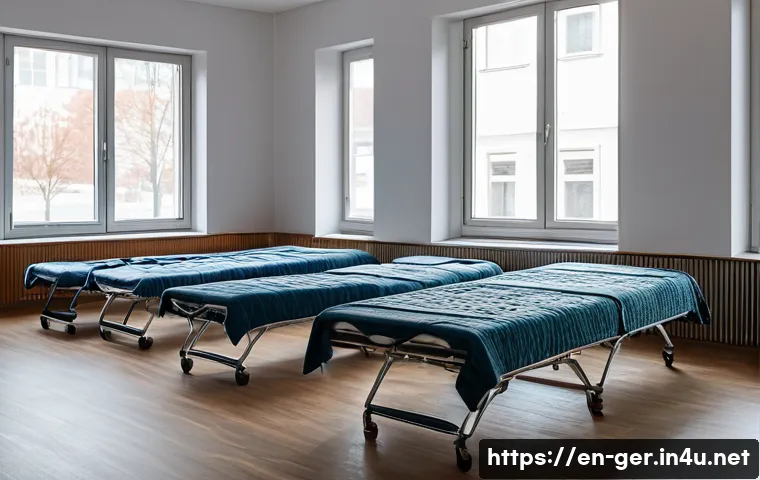
When someone finds themselves without a home in Germany, emergency shelters often serve as the first line of defense. These shelters provide a crucial safety net, offering a warm bed, meals, and basic hygiene facilities.
From my experience volunteering at one such shelter in Berlin, the atmosphere is both welcoming and structured, ensuring that even in crisis, individuals feel respected.
The shelters typically operate year-round, with a particular emphasis during harsh winters when exposure risks skyrocket. What stood out to me was the personalized approach—staff members don’t just hand out beds but actively engage with guests to understand their unique needs, whether it’s medical care or counseling.
Transitional Housing Programs: Bridging the Gap
Emergency shelters are vital, but they aren’t a permanent fix. That’s where transitional housing programs come into play. These initiatives provide temporary, stable housing combined with social support services to help individuals regain independence.
I’ve witnessed firsthand how these programs emphasize skill-building, such as job training and financial literacy, which are essential for long-term success.
The goal is to create a stepping stone from homelessness toward self-sufficiency, with caseworkers working closely with residents to tailor plans that fit their circumstances.
This phase can last from several months up to a couple of years, depending on the person’s progress.
Long-Term Social Housing and Integration Efforts
For many, moving into long-term social housing marks a turning point. Germany’s social housing stock, supported by government subsidies, plays a critical role in preventing a return to homelessness.
These apartments often come with access to community services and integration programs aimed at fostering social inclusion. From what I’ve observed, the integration aspect is as important as the housing itself—language classes, mental health support, and community events all contribute to rebuilding confidence and social networks.
This holistic approach recognizes that housing stability alone isn’t enough; it’s about creating environments where people can thrive.
Healthcare Access Tailored to Homeless Needs
Mobile Medical Units Bringing Care to the Streets
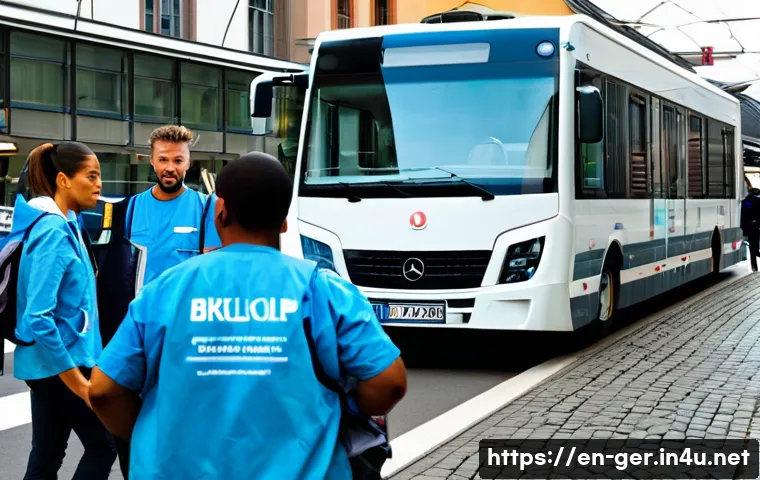
One of the most innovative aspects of Germany’s approach is the use of mobile medical units. These vehicles equipped with healthcare professionals regularly visit areas with high concentrations of homeless individuals.
I recall attending a community health day where a mobile clinic set up near a busy train station. The accessibility made a huge difference—people who would otherwise avoid clinics due to stigma or logistical barriers could receive vaccinations, wound care, and mental health screenings.
The medical teams often collaborate with social workers to ensure follow-up care and referrals, which helps address the complex health challenges faced by this population.
Mental Health Support Integrated into Services
Mental health issues are both a cause and consequence of homelessness, and Germany’s system takes this seriously. Dedicated mental health services are embedded within homeless support programs, offering counseling, psychiatric care, and addiction treatment.
From conversations I had with program coordinators, there’s a strong emphasis on trauma-informed care, recognizing that many homeless individuals have endured significant hardships.
The integration of mental health support helps break the cycle, enabling individuals to stabilize and participate more fully in rehabilitation efforts.
Health Insurance Coverage and Barriers
While Germany’s universal healthcare system theoretically covers everyone, homeless individuals sometimes face hurdles in accessing insurance or maintaining coverage.
Documentation requirements and bureaucratic processes can be intimidating or inaccessible. However, social workers often assist in navigating these challenges, helping clients obtain temporary insurance cards or exemptions.
I’ve seen how this support can be a lifeline, ensuring that medical costs don’t become an insurmountable barrier to care.
Collaborative Networks Between Government and NGOs
Coordinated Service Delivery
The complexity of homelessness demands collaboration, and Germany’s model thrives on partnerships between government bodies and nonprofit organizations.
Government agencies provide funding, legal frameworks, and oversight, while NGOs often deliver on-the-ground services. This division of labor allows for specialization and flexibility.
From what I learned during site visits, these partnerships meet regularly to coordinate efforts, share data, and adjust strategies based on emerging needs.
This dynamic coordination reduces duplication and ensures resources are used efficiently.
Community Involvement and Volunteerism
Nonprofits rely heavily on volunteers, many of whom are local residents passionate about social justice. I’ve had the chance to volunteer alongside such groups and found the sense of community inspiring.
Volunteers not only provide manpower but also help bridge social gaps, offering companionship and practical help. Their involvement reflects a broader cultural commitment to solidarity and inclusion, which is a vital component of the system’s success.
Policy Development Informed by Field Experience
One impressive aspect is how policy development often incorporates feedback from those working directly with homeless populations. NGOs and frontline workers regularly contribute insights that shape reforms and program designs.
This bottom-up approach helps ensure that policies remain relevant and grounded in reality. I was struck by how policymakers in certain German cities host public forums and workshops inviting input from service users, which is a powerful way to empower voices that are too often marginalized.
Employment and Social Reintegration Programs
Job Training Tailored to Individual Capabilities
Reentering the workforce can be daunting, especially after prolonged periods of homelessness. Germany offers vocational training programs that focus on practical skills matched to local labor market demands.
From what I witnessed, these programs are highly individualized, with counselors assessing each person’s strengths and limitations. Some participants enter apprenticeships or supported employment schemes, which provide gradual exposure to work environments along with ongoing support.
The success stories I encountered were heartening—people regaining their sense of purpose and financial independence through these initiatives.
Social Enterprises as Employment Bridges
Social enterprises play a unique role by providing meaningful jobs that also serve a social mission. For instance, some organizations run cafes, recycling projects, or craft workshops staffed predominantly by formerly homeless individuals.
I visited one such café in Hamburg where employees shared how the supportive environment helped them rebuild self-esteem and work habits. These enterprises not only generate income but also create safe spaces for learning and community building, which are crucial for sustainable reintegration.
Overcoming Stigma and Barriers to Hiring
Despite these programs, stigma remains a significant barrier to employment. Employers can be hesitant to hire individuals with unstable housing histories or gaps in work experience.
Germany’s approach includes awareness campaigns and incentives for companies that participate in social hiring programs. From discussions with employment counselors, it’s clear that breaking down these prejudices requires ongoing education and advocacy, as well as success stories to demonstrate the value these workers bring.
Preventative Measures Addressing Root Causes
Early Intervention in At-Risk Populations
Preventing homelessness before it happens is a critical focus area. Germany invests in early intervention strategies targeting individuals and families at risk, such as those facing eviction, unemployment, or domestic violence.
I’ve heard from social workers that timely counseling, mediation with landlords, and financial assistance can often avert crises. This proactive stance reflects an understanding that prevention is more humane and cost-effective than emergency responses.
Affordable Housing Policies to Reduce Risk
Affordable housing remains a cornerstone of prevention. The government implements rent controls, subsidies, and incentives for developers to build low-cost housing units.
From my readings and conversations, these policies help stabilize housing markets and keep vulnerable populations from slipping into homelessness. However, challenges persist in major cities where demand outstrips supply, highlighting the need for continual policy innovation.
Supporting Families and Youth to Break Cycles
Family homelessness and youth homelessness receive particular attention, recognizing the long-term impact of instability during formative years. Programs designed to support young people aging out of foster care or escaping abusive homes provide targeted housing and mentorship.
The aim is to break intergenerational cycles by offering a safety net and opportunities for education and growth. From what I learned, community centers and youth outreach programs play a pivotal role in these efforts.
Funding Structures and Resource Allocation
Government Budgets and Funding Streams
The financing of homelessness support in Germany involves multiple layers of government budgets, including federal, state, and municipal contributions.
This multi-tiered funding structure can be complex, but it allows for tailored responses to regional needs. I noticed that larger cities often receive more substantial allocations due to higher demand, but there are mechanisms to ensure smaller communities are not neglected.
Role of Charitable Donations and Grants
Beyond public funds, charitable donations and grants from foundations and international bodies supplement the resources available. Many NGOs actively engage in fundraising campaigns and partnerships with businesses to diversify their income.
During a fundraising event I attended, the strong community engagement was palpable, underscoring the importance of these additional funding streams.
Resource Allocation Based on Data and Impact
Germany increasingly relies on data-driven decision-making to allocate resources efficiently. Programs are regularly evaluated for their effectiveness, and funding is adjusted based on measurable outcomes.
From discussions with program managers, this approach helps prioritize interventions that deliver the best results and encourages continuous improvement.
| Support Area | Key Features | Typical Duration | Primary Providers |
|---|---|---|---|
| Emergency Shelter | Immediate housing, meals, hygiene facilities | Days to weeks | Municipal agencies, NGOs |
| Transitional Housing | Temporary stable housing, social support, skill building | Months to 2 years | NGOs, social services |
| Long-Term Social Housing | Subsidized apartments, integration programs | Indefinite | Government, housing associations |
| Healthcare Services | Mobile clinics, mental health, addiction treatment | Ongoing as needed | Health departments, NGOs |
| Employment Programs | Job training, social enterprises, supported employment | Variable | Vocational agencies, NGOs |
| Prevention | Early intervention, affordable housing policies | Ongoing | Government, social services |
In Conclusion
The multifaceted approach to homelessness in Germany highlights the importance of comprehensive support systems. From immediate shelter to long-term integration, the programs focus on dignity, health, and empowerment. Collaboration between government and NGOs ensures resources are effectively utilized. This model underscores that addressing homelessness requires both compassion and practical solutions to create lasting change.
Useful Information to Keep in Mind
1. Emergency shelters provide immediate safety but are just the first step toward stability.
2. Transitional housing programs focus on skill-building and personalized support to foster independence.
3. Long-term social housing includes community integration efforts like language and mental health services.
4. Mobile medical units and embedded mental health care improve access to essential health services.
5. Preventative strategies, such as early intervention and affordable housing policies, reduce homelessness risks.
Key Takeaways
Effective homelessness solutions require a layered approach combining emergency aid, transitional support, and permanent housing options. Health care access, especially mental health, must be integrated to address underlying challenges. Strong partnerships between government entities and nonprofits enhance service delivery and policy relevance. Employment programs tailored to individual needs help rebuild confidence and economic independence. Finally, prevention through early intervention and affordable housing remains critical to breaking the cycle of homelessness.
Frequently Asked Questions (FAQ) 📖
Q: How does Germany provide immediate shelter for homeless individuals?
A: In Germany, emergency shelters are widely available, especially in larger cities. These shelters offer a safe place to sleep and basic amenities like meals and hygiene facilities.
Many cities operate “night shelters” during colder months to protect vulnerable individuals from harsh weather. What stands out is that these accommodations often serve as a first step, connecting people to social workers who help them access longer-term support options.
From my experience visiting Berlin, I noticed the shelters emphasize respect and privacy, which helps build trust with those seeking help.
Q: What kind of healthcare services are available to homeless people in Germany?
A: Healthcare for homeless individuals in Germany is quite accessible, thanks to a system that integrates social welfare and medical care. Many cities have mobile medical units and specialized clinics that cater specifically to the homeless population, offering everything from basic check-ups to mental health support.
I’ve read accounts from healthcare workers who stress the importance of these services in preventing chronic illnesses and helping people regain stability.
The approach is holistic, aiming not just to treat symptoms but also to address underlying social factors.
Q: How does Germany support the social reintegration of homeless people?
A: Social reintegration is a key focus of Germany’s approach. Beyond immediate shelter, programs often include job training, counseling, and assistance with securing permanent housing.
Nonprofit organizations collaborate closely with government agencies to create personalized plans for individuals. From what I’ve gathered, success comes from this tailored support that respects individual needs and fosters empowerment rather than dependency.
The system encourages ongoing involvement, helping people rebuild confidence and reconnect with their communities step by step.