Traveling through Germany’s bustling airports can feel overwhelming, especially with the recent surge in international visitors and evolving transportation options.
Whether you’re arriving in Frankfurt, Munich, or Berlin, knowing how to navigate airport transfers like a local can save you precious time and stress.
From insider tips on public transit to savvy taxi hacks, mastering these connections opens the door to a smoother start to your German adventure. Stick around as we dive into practical advice that turns airport chaos into seamless travel—because your journey deserves to begin effortlessly.
Understanding Public Transit Options from Major German Airports
How to Choose Between S-Bahn, Regional Trains, and Long-Distance Trains
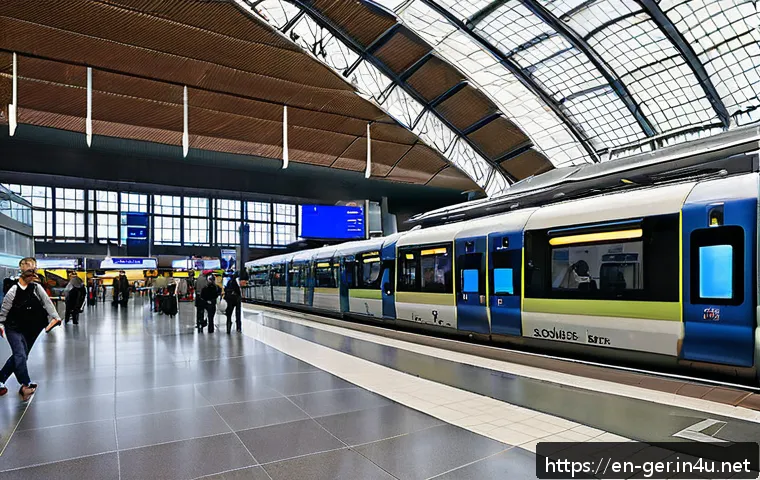
When you step off your flight in airports like Frankfurt or Munich, the first question is often: which train should I take? The S-Bahn (suburban train) is the quickest way to reach the city center, especially for short distances within the metropolitan area.
It runs frequently and is budget-friendly. However, if your destination is farther out or you want to connect to other cities, regional trains (Regionalbahn or Regionalexpress) offer a good balance between speed and cost.
For longer trips, the InterCity (IC) and InterCityExpress (ICE) trains provide fast and comfortable travel but at a higher price point. One trick I’ve learned is to check the DB Navigator app for live schedules and platform changes—it saved me from sprinting through Frankfurt Airport more times than I can count!
Ticketing Tips and Where to Buy
Buying your ticket before boarding can save you from fines or last-minute stress. You can purchase tickets at the airport’s ticket machines, which have English interfaces, or use apps like DB Navigator and BVG Fahrinfo for Berlin.
If you’re planning multiple trips within the city or nearby, day passes or group tickets can be a better deal. Don’t forget to validate your ticket when required—some machines are located near the platforms.
From personal experience, I always double-check if my ticket needs stamping because it’s easy to overlook in the hustle of travel.
Accessibility and Luggage Considerations
Navigating public transit with heavy luggage can be tricky. Fortunately, most major German airports have elevators and escalators connecting terminals to train stations, but during rush hours, space can be tight.
I recommend traveling outside peak hours if possible or using luggage trolleys available at airports. Also, some regional trains have designated luggage areas, which is a lifesaver when you want to avoid juggling bags.
Planning ahead for these small details makes the whole transit experience much smoother and less stressful.
Effective Taxi and Ride-Share Strategies for Airport Transfers
Finding Official Taxi Stands and Avoiding Scams
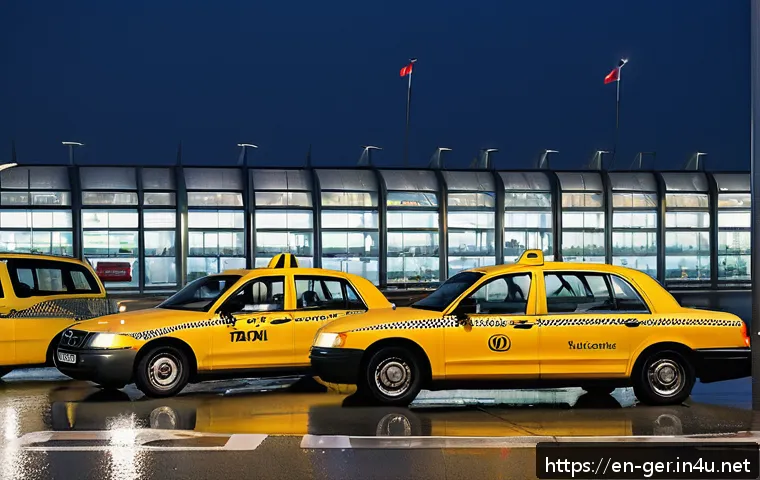
One thing I’ve noticed is that official taxi stands at German airports are usually well-marked and located just outside the arrivals area. Always use these stands instead of hailing cabs randomly to avoid unlicensed drivers or inflated fares.
It’s common courtesy and safety practice here. Also, taxis in Germany usually charge by the meter, so asking for an estimated fare upfront can save surprises.
I once had a driver who took a longer route, but because the meter was running, I felt confident that I was paying a fair price. If you’re in doubt, it’s okay to politely confirm the route before starting.
Using Ride-Sharing Apps: What Works Best
Ride-sharing apps like Uber or Free Now operate in cities like Berlin and Munich, but their availability at airports can be limited or subject to local regulations.
I recommend checking app availability before your trip and having cash or card ready just in case. One tip I found useful is to set your pickup point a little away from the official taxi zone if the app requires it, as this sometimes speeds up the process.
Plus, ride-share fares can fluctuate, so booking early or during off-peak hours can reduce costs.
When to Choose Taxi Over Public Transit
While public transit is usually cheaper, taxis shine when you’re traveling with a group, carrying heavy luggage, or arriving late at night when trains are less frequent.
I personally opted for a taxi after a red-eye flight into Berlin because the convenience outweighed the cost. Also, if you’re short on time and want to get directly to your accommodation without transfers, a taxi is worth considering.
Just balance your budget and comfort needs to pick the best option for your situation.
Making the Most of Airport Shuttle Services
Types of Shuttle Services Available
Many airports in Germany offer shuttle buses connecting terminals, parking lots, and nearby train stations. Some hotels also provide dedicated shuttle services to and from the airport, which can be a lifesaver after a long flight.
These shuttles are usually free or low cost and run frequently during peak hours. From my experience, these services can be a quiet, hassle-free alternative to navigating public transit, especially if you’re unfamiliar with the local language or transport system.
Booking and Timing Your Shuttle Ride
Shuttle schedules vary by airport and service provider. It’s smart to check timetables online or call your hotel in advance to confirm shuttle availability.
I learned that some shuttles require reservations, so planning ahead is crucial. Arriving at the shuttle stop a few minutes early helps avoid missing the ride, especially if you’re traveling with others.
When I once missed a shuttle at Munich Airport, I had to wait almost 30 minutes for the next one, which cut into my sightseeing time.
Comfort and Accessibility Features
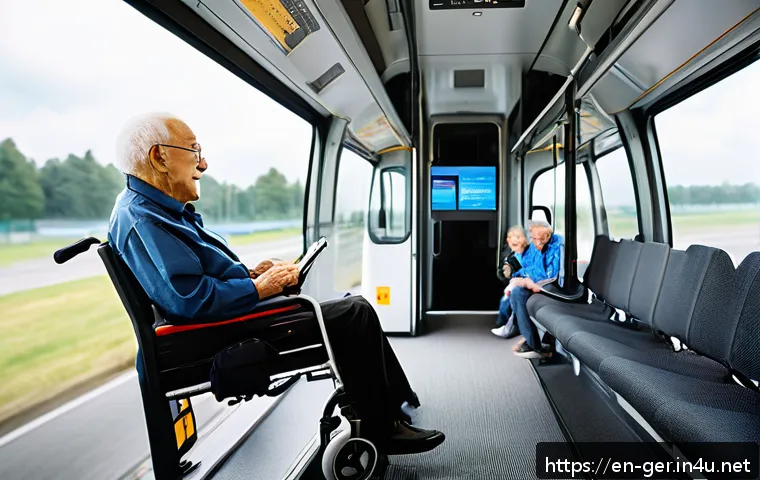
Airport shuttles in Germany tend to be modern and equipped with air conditioning and wheelchair accessibility. If you have special needs or heavy luggage, these shuttles can be a very convenient option.
I always appreciate the calm atmosphere on these rides compared to crowded trains or taxis, allowing me to relax and mentally prepare for the next leg of my trip.
Don’t hesitate to ask shuttle staff for assistance if needed—they’re usually very helpful.
How to Navigate Customs and Security for Quick Transfers
Understanding Schengen and Non-Schengen Transfers
Germany’s airports handle both Schengen (EU) and non-Schengen flights, and this affects how you pass through customs and security. If you’re transferring from a non-Schengen flight to a Schengen destination, you’ll go through passport control and possibly security checks again.
This process can take time, so allow at least 90 minutes for these transfers. I once underestimated this at Frankfurt and had to rush through the terminals, which was stressful.
For Schengen-to-Schengen connections, the process is usually quicker but still requires attention to gate changes.
Tips for Speeding Up Security Checks
To breeze through security, keep your boarding pass and passport handy, and pack liquids according to the 100ml rule. Wear easy-to-remove shoes and avoid bulky belts or jewelry.
I find that arriving at the security checkpoint early in the day helps avoid long lines. Also, some airports offer fast-track lanes for an additional fee, which can be worthwhile if you’re tight on time or want to reduce stress.
What to Do If You Miss Your Connection
Missing a connecting flight happens to the best of us. If it does, head straight to your airline’s transfer desk or customer service counter. They are usually quick to rebook you on the next available flight.
From experience, staying calm and polite goes a long way in getting helpful support. Also, check if your airline provides meal vouchers or hotel accommodations if delays extend overnight.
Smart Packing and Timing for Efficient Transfers
Minimal Luggage for Easier Mobility
Traveling light is a game changer when dealing with busy airports. I always recommend packing a carry-on only if possible, which lets you skip checked baggage lines and speeds up transfers.
Even if you have to check luggage, using lightweight, easy-to-roll suitcases makes moving between terminals less taxing. Avoid packing too many small bags, as juggling them while navigating crowds can be frustrating.
Allowing Extra Time for Unexpected Delays
Flight delays, long security lines, or transportation hiccups happen, so building in buffer time is crucial. For international-to-domestic connections within Germany, I usually budget at least 2 hours.
This extra time reduces stress and gives you a chance to grab a snack or coffee. I once had a tight 45-minute transfer in Berlin that nearly caused me to miss my train, so trust me—more time is always better.
Using Airport Lounges to Recharge Between Transfers
If you have a longer layover, consider accessing an airport lounge. Many German airports offer pay-per-use lounges where you can relax, enjoy free Wi-Fi, and grab refreshments.
I found this especially helpful during winter layovers when waiting in cold terminals is no fun. Some credit cards also provide complimentary lounge access, so check your benefits before your trip.
Comparison of Transportation Options from Major German Airports
| Airport | Public Transit Options | Taxi Estimated Fare to City Center | Shuttle Availability | Ride-Share App Presence |
|---|---|---|---|---|
| Frankfurt (FRA) | S-Bahn, Regional Trains, ICE | €30-40 | Yes (to parking, some hotels) | Limited |
| Munich (MUC) | S-Bahn, Regional Trains | €50-60 | Yes (hotel shuttles) | Available |
| Berlin Brandenburg (BER) | S-Bahn, Regional Trains | €35-45 | Yes (to parking lots) | Available |
| Düsseldorf (DUS) | S-Bahn, Regional Trains | €25-35 | Limited | Limited |
| Hamburg (HAM) | S-Bahn, Regional Trains | €25-30 | Yes (hotel shuttles) | Available |
Local Etiquette and Safety Tips When Using Airport Transfers
Mindful Behavior in Public Transit
German commuters value quiet and order, so keeping noise levels down on trains and buses is appreciated. I’ve noticed that loud phone conversations or music without headphones can draw disapproving looks.
Also, giving priority seats to elderly or disabled passengers is common practice. Observing these small etiquette rules helped me blend in and even made local passengers friendlier.
Staying Vigilant Against Pickpockets
Busy airports and trains can attract pickpockets, especially around major hubs like Frankfurt or Berlin. I always keep my backpack zipped and in front of me, and avoid flashing valuables.
Using money belts or hidden pockets for passports and cards adds extra security. Trust me, it’s better to be cautious than to deal with lost documents in a foreign country.
Language Tips for Easier Communication
While many airport staff and drivers speak English, learning a few basic German phrases can go a long way. Simple greetings or polite requests like “Können Sie mir helfen?” (Can you help me?) often result in warmer interactions.
I once had a taxi driver appreciate my attempt at German, and it made the ride more pleasant. Plus, it shows respect for the local culture and can sometimes speed up service.
Closing Thoughts
Traveling from major German airports is easier when you understand the variety of transportation options available. Whether you choose public transit, taxis, or shuttles, planning ahead can save time and reduce stress. From my own journeys, I’ve found that a little preparation goes a long way in making airport transfers smooth and enjoyable. Remember to stay flexible and keep local customs in mind for the best experience.
Helpful Information to Know
1. Always check live schedules using apps like DB Navigator to avoid last-minute surprises and platform changes.
2. Validating tickets when required can prevent fines, so pay close attention to ticket machines near platforms.
3. Traveling during off-peak hours helps avoid crowded trains and easier navigation with luggage.
4. Booking shuttle rides or taxis in advance can save waiting time, especially during busy travel seasons.
5. Learning basic German phrases enhances communication and often leads to friendlier service from locals.
Key Takeaways for Your Airport Transfers
Understanding the differences between S-Bahn, regional trains, and long-distance options helps you pick the best route for your destination and budget. Using official taxi stands and verified ride-share services ensures safety and fair pricing. Airport shuttles offer a comfortable alternative, especially for those carrying heavy luggage or seeking convenience. Allow ample time for customs and security checks, particularly when switching between Schengen and non-Schengen flights. Finally, traveling light and staying aware of local etiquette can greatly improve your overall transfer experience in Germany.
Frequently Asked Questions (FAQ) 📖
Q: What is the easiest way to get from Frankfurt
A: irport to the city center? A1: The quickest and most convenient option is the S-Bahn train, which departs every 15 minutes from the airport’s regional train station.
It takes about 15 minutes to reach Frankfurt Hauptbahnhof, the main train station. I’ve found it reliable and budget-friendly, especially during peak hours when traffic jams make taxis slower and more expensive.
Plus, the trains are spacious and equipped with Wi-Fi, so you can start planning your day right away.
Q: Are taxis a good choice for airport transfers in Munich?
A: Taxis in Munich are definitely an option if you value comfort and door-to-door service, especially if you’re traveling with heavy luggage or in a group.
However, they can get pricey during rush hours or late at night. From my experience, it’s best to use a taxi app like Free Now to avoid overpaying, and always confirm the estimated fare beforehand.
For solo travelers, public transit often beats taxis in terms of cost and speed.
Q: How can I navigate Berlin’s airport transfers without getting confused?
A: Berlin’s two main airports, Tegel and Schönefeld (now part of Berlin Brandenburg Airport), are well connected by public transport. The key is to plan your route in advance using the BVG app, which offers real-time updates and ticket purchases.
When I visited, I found that using the regional trains and buses was straightforward once I got the hang of the zones and ticket types. Also, don’t hesitate to ask airport staff—they’re usually very helpful and speak English well.
This approach saved me a lot of stress and kept my trip on track.