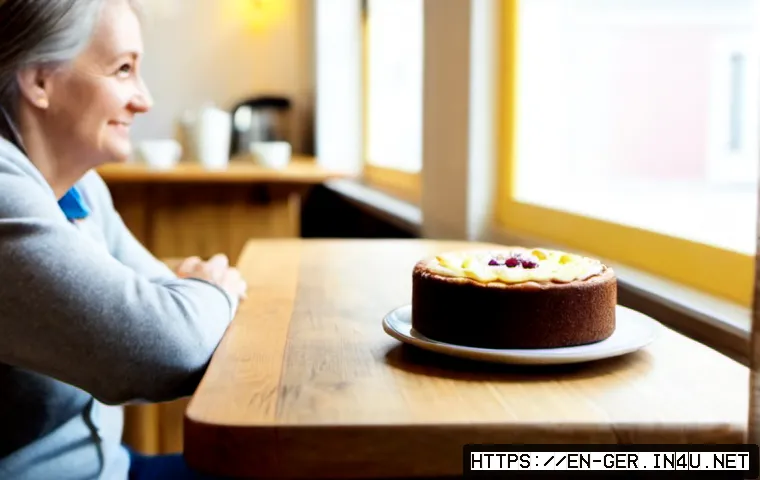
German coffee culture is best understood as a relaxed daily habit: choose a traditional café for coffee and cake, a bakery café for a quick stop, or a specialty roaster for carefully prepared beans.
The key tradition is Kaffee und Kuchen , an afternoon pause built around coffee and a slice of cake or pastry. Coffee is common at home, at work, and in cafés, so there is no single “correct” German coffee experience.
Travelers who want atmosphere may prefer a historic café, while home brewers may find German-style filter coffee more relevant than espresso. Café prices, service styles, and menus vary by city and venue, making a quick comparison useful before choosing.
Check current menus, opening hours, and reservation policies when visiting popular areas.
At a Glance
- For a quick coffee: a bakery café is often the most practical choice.
- For cake and local atmosphere: choose a traditional café for Kaffee und Kuchen.
- For premium brewing: visit a specialty coffee shop and review its current bean and brew options.
| Café type | Typical focus | Service style | Best value when |
|---|---|---|---|
| Traditional café | Coffee, cakes, tortes, pastries, a slower sit-down visit | Table service is common | You want atmosphere, cake selection, or a historic setting |
| Bakery café | Pastries, cakes, bread items, everyday coffee | Often counter ordering | You need a simple stop with food and coffee in one place |
| Specialty coffee shop | Espresso drinks, filter brews, and coffee sourcing or roasting details | Often counter ordering | You care most about beans, preparation, and brewing quality |
What Defines Everyday Coffee Life in Germany?
German coffee culture is not limited to one drink or one type of venue. Coffee is widely consumed and fits into ordinary routines at home, work, and cafés. A visitor may see people lingering over a cake in one neighborhood and picking up coffee from a bakery in another.
Coffee as a daily habit rather than a rushed takeaway purchase
Takeaway coffee exists, but a sit-down coffee break remains an important part of café life. This is especially clear when people meet for conversation, pause in the afternoon, or add a slice of cake to the order. If you have time, choosing a table rather than treating the café as a quick transaction gives a fuller sense of the tradition.
Why cafés, bakeries, and home brewing all play different roles
A traditional café can be a destination for cake and a relaxed table service experience. A bakery café is often better suited to a practical stop for coffee and baked goods. At home, filter coffee has a long-standing place, while espresso-based drinks and specialty coffee are also available in many cities.
Three quick takeaways for first-time visitors
- Do not assume every café operates the same way; service customs can differ by venue.
- For a classic cultural experience, pair coffee with cake rather than ordering only a drink.
- For serious coffee drinking, look at the current menu for bean, roast, and filter-brewing information.
Kaffee und Kuchen: The Afternoon Ritual Behind the Café Experience
Kaffee und Kuchen means coffee and cake. It refers to the social tradition of enjoying both together, often in the afternoon. It can be a simple everyday meeting, a family-style pause, or a reason to visit a café known for its baking.
What the tradition means and when people enjoy it
The point is not speed. A coffee-and-cake visit creates time to sit, talk, and choose something from the cake display. The exact timing and style vary by household, city, and café, but the central idea remains a relaxed coffee break with something sweet.
Popular cake and pastry pairings with coffee
German cake culture includes Black Forest cake, cheesecake varieties, fruit cakes, tortes, and yeast-based pastries. A traditional café may offer several choices, including seasonal baked goods. If the cake matters as much as the coffee, inspect the current display and ask what is made in-house or what is available that day rather than assuming a specific item will be on the menu.
How to choose between a classic café and a bakery café
Choose a classic café when you want a broad cake selection, a slower pace, and the possibility of table service. Choose a bakery café when convenience matters more and you want to combine coffee with pastries or other baked food. Neither option is automatically more authentic; they simply serve different parts of everyday coffee life.
Traditional Café, Bakery, or Specialty Roaster: Which Is Best?
The best choice depends on whether your priority is culture, convenience, or coffee quality. A historic room and a carefully plated cake can be worth choosing when the experience itself is the goal. A specialty roaster may be the better fit when you want to compare brewing methods or explore a particular coffee style.
When a historic café is worth the higher bill
A traditional or historic café may be worthwhile when the setting, service, and cake ritual are part of your travel plan. It is a better choice for an unhurried afternoon than for a fast caffeine stop. Since café prices and service charges vary by city and venue, check the menu before ordering if budget is a concern.
When specialty coffee offers better value for serious coffee drinkers
A specialty coffee shop can offer more useful value when you care about preparation details, espresso quality, filter brewing, or current bean choices. Look for clearly stated information about the coffee rather than assuming sourcing standards or roasting methods. If you brew at home, this is also a useful setting for comparing coffee subscriptions, grinders, filters, and brewing equipment by your actual routine.
How to Order Politely and Avoid Common Café Mistakes
The simplest approach is to observe the venue first. Is there a host, table menus, a counter queue, or a cake display that customers choose from before sitting down? This small check prevents most ordering confusion.
Common drink names and what to expect from them
Kaffee generally refers to coffee, while cafés may also list espresso-based drinks and filter options. Menus differ, so it is sensible to read the description instead of relying on a familiar name from another country. At a specialty coffee shop, ask which filter brew or espresso option is currently available if the menu does not make the choice clear.
Table service, counter service, payment, and tipping considerations
Many sit-down cafés use table service. Bakeries and modern coffee shops may ask customers to order at the counter. Payment methods, service practices, and tipping expectations can vary, so check the bill process at the venue rather than assuming a single rule applies everywhere.
Practical checks for menus, allergens, reservations, and opening times
Before settling in, review the current menu for ingredients and allergen information if needed. Check opening hours and whether reservations are needed, particularly on Sundays, public holidays, or in tourist-heavy areas. These details can change by location and season.
Coffee at Home: Why Filter Brewing Still Matters
Filter coffee remains part of German household coffee culture. For many people, it suits a routine where several cups are made and enjoyed without turning every coffee break into an espresso project.
The role of drip coffee in German households
Filter brewing is practical, familiar, and well suited to daily coffee drinking. It exists alongside espresso machines, capsules, and specialty brewing methods rather than being replaced by them. For a home coffee setup, the most useful choice is usually the one that matches how often you brew and how much control you want.
Choosing a filter brewer, grinder, or coffee subscription based on routine
A filter brewer can make sense for regular household coffee. A grinder may be more relevant if you want to adjust your brewing routine around whole beans. A coffee subscription can be useful for people who want recurring deliveries and variety, but review the current roast options, delivery terms, and product details before committing.
When convenience equipment is more useful than café-style espresso gear
If your goal is dependable everyday coffee, convenience may matter more than replicating a café espresso setup. Espresso equipment can be appealing for people who specifically enjoy espresso-based drinks, while filter equipment can be a more natural match for a routine centered on brewed coffee. Compare maintenance needs, preparation style, and your preferred drinks before buying.
Choosing the Right German Coffee Experience
Choose a traditional café if you want coffee, cake, and time to enjoy both. Choose a bakery café if you want a quicker, simpler stop with baked goods. Choose a specialty coffee shop if bean selection, brewing method, or espresso preparation matters most.
Before making a reservation, booking a café tour, or buying coffee gear, check these decision points:
- Do you want a sit-down cultural experience or a quick counter-service visit?
- Is cake selection a main priority, or is coffee quality the main priority?
- Does the venue’s current menu explain drinks, beans, or brewing methods clearly?
- Are opening hours, reservations, and service style suitable for your schedule?
- For home brewing, does the equipment fit your daily volume and preferred drink style?
For current options, compare café tour details, coffee subscription terms, grinders, and brewing equipment on the relevant provider pages before choosing.
Final Thoughts
German coffee culture is broad enough to include an everyday filter coffee at home, a pastry stop at a bakery, and a long afternoon in a classic café. Kaffee und Kuchen is the clearest starting point for visitors because it connects coffee with the country’s strong cake tradition. The best experience is not necessarily the most formal or the most expensive one; it is the venue that matches your time, taste, and reason for visiting.
Useful Things to Know
- Traditional cafés, bakery cafés, and specialty roasters can all be part of a genuine local coffee routine.
- Table service is common in many sit-down cafés, but counter ordering is common in bakeries and modern coffee shops.
- Black Forest cake, cheesecake varieties, fruit cakes, tortes, and yeast-based pastries are examples of German cake traditions.
- A current menu is the best place to confirm drinks, cake availability, ingredients, and coffee details.
Important Notes
Prices, service charges, payment practices, opening hours, reservation needs, and tipping expectations vary by city and individual venue. Do not assume that every café uses the same sourcing standards, roasting methods, or service model. Check current local information directly with the café or provider before planning a visit or purchasing coffee equipment.
Frequently Asked Questions
Q1. What is Kaffee und Kuchen in Germany?
A1. Kaffee und Kuchen is the social tradition of having coffee with cake, often in the afternoon. It is associated with a relaxed café or home gathering rather than a rushed drink break.
Q2. How much should I budget for coffee and cake at a German café?
A2. Prices vary by city, venue type, current menu, and the coffee or cake selected. Review the café’s current menu before ordering, especially at historic venues or in tourist-heavy areas.
Q3. Is Germany better known for filter coffee or espresso drinks?
A3. Filter coffee has a long-standing place in German households, while espresso-based drinks and specialty coffee are also widely available. The better choice depends on your preferred routine and the type of café you visit.