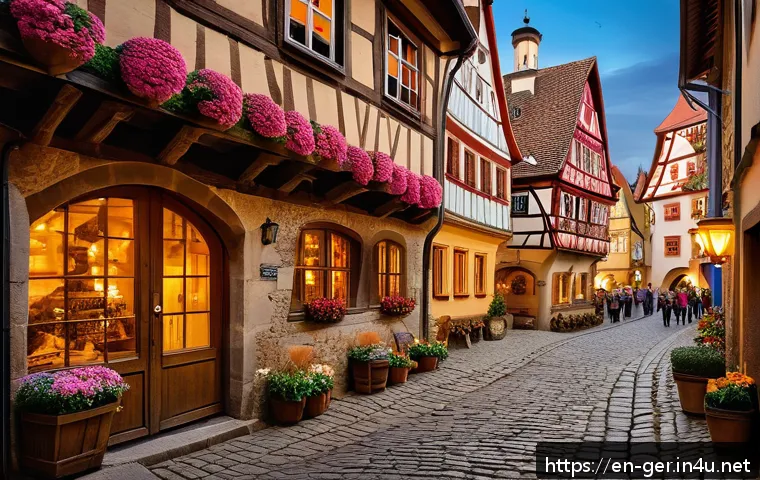
In a world increasingly dominated by mass production, the allure of Germany’s traditional handcrafted treasures feels more precious than ever. Recently, there’s been a growing appreciation for artisanal craftsmanship that carries stories, culture, and generations of expertise.
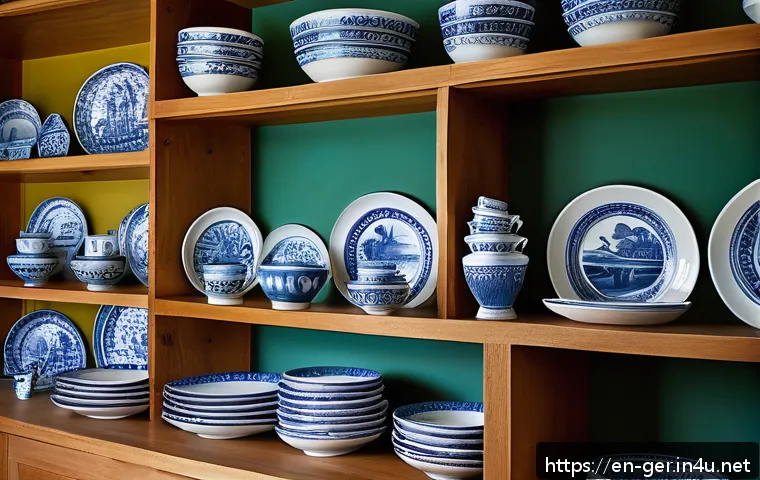
Whether it’s the intricate woodcarvings from the Erzgebirge or the timeless beauty of Bavarian ceramics, these pieces offer a unique connection to heritage and authenticity.
If you’ve ever wondered how old-world skills survive in a modern era, this journey into Germany’s artisanal wonders will inspire and captivate you. Let’s dive into the charm and significance behind these enduring handmade masterpieces.
Timeless Woodcraft Traditions from the Heart of Germany
Rooted in the Erzgebirge Mountains
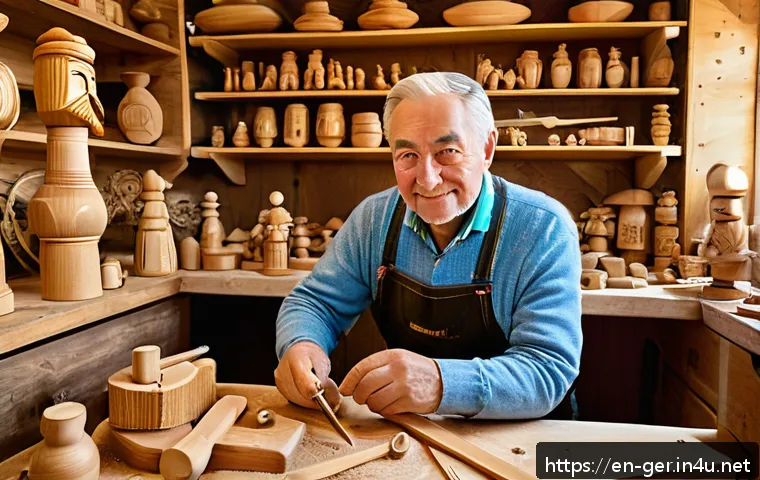
The Erzgebirge region, nestled in eastern Germany, has long been synonymous with exquisite woodcraft. What fascinates me most is how local artisans transform simple blocks of wood into intricate sculptures, often inspired by folklore and nature.
These aren’t just decorations—they’re stories carved with precision and passion, passed down through countless generations. Watching a craftsman meticulously carve a nutcracker or a delicate Christmas pyramid reveals a dedication that feels almost meditative.
This tradition has survived wars, industrial booms, and digital revolutions, proving the resilience of genuine craftsmanship. Each piece reflects not only skill but also a heartfelt connection to the region’s cultural identity.
From Raw Timber to Masterpiece: The Art of Detail
The process begins with selecting the perfect timber, often locally sourced spruce or linden wood, prized for its fine grain and workability. Carvers then sketch their designs, blending age-old motifs with personal creativity.
I’ve seen how artisans patiently chip away at their work, using hand tools that haven’t changed much over centuries. The final touch often includes vivid painting, which breathes life into the figures and scenes.
It’s incredible how these small details—tiny faces, delicate patterns—can evoke such warmth and nostalgia. Buying one of these woodcraft pieces isn’t just a purchase; it’s like adopting a fragment of history and culture into your home.
Why These Crafts Still Matter Today
In an era dominated by fast production and disposable goods, these handcrafted woodworks stand as a gentle protest. They remind us that beauty lies in patience, imperfection, and human touch.
The demand for Erzgebirge woodcraft has actually grown internationally, especially during holiday seasons, as people seek meaningful decorations that tell a story.
From my own experience, gifting one of these treasures carries a unique charm—more personal and thoughtful than mass-produced alternatives. It’s this blend of tradition and emotional value that keeps the craft alive and thriving.
The Ceramic Heritage of Bavaria: More Than Just Pottery
Centuries of Crafting Excellence
Bavarian ceramics are renowned worldwide for their elegance and durability, but what often goes unnoticed is the centuries of expertise behind each piece.
The tradition began in small village workshops where potters honed their skills through trial, error, and innovation. Today, these ceramics continue to be crafted by artisans who combine old techniques with modern aesthetics.
I find it remarkable how each bowl, plate, or figurine carries a signature style that reflects the region’s vibrant culture and landscape. The colors and glazes evoke a sense of warmth and hospitality, common traits in Bavarian lifestyle.
The Complex Process Behind Every Piece
The journey from clay to finished product is far from simple. It starts with carefully preparing the clay to achieve the right consistency. Potters then shape the material either on a wheel or by hand molding, a skill that demands both strength and finesse.
After drying, the piece is fired at high temperatures to harden it. The glazing phase is where true artistry shines—designers paint intricate patterns, sometimes inspired by nature or Bavarian folklore.
This glazing not only decorates but also seals the ceramic, ensuring longevity. From personal visits to workshops, I’ve learned that every step requires patience and deep knowledge, making each item truly unique.
Collecting and Caring for Bavarian Ceramics
For collectors and enthusiasts, these ceramics offer a blend of functional beauty and cultural heritage. I recall a friend who inherited a set of Bavarian plates from her grandmother—each one a testament to family history and regional pride.
Caring for these pieces involves gentle handling and avoiding harsh detergents to preserve the glaze. Displaying them isn’t just about aesthetics; it’s a celebration of craftsmanship that connects present-day admirers with past artisans.
Whether used daily or kept as heirlooms, Bavarian ceramics carry stories that transcend generations.
The Art of Glassmaking in Germany’s Historic Towns
From Bohemia to Bavaria: A Glass Legacy
Germany’s glassmaking tradition, especially in regions bordering the Czech Republic, is a fascinating blend of technical mastery and artistic flair. The centuries-old methods involve blowing, cutting, and engraving glass to create everything from delicate chandeliers to robust beer steins.
I’ve had the chance to tour some of these workshops, and what strikes me is the intense concentration and coordination required—glass is unforgiving, and one mistake can ruin hours of work.
The result, however, is breathtaking. These glass pieces don’t just sparkle; they capture light in ways that feel almost magical, making them prized collectibles worldwide.
Techniques That Have Stood the Test of Time
Traditional glassmakers rely heavily on manual skills rather than machines, which explains the slight variations that make each piece special. Techniques such as “candle cutting” or “engraving” add intricate patterns that shimmer uniquely in every light.
I remember watching an artisan carefully etch floral motifs onto a crystal vase—each stroke deliberate and fluid. These skills require years to perfect and often pass down within families or apprenticeships.
It’s a world where precision meets creativity, and the result is functional art that elevates any space.
Modern Appeal Meets Classic Craft
Today, these glass pieces find their way into both luxury homes and everyday settings. I’ve noticed a trend where contemporary designers collaborate with traditional glassmakers to blend old techniques with new styles, making the craft relevant to modern tastes.
This synergy helps preserve the tradition while expanding its audience. Whether it’s a sleek wine glass or an ornate centerpiece, owning handcrafted German glass feels like owning a piece of living history—something rare and deeply meaningful.
Textile Arts: Weaving Stories Through Fabric
Handwoven Fabrics and Regional Patterns
Germany’s textile traditions are a tapestry of regional styles and techniques, each telling a unique story. From the colorful patterns of Swabian embroidery to the sturdy weaves of Saxon fabrics, these textiles serve both practical and decorative purposes.
When I first encountered a handwoven tablecloth from the Black Forest, I was amazed by the precision and care that went into every thread. Unlike mass-produced textiles, these pieces carry the marks of human hands and the character of their makers, making them cherished family heirlooms.
The Revival of Natural Dyeing Techniques
A fascinating aspect of German textile art is the resurgence of natural dyeing methods. Artisans now use plants, roots, and minerals to create rich, sustainable colors that change subtly over time.
I’ve personally experimented with indigo and walnut dyes, witnessing how each batch produces slightly different shades. This natural variation adds depth and authenticity, making every fabric truly one-of-a-kind.
The eco-friendly approach also resonates with today’s conscious consumers, blending tradition with modern values.
Preserving Skills in a Digital Age
Despite the prevalence of automated textile production, many German craftspeople strive to keep hand-weaving alive. Workshops and festivals dedicated to these arts attract younger generations eager to learn and innovate.
I’ve attended several events where artisans demonstrate their looms and share stories, creating a vibrant community around textile heritage. This human connection is vital, as it ensures that these ancient techniques don’t vanish but instead adapt and flourish in contemporary contexts.
Metalwork Marvels: Precision and Passion in Every Piece
Traditional Blacksmithing and Modern Artistry
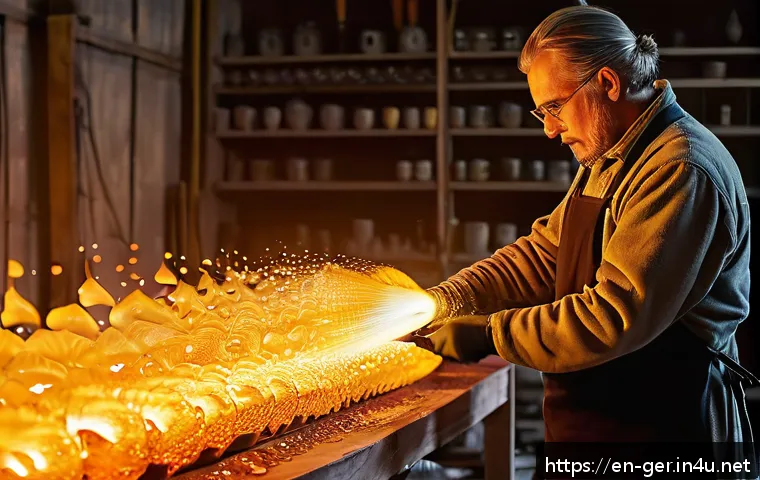
Metalworking in Germany is a fascinating blend of age-old blacksmithing and modern design. Watching a blacksmith hammer glowing iron into shape is like witnessing controlled chaos, where skill and strength merge seamlessly.
The clang of metal on anvil, the sparks flying—it’s a sensory experience that speaks to the craft’s raw energy. From functional tools to decorative gates and sculptures, these metalworks embody durability and artistic expression.
The tradition is alive in small workshops where artisans pour decades of experience into every curve and weld.
The Role of Precision in Fine Metal Crafts
Beyond blacksmithing, German artisans excel in fine metal crafts like filigree jewelry and clockmaking. Precision is paramount here, as tiny components must fit perfectly to function or dazzle aesthetically.
I once visited a clockmaker’s atelier, amazed at how minute gears and springs come together to create timeless mechanisms. This meticulous attention to detail is a hallmark of German metalwork, reflecting a cultural emphasis on reliability and beauty.
Owning such a piece is like owning a marvel of human ingenuity.
From Tradition to Contemporary Design
Many metal artisans today blend traditional techniques with contemporary aesthetics, producing pieces that suit modern interiors while honoring heritage.
I’ve seen striking lighting fixtures and furniture that incorporate forged elements, marrying strength with elegance. This fusion helps keep metalworking relevant and accessible, appealing to both collectors and design enthusiasts.
It’s inspiring to see how passion and precision continue to shape this craft’s evolution.
Comparing German Artisanal Crafts: A Quick Guide
| Craft Type | Typical Materials | Key Techniques | Cultural Significance | Modern Usage |
|---|---|---|---|---|
| Woodcraft (Erzgebirge) | Spruce, Linden Wood | Carving, Hand Painting | Folklore & Holiday Traditions | Decorations, Collectibles |
| Ceramics (Bavaria) | Clay, Glaze | Wheel Throwing, Glazing, Firing | Everyday Use & Heritage | Tableware, Art Pieces |
| Glassmaking | Crystal, Glass | Blowing, Cutting, Engraving | Luxury & Decorative Art | Drinkware, Centerpieces |
| Textiles | Natural Fibers (Wool, Cotton) | Weaving, Natural Dyeing, Embroidery | Regional Identity & Tradition | Home Decor, Fashion |
| Metalwork | Iron, Steel, Precious Metals | Forging, Filigree, Clockmaking | Functional Art & Craftsmanship | Tools, Jewelry, Furniture |
The Role of Family and Apprenticeships in Preserving Skills
Generations of Knowledge Passed Down
One of the most inspiring aspects of German craftsmanship is how families nurture these skills across generations. I’ve met artisans whose great-grandparents started the craft and who now teach their children the same techniques, blending respect for tradition with innovation.
This continuity ensures not only technical expertise but also the preservation of cultural narratives embedded in each craft. It’s a living heritage, where every handcrafted item carries echoes of ancestors’ dedication and love.
The Apprenticeship Model: Learning by Doing
Formal apprenticeships remain a cornerstone of training in many German crafts. Unlike formal schooling, apprentices learn directly from masters in workshops, absorbing not just skills but also values like patience, precision, and pride in one’s work.
From my conversations with several apprentices, it’s clear that this hands-on experience fosters deep respect for the craft and a strong sense of community.
The journey is long and challenging, but the reward is a profound mastery that machines can never replicate.
Community and Festivals as Catalysts for Craft Revival
Craft fairs, festivals, and community events play a vital role in keeping these traditions alive and visible. I’ve attended numerous gatherings where artisans demonstrate their work, share stories, and connect with enthusiasts from around the world.
These events create a vibrant atmosphere that celebrates craftsmanship as a cultural treasure. They also open doors for younger generations to discover and embrace these skills, ensuring that the legacy continues with fresh energy and creativity.
How to Support and Appreciate Authentic German Handicrafts
Seeking Out Genuine Artisans and Workshops
If you’re inspired to bring a piece of German artisanal magic into your life, the best way is to seek out authentic workshops and craftspeople. Avoiding mass-produced imitations can be tricky, but visiting local markets, artisan fairs, or official craft guilds helps ensure authenticity.
From my experience, engaging directly with makers not only guarantees quality but also enriches your appreciation of the story behind each piece. Many artisans are happy to share their process, which makes the purchase feel much more meaningful.
Caring for Your Handcrafted Treasures
Maintaining these delicate works requires attention and respect. For instance, woodcrafts benefit from gentle dusting and occasional polishing with natural oils, while ceramics should be handled carefully to avoid chipping.
Glass pieces often require specific cleaning methods to preserve their sparkle without damage. I’ve learned that investing time in proper care extends the life of these treasures and deepens your bond with them.
It’s a small effort that pays off by keeping the craftsmanship vibrant for years to come.
Sharing Stories to Keep Traditions Alive
Finally, sharing your knowledge and passion for German handicrafts with friends and family helps keep these traditions in the public eye. Whether gifting an artisan piece or simply telling its story, you participate in a cultural dialogue that honors the makers’ legacy.
From personal experience, I’ve found that stories transform objects into cherished heirlooms. They invite curiosity, respect, and admiration—qualities that ensure these timeless crafts will continue to enchant generations ahead.
Conclusion
Exploring Germany’s artisanal crafts reveals a rich tapestry of tradition, skill, and heartfelt dedication. These crafts are more than just objects—they’re living stories connecting past and present. Supporting and appreciating these handmade treasures not only preserves cultural heritage but also brings unique beauty and meaning into our lives. Embracing such artistry enriches both our homes and our understanding of human creativity.
Helpful Information
1. Authentic German crafts often come from family-run workshops with deep-rooted traditions. Visiting these places can provide a genuine experience and quality products.
2. Proper care is essential: woodcrafts need gentle cleaning and natural oils, ceramics require careful handling, and glassware benefits from delicate cleaning methods.
3. When purchasing, look for signs of handmade quality such as slight variations and detailed handiwork that machines can’t replicate.
4. Craft fairs and artisan markets are excellent places to discover unique pieces and meet the makers behind them.
5. Sharing stories about these crafts with others helps keep the traditions alive and fosters appreciation across generations.
Key Takeaways
German artisanal crafts thrive on a blend of heritage, meticulous craftsmanship, and family knowledge passed down through generations. Each craft—whether wood, ceramic, glass, textile, or metalwork—carries cultural significance and demands patience and precision. Supporting authentic artisans and caring for their work ensures these timeless traditions continue to flourish in today’s modern world.
Frequently Asked Questions (FAQ) 📖
Q: uestionsQ1: How do traditional German crafts like Erzgebirge woodcarving maintain their relevance in today’s digital and mass-produced world?
A: These crafts survive by offering something mass production simply can’t—authenticity and a human touch. When I first saw an Erzgebirge woodcarving, I was struck by the warmth and individuality in each piece, qualities that no machine can replicate.
Artisans often pass down their skills through generations, preserving not just techniques but cultural stories. Plus, there’s a growing movement among consumers who value sustainability and uniqueness, which keeps these traditions alive and thriving even amid modern manufacturing.
Q: What makes Bavarian ceramics special compared to other handmade pottery worldwide?
A: From my experience, Bavarian ceramics stand out because of their deep connection to regional history and artistry. The intricate patterns and earthy glazes reflect centuries of local influence, combining both functionality and decoration.
Unlike generic pottery, each Bavarian piece tells a story, often inspired by nature or folklore. I’ve noticed that owning one feels like holding a tangible piece of heritage—something you want to cherish and pass on, not just another item on a shelf.
Q: Are handcrafted German products more expensive, and if so, why should consumers invest in them?
A: Yes, handcrafted German products often come with a higher price tag, but it’s a worthwhile investment. When I bought my first handcrafted wooden toy, I realized I was paying for quality materials, meticulous labor, and the preservation of a centuries-old craft.
These pieces are durable, often becoming family heirlooms, unlike cheaply made mass-produced goods that wear out quickly. Supporting artisans also means supporting local economies and traditions, which adds intangible value beyond the price.