In today’s fast-paced global economy, understanding the nuances of German corporate culture has never been more valuable. As companies worldwide strive for efficiency and innovation, Germany’s reputation for precision and structured workflows stands out.

But beyond rigorous work ethics, a growing emphasis on work-life balance is reshaping the traditional office environment. If you’ve ever wondered how German businesses maintain such high productivity while promoting employee well-being, you’re in the right place.
Let’s dive into the core elements that make German corporate culture uniquely effective and inspiring. This insight will not only enhance your professional approach but also offer fresh perspectives on creating a balanced work atmosphere.
Precision Meets Flexibility: How German Companies Balance Structure and Adaptability
Meticulous Planning as a Cornerstone
German businesses are famously known for their detailed planning and methodical approach. This isn’t just about sticking to schedules rigidly; it’s about creating a clear roadmap that ensures every step is accounted for and optimized.
From project timelines to resource allocation, the level of foresight is impressive. What I’ve noticed personally is that this upfront effort drastically reduces last-minute chaos, making teams feel more confident and focused throughout the workflow.
It’s like having a safety net that empowers employees to execute their tasks without unnecessary stress.
The Role of Clear Communication
One thing that stands out in German workplaces is the emphasis on clear, direct communication. It’s not about being blunt for the sake of it but ensuring that expectations, deadlines, and feedback are transparent.
When I worked with German colleagues, I found their communication style refreshingly straightforward, which helped avoid misunderstandings and saved a lot of back-and-forth emails.
This clarity fosters trust and accountability, making collaboration smoother even in complex projects.
Adapting While Staying Grounded
Despite the reputation for rigidity, many German companies are surprisingly open to adapting processes when necessary. This flexibility is carefully balanced with their structured nature.
I’ve observed that when changes are needed, they are introduced systematically, with thorough analysis and clear guidelines to avoid disrupting the overall flow.
This approach allows innovation without sacrificing reliability, creating a stable yet dynamic work environment.
Respecting Personal Time: The Evolution of Work-Life Balance
Firm Boundaries Outside Office Hours
One of the most refreshing aspects I’ve experienced in German corporate culture is the strong respect for personal time. Unlike some places where after-hours emails and calls are the norm, many German companies strictly discourage work-related communication outside official hours.
This clear boundary helps employees recharge fully and return to work energized, which is probably why productivity remains consistently high without burnout.
Encouraging Vacation and Breaks
Vacation isn’t just a nice-to-have; it’s a well-embedded practice in Germany. Employees often take their full leave entitlement and are encouraged to disconnect completely.
I’ve personally noticed how taking genuine breaks leads to better creativity and focus upon return. This cultural norm not only benefits individuals but also contributes to a healthier workplace overall, where people feel valued and motivated.
Flexible Working Models on the Rise
With the pandemic accelerating changes globally, German companies have embraced flexible working arrangements more than ever. Remote work, flexible hours, and hybrid models are becoming standard rather than exceptions.
From my experience collaborating remotely with German teams, this flexibility doesn’t compromise discipline but rather enhances it by trusting employees to manage their own time responsibly.
Efficiency Through Teamwork and Individual Responsibility
Collaborative Problem-Solving
German work culture encourages collaboration but with a clear sense of individual responsibility. Teams work closely to solve problems, pooling expertise and perspectives, yet every member is accountable for their contributions.
I found this balance very empowering, as it fosters a supportive environment without diluting personal ownership. It’s a system that pushes people to do their best while benefiting from collective wisdom.
Structured Meetings with Purpose
Meetings in German companies are typically well-structured and purposeful, avoiding unnecessary detours. I’ve noticed that agendas are shared in advance, and discussions stick strictly to relevant topics.
This disciplined approach respects everyone’s time and often results in actionable outcomes, making meetings feel efficient rather than draining.
Continuous Improvement Mindset
There’s a strong culture of continuous improvement embedded in many German workplaces. Regular feedback loops, process evaluations, and training sessions are common.
From what I’ve seen, this mindset keeps teams motivated and competitive, as employees are encouraged to develop their skills and contribute ideas for better workflows.
Quality as a Non-Negotiable Standard
Commitment to Excellence
German companies hold quality as a fundamental value that permeates every level of work. This commitment isn’t just about meeting standards but often exceeding them.
I experienced firsthand how this dedication to excellence drives meticulous attention to detail and a refusal to cut corners, which builds a strong reputation globally.
Robust Quality Control Processes
To maintain high standards, comprehensive quality control mechanisms are in place. These processes are systematic and continuous, ensuring that products and services consistently meet stringent criteria.
This rigorous approach reassures clients and partners, fostering long-term trust and loyalty.
Investing in Skilled Workforce
Quality also stems from investing in highly skilled professionals through apprenticeships, certifications, and ongoing education. I noticed that German companies often prioritize employee development, which not only improves output quality but also boosts morale and retention.
Table: Key Elements of German Corporate Culture Compared to Other Global Practices
| Aspect | German Approach | Common Global Approach |
|---|---|---|
| Planning | Detailed, long-term oriented, minimizing last-minute changes | Often flexible, sometimes reactive to changes |
| Communication | Clear, direct, transparent | Varies; can be indirect or overly diplomatic |
| Work-Life Balance | Strict boundaries, full respect for personal time | Blurring of work and personal life common |
| Meeting Style | Structured, agenda-driven, time-efficient | Can be informal and lengthy |
| Quality Focus | High non-negotiable standards, continuous improvement | Varies; sometimes quality is sacrificed for speed |
The Role of Leadership in Shaping Culture
Leading by Example
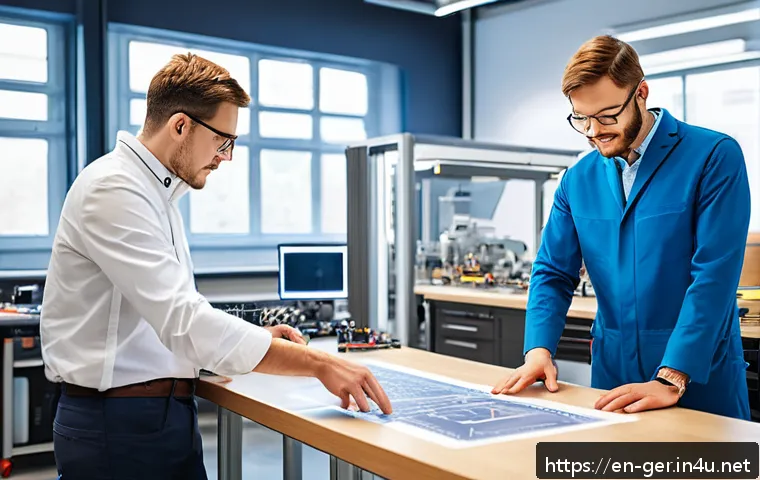
Leadership in German companies often embodies the cultural values they promote. Leaders tend to lead by example, demonstrating punctuality, precision, and respect for boundaries.
When I interacted with managers in Germany, their behavior set a tone that naturally encouraged the team to follow suit, creating a cohesive and disciplined environment.
Encouraging Employee Autonomy
Although hierarchical structures exist, German leaders typically empower their employees to take initiative and make decisions within their scope. This trust fosters a sense of ownership and motivates employees to perform at their best.
From my experience, this autonomy combined with clear expectations produces highly engaged teams.
Transparent Decision-Making
Transparency is key in leadership communication. Decisions, especially those affecting the team, are often explained thoroughly to ensure understanding and buy-in.
This practice builds trust and reduces resistance to change, which I found crucial in maintaining morale during transitions.
Innovating Within Tradition
Blending Heritage with Modernity
German companies are masters at blending their rich industrial heritage with cutting-edge innovation. They respect tried-and-true methods while embracing new technologies.
I’ve seen this balance in sectors like automotive and engineering, where tradition meets digital transformation seamlessly.
Investing in Research and Development
Heavy investment in R&D is a hallmark of German enterprises. This commitment supports continuous innovation and keeps companies competitive globally. During collaborative projects, I noticed how R&D teams are well-funded and closely integrated with production and marketing departments.
Fostering a Culture of Experimentation
While traditionally risk-averse, many German firms now encourage calculated experimentation. Pilot projects and incremental innovation are common strategies.
This cautious but open mindset reduces fear of failure and promotes steady progress.
Commitment to Sustainability and Social Responsibility
Environmental Awareness in Operations
Sustainability is deeply embedded in German corporate policies. From energy-efficient manufacturing to waste reduction, companies actively pursue greener operations.
I was impressed by how sustainability isn’t just a PR angle but a genuine operational priority.
Supporting Communities and Employees
Social responsibility extends beyond the environment to supporting communities and employee welfare. Programs for diversity, inclusion, and social engagement are widespread.
Personally, I found that these initiatives create a sense of purpose and belonging among employees.
Long-Term Vision for Ethical Business
German companies often take a long-term ethical perspective, valuing integrity and fairness in business dealings. This approach builds enduring partnerships and customer loyalty, which I’ve seen pay off consistently over time.
Conclusion
German companies skillfully blend precision with adaptability, creating a work culture that values both structure and innovation. Their strong commitment to work-life balance and quality standards sets them apart globally. Through clear communication and empowered leadership, they foster environments where employees thrive and continuous improvement is the norm. This balanced approach serves as a model for sustainable success in today’s dynamic business world.
Useful Insights
1. Meticulous planning reduces workplace stress and boosts team confidence by providing clear roadmaps for projects.
2. Direct and transparent communication minimizes misunderstandings and enhances collaboration across teams.
3. Respecting personal time and encouraging genuine breaks improves overall productivity and employee well-being.
4. Combining teamwork with individual accountability fosters empowerment while maintaining high standards.
5. Investing in innovation and sustainability ensures long-term competitiveness and ethical business practices.
Key Takeaways
German corporate culture thrives on a foundation of detailed planning and transparent communication, which together minimize chaos and build trust. Their respect for personal boundaries supports a healthy work-life balance, while leadership encourages autonomy and clear decision-making. Embracing both tradition and innovation, German companies prioritize quality and sustainability, creating resilient businesses that inspire global admiration.
Frequently Asked Questions (FAQ) 📖
Q: uestionsQ1: How do German companies balance high productivity with employee well-being?
A: German companies achieve this balance by combining structured, efficient workflows with a strong commitment to work-life balance. They emphasize clear boundaries between work and personal time, often strictly adhering to working hours and encouraging employees to take regular breaks and vacations.
This approach helps maintain focus during work hours while reducing burnout, ultimately boosting overall productivity and job satisfaction.
Q: What role does precision and structure play in German corporate culture?
A: Precision and structure are foundational to German corporate culture. Detailed planning, clear processes, and well-defined roles ensure that tasks are completed accurately and on time.
This systematic approach minimizes errors and streamlines collaboration, fostering an environment where innovation can thrive without sacrificing quality or reliability.
Q: Has the traditional German work ethic changed in recent years?
A: Yes, while the traditional German work ethic still values diligence and responsibility, there is a noticeable shift toward promoting employee well-being.
Modern German workplaces increasingly recognize the importance of flexibility, mental health, and work-life integration. This evolution reflects a broader global trend but remains rooted in Germany’s cultural emphasis on efficiency and respect for personal time.