Weddings are a beautiful blend of culture, emotion, and tradition, and German ceremonies offer a fascinating glimpse into this timeless celebration. As more couples seek unique and meaningful ways to honor their love, exploring the rich customs of German weddings becomes all the more intriguing.
From heartfelt rituals to lively festivities, these traditions reveal a deep connection to heritage and community. Whether you’re planning your own wedding or simply love discovering global customs, understanding these practices can inspire and delight.
Let’s dive into the captivating world of German wedding traditions that continue to enchant couples today.
The Joyful Kickoff: Unique German Wedding Welcomes
Breaking the Saw: A Symbol of Teamwork
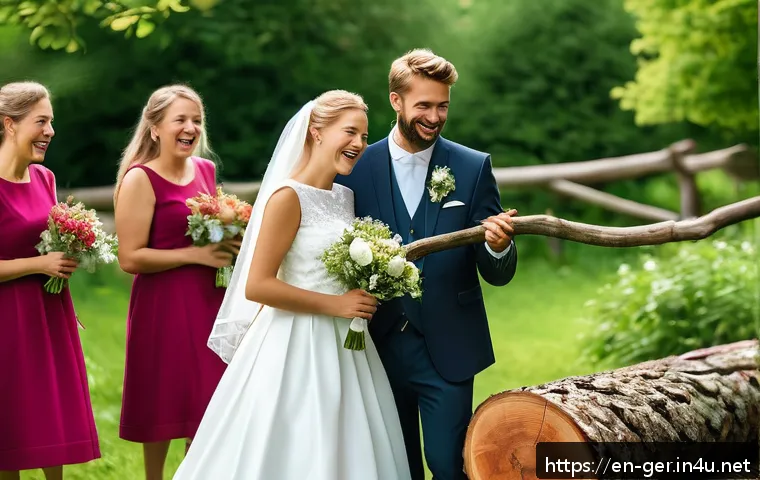
One of the most memorable moments at a German wedding is the “Baumstamm sägen,” or log sawing ceremony. Right after the ceremony, the newlyweds work together to saw through a log with a large two-person saw.
This tradition isn’t just for show—it symbolizes the couple’s first challenge as a team, showcasing their cooperation and mutual support. Watching the bride and groom stumble, laugh, and encourage each other as they saw is heartwarming and often hilarious.
It’s a vivid reminder that marriage takes effort, patience, and teamwork from day one.
Car Decoration and the Joyful Ride
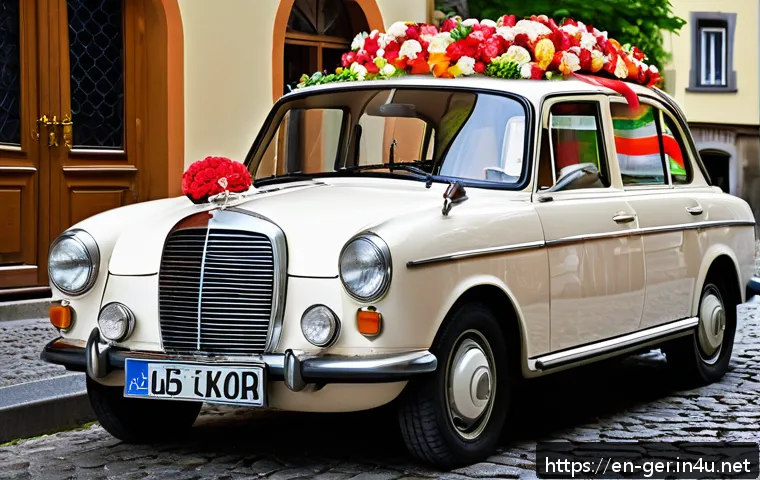
In Germany, decorating the wedding car is a big deal, often involving ribbons, flowers, and even signs that announce the couple’s new journey. Friends and family take part in this creative task, sometimes going all out with handmade decorations.
The car becomes a moving celebration, drawing smiles and congratulations from passersby. This tradition adds a personal touch and sets a festive tone for the day ahead.
The Wedding March with a Twist
While many weddings feature the classic march down the aisle, German ceremonies often add their own flair. Sometimes, the couple will walk down to traditional folk music or even have guests sing along.
This personalizes the moment, turning it into a shared experience that feels less formal and more joyful. It’s these little twists that make German weddings feel genuine and full of life.
Customs That Bind: Meaningful Rituals in German Weddings
Polterabend: The Night of Noise and Good Luck
Before the big day, Germans celebrate “Polterabend,” a lively pre-wedding party where guests smash porcelain and ceramics to bring good luck. It’s noisy, chaotic, and incredibly fun, symbolizing the breaking away from the past and warding off evil spirits.
What I found charming is how this event brings the community together in a relaxed atmosphere, allowing everyone to share in the excitement and anticipation.
Unity Candle or Sand Ceremony: Blending Two Lives
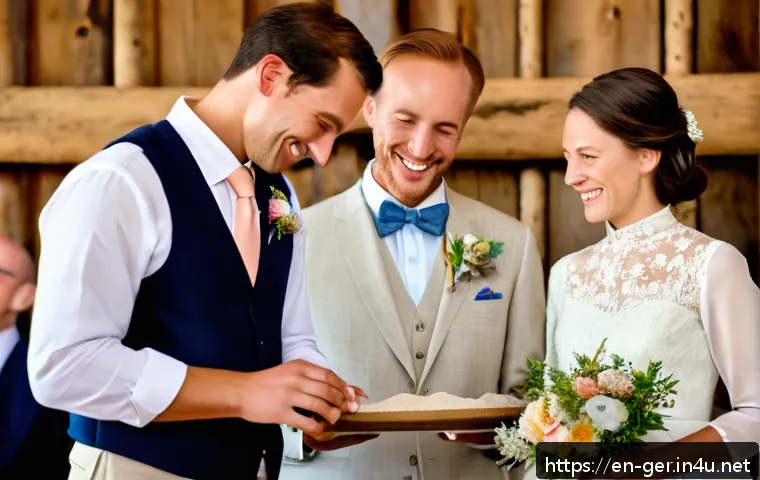
Some couples incorporate symbolic rituals like lighting a unity candle or pouring colored sand together. Though not originally German, these customs have found a warm place in modern weddings, representing the merging of two families and lives.
Experiencing this firsthand felt deeply moving—it’s a simple yet powerful visual of commitment.
Wedding Rings with Special Meaning
German wedding rings often bear inscriptions or unique designs reflecting the couple’s bond. Beyond the ring exchange, there’s an emphasis on the rings as lifelong symbols.
Some couples even choose to engrave personal messages or dates inside the bands. These small details make the ceremony feel intimate and tailored, showing that every element carries meaning.
Feasting and Festivities: Celebrating with Food and Dance
Traditional Dishes on the Menu
German wedding feasts tend to showcase rich, hearty dishes that celebrate local flavors. Expect to find specialties like Sauerbraten (marinated pot roast), various sausages, potato salad, and an array of breads and cheeses.
What stood out to me was how the food acts as a bridge—connecting guests to the culture and to each other through shared tastes and stories. The meal is often a long, leisurely affair, giving everyone time to relax and enjoy.
The Dance Floor Comes Alive
Dancing is central to German weddings, with the first dance being a highlight. But it doesn’t stop there—traditional folk dances or group dances often follow, encouraging even shy guests to join in.
The energy is infectious, and I noticed how the dance floor becomes a melting pot of generations and personalities, all united by celebration. This lively spirit makes the event unforgettable.
Sweet Traditions: Wedding Cakes and Desserts
The wedding cake in Germany can be quite an elaborate affair, sometimes featuring multiple tiers and intricate decorations. Often, couples choose a fruitcake or a marzipan-covered cake, which reflects local tastes.
Cutting the cake together symbolizes the couple’s shared future, and the dessert table usually offers a variety of sweets to delight guests. I’ve seen how this moment is both a treat and a photo highlight, blending tradition with joy.
Community and Connection: The Social Fabric of German Weddings
Role of the Wedding Witnesses
In German weddings, the “Trauzeugen” or wedding witnesses play an essential role beyond just signing papers. They often organize pre-wedding events and help keep the celebration lively.
Their involvement embodies trust and friendship, providing a support system that strengthens the couple’s journey. I’ve noticed how having close friends actively participate adds warmth and depth to the ceremony.
Group Games and Surprises
Many weddings feature playful games or surprise performances arranged by family and friends. These moments create laughter and break the ice among guests who might not know each other well.
From humorous quizzes about the couple to impromptu skits, these activities foster connection and unforgettable memories. Experiencing this, I felt the strong sense of community that underpins the entire celebration.
Gift-Giving Customs and Expectations
Gift-giving in German weddings often leans towards practical and thoughtful presents, sometimes guided by a wedding registry. Cash gifts are common too, usually collected in creative ways like a decorated money box or a communal envelope.
The emphasis is on supporting the couple as they start their new life together. This approach felt refreshingly straightforward and considerate, minimizing stress while maximizing generosity.
Symbolism in Attire: Dressing the Part with Meaning
Traditional Dresses and Regional Styles
While many couples opt for modern wedding attire, some embrace traditional regional costumes such as the Dirndl or Tracht. Wearing these outfits connects the couple to their heritage and adds a splash of color and authenticity.
I found it fascinating how these garments carry stories and history, making the wedding feel like a living cultural tapestry.
The Significance of the Bridal Veil and Bouquet
In German weddings, the bridal veil is not just a fashion statement but a symbol of purity and new beginnings. The bouquet, often composed of seasonal flowers, is carefully chosen for its meaning—like rosemary for remembrance or myrtle for love.
Tossing the bouquet to the guests is a lively moment, filled with anticipation and fun. These small details enrich the ceremony with layers of significance.
Groom’s Attire and Accessories
The groom’s outfit often includes subtle nods to tradition, such as a boutonnière made from meaningful flowers or a family heirloom accessory. Some grooms choose to wear a waistcoat or tie that matches the bride’s bouquet colors, symbolizing unity.
I noticed how these thoughtful touches personalize the look without overwhelming it, striking a perfect balance between elegance and sentiment.
Legacy and Modernity: How German Weddings Evolve
Blending Old Traditions with Contemporary Trends
Modern German weddings often blend cherished traditions with contemporary elements. For example, couples might use digital invitations alongside traditional ones or incorporate multicultural music into the reception.
This fusion respects heritage while embracing today’s diverse tastes. From what I’ve seen, this balance keeps weddings fresh and meaningful, appealing to both older and younger generations.
Eco-Friendly and Personalized Celebrations
Sustainability is becoming increasingly important, and many couples choose eco-friendly decorations, locally sourced food, and reusable invitations. Personalizing every aspect—from vows to favors—reflects the couple’s values and story.
I’ve attended weddings where these conscious choices created a warm, authentic atmosphere that guests truly appreciated.
Technology’s Role in Sharing the Joy
Live streaming and social media have transformed how weddings are shared. German couples often set up live feeds for friends and family who can’t attend, ensuring everyone feels included.
Some also create wedding hashtags or online photo albums to keep memories alive. This tech-savvy approach adds a modern layer to tradition, making celebrations accessible beyond physical boundaries.
Summary of Key German Wedding Traditions
| Tradition | Description | Symbolism |
|---|---|---|
| Baumstamm sägen (Log Sawing) | The couple saws through a log together immediately after the ceremony. | Teamwork and overcoming challenges in marriage. |
| Polterabend | Pre-wedding party involving breaking porcelain for good luck. | Breaking from the past and warding off evil spirits. |
| Wedding Car Decoration | Friends and family decorate the car with ribbons, flowers, and signs. | Celebration of the couple’s new journey. |
| Unity Rituals (Candle/Sand) | Couple lights a candle or pours sand to symbolize unity. | Merging of two lives and families. |
| Traditional Feast | Hearty regional dishes served during the wedding meal. | Connection through culture and community. |
| Trauzeugen (Wedding Witnesses) | Close friends act as witnesses and organize celebrations. | Trust, friendship, and support. |
| Traditional Attire | Use of Dirndl, Tracht, or symbolic bridal and groom accessories. | Heritage and cultural identity. |
In Conclusion
German wedding traditions beautifully blend meaningful symbolism with lively celebration, creating unforgettable experiences for couples and their guests. These customs highlight teamwork, community, and cultural heritage while embracing modern touches. Witnessing such heartfelt rituals reminds us how weddings are not just about two people but the bonds that unite families and friends. It’s a joyful journey full of love, laughter, and shared memories.
Helpful Information to Remember
1. The log sawing ceremony is a fun way to symbolize teamwork and the challenges couples will face together.
2. Polterabend involves breaking porcelain to bring good luck and create a lively, communal atmosphere.
3. Wedding car decorations add a festive and personal flair to the couple’s departure.
4. Traditional foods at German weddings connect guests through shared culture and create a relaxed dining experience.
5. Wedding witnesses (Trauzeugen) play an important role in supporting the couple and keeping celebrations vibrant.
Key Takeaways
German weddings are rich in symbolism and community involvement, emphasizing partnership, heritage, and shared joy. From the playful log sawing to the heartfelt unity rituals, every tradition carries meaning that strengthens the couple’s bond. The blend of time-honored customs with modern elements creates a warm, inclusive, and memorable celebration that honors both past and present.
Frequently Asked Questions (FAQ) 📖
Q: What are some unique rituals commonly seen in German wedding ceremonies?
A: German weddings are rich with unique rituals that beautifully blend symbolism and fun. One beloved tradition is the “Polterabend,” held the night before the wedding, where guests break porcelain to bring good luck to the couple—shards are carefully cleaned up together, symbolizing teamwork.
Another heartfelt ritual is the tree planting, where newlyweds plant a tree to signify growth and stability in their marriage. These customs not only honor heritage but also involve friends and family in meaningful ways, creating lasting memories.
Q: How do German wedding celebrations typically differ from those in other Western countries?
A: German weddings often emphasize a strong sense of community and playful customs that might surprise those used to more formal celebrations. For example, the “Baumstamm sägen” (sawing the log) challenges the couple to work together immediately after the ceremony, symbolizing cooperation in marriage.
The festivities usually last well into the night with lively music, dancing, and traditional foods like sausages and pretzels. Unlike some Western weddings that focus heavily on the ceremony itself, German weddings balance solemn moments with joyful, interactive activities that engage everyone present.
Q: Can modern German couples customize traditional wedding customs to fit their personal style?
A: Absolutely! While many German couples cherish their cultural traditions, there’s a growing trend toward personalization. Couples often blend classic rituals with contemporary touches to reflect their unique love story.
For instance, some might keep the Polterabend but add modern music or a themed party vibe. Others may incorporate international elements or scale down the event for a more intimate feel.
What’s most important is that the customs feel authentic and meaningful, allowing couples to honor their heritage while celebrating in a way that resonates personally.