Germany, the land of precision engineering and iconic automobiles, is quietly but confidently carving out a new identity: a dynamic powerhouse for groundbreaking startups!
You might think of it as a place steeped in tradition, but let me tell you, if you’re not paying attention to what’s happening in Berlin, Munich, or even emerging hotspots like Dresden, you’re missing out big time.
From what I’ve seen and researched, this isn’t just about fleeting trends; we’re talking about a serious, sustained surge in innovation, especially in exciting areas like AI, sustainable tech, and B2B solutions that are genuinely reshaping industries.
It’s been incredible to watch how German entrepreneurs are tackling global challenges, proving that even in uncertain economic times, true ingenuity shines through.
The energy is palpable, and the future looks incredibly bright for those who dare to build. Ready to discover why everyone’s buzzing about Deutschland’s entrepreneurial spirit?
Let’s dive deeper and uncover all the incredible details together.
The Magnetic Pull of Berlin and Beyond
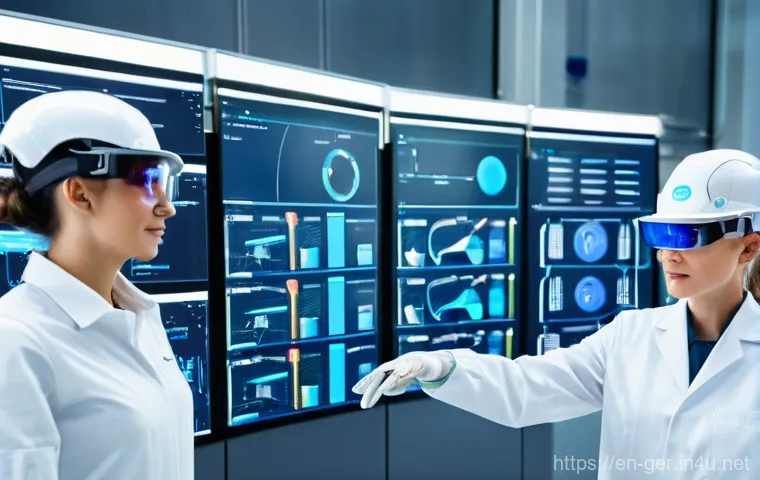
Okay, so let’s get real for a minute. When I first started looking into Germany’s startup scene a few years back, I’ll admit, my mind immediately jumped to Berlin. And honestly, for good reason! It’s still this incredibly vibrant, almost bohemian melting pot where creativity just bursts at the seams. I’ve personally spent some time walking through Kreuzberg and Mitte, and the energy from the co-working spaces and tiny, bustling cafes is absolutely contagious. It feels like everyone is on the cusp of building the next big thing, and there’s a real sense of camaraderie, even among competitors. What truly struck me was the sheer diversity of ideas, from fintech disruptors shaking up traditional banking to quirky gaming studios that feel straight out of a dream. Berlin has mastered the art of attracting international talent, which really supercharges its innovative spirit and makes it a global contender. It’s a city that embraces risk and rewards boldness, making it an irresistible magnet for founders looking to make a mark.
Beyond the Capital: Munich’s Tech Prowess
But here’s the thing many people miss if they only focus on Berlin: Germany isn’t a one-trick pony. Munich, for instance, offers a completely different, yet equally compelling, narrative. I recently had a chance to visit some tech parks there, and what an eye-opener! While Berlin thrives on its artsy, experimental vibe, Munich is all about deep tech, engineering excellence, and some serious B2B innovation. Think AI, robotics, and industrial automation – the kind of stuff that really changes how businesses operate on a fundamental level. Its proximity to major automotive and industrial players means startups often have immediate access to potential clients and valuable industry insights, creating a more structured, yet incredibly powerful, ecosystem. I remember thinking how the precision and quality Germany is famous for in its manufacturing is now being brilliantly channeled into its tech startups in Bavaria. It feels more established, more corporate in some ways, but with an underlying drive for groundbreaking innovation that’s truly impressive.
Dresden and the Hidden Gems
And then there are the emerging hotspots, places you might not immediately think of, but are absolutely worth watching. Dresden, for example, is quietly but confidently establishing itself as a microelectronics and semiconductor hub. I’ve heard whispers from founders who chose Dresden for its strong academic ties and specialist talent pools, particularly in fields that require highly specific engineering know-how. It’s not about the sheer volume of startups you see in Berlin, but the incredibly high quality and specialization of those that *do* exist. It’s like discovering a hidden gem; these cities are cultivating niche ecosystems that might not grab mainstream headlines but are doing profoundly important work. From my perspective, these regional centers are adding a crucial layer of resilience and diversity to Germany’s overall startup landscape, proving that innovation isn’t just confined to the well-trodden paths.
Niche Innovations: Where Germany Truly Shines
One of the most fascinating aspects of the German startup scene, in my honest opinion, is its incredible ability to zero in on specialized niches and absolutely dominate them. It’s not about doing everything; it’s about doing a few things exceptionally well, which really resonates with the German ethos of quality and precision. I’ve seen countless examples of startups that aren’t chasing the latest consumer app craze, but instead are tackling complex, often industrial-scale problems with incredibly sophisticated solutions. This dedication to depth over breadth means that when a German startup enters a specific market, they often bring a level of expertise and a thoroughly thought-out product that immediately sets them apart. It’s this deep understanding of intricate challenges, whether in manufacturing, healthcare, or energy, that gives them a significant edge and frankly, makes their potential for long-term impact so much greater. I often feel like I’m witnessing the future of industry being built, piece by intricate piece, right before my eyes.
AI for Industrial Revolution 4.0
Artificial Intelligence in Germany isn’t just about chatbots or facial recognition; it’s heavily geared towards the industrial sector, pushing the boundaries of what’s possible in manufacturing and logistics. I’ve visited facilities where AI is being used to predict machinery failures with uncanny accuracy, optimizing maintenance schedules and dramatically reducing downtime. This isn’t theoretical; these are tangible, real-world applications that save companies millions. I remember one founder telling me how their AI system could analyze sensor data from a factory floor and flag potential issues days before they’d even be noticeable to human operators. It’s about smart factories, automated quality control, and intelligent supply chains. For me, it highlights how German entrepreneurs are leveraging their engineering heritage to apply cutting-edge AI where it can make the most profound economic difference, creating a true Industry 4.0 revolution. This focus on practical, impactful AI solutions is a key differentiator and a huge draw for investors looking for tangible returns.
Sustainable Tech and Green Solutions
If there’s one area where Germany feels like it’s truly leading the charge, it’s in sustainable technology. The commitment to environmental responsibility here isn’t just talk; it’s deeply ingrained in the entrepreneurial spirit. I’ve been incredibly impressed by the sheer volume of startups dedicated to renewable energy solutions, circular economy models, and sustainable agriculture. From companies developing innovative ways to recycle industrial waste into new materials to those creating hyper-efficient solar technologies, the push for a greener future is palpable. What I find particularly exciting is how these startups are often integrating advanced tech, like AI and IoT, into their sustainable solutions, making them not just eco-friendly but also economically viable. It’s a fantastic synergy that proves you don’t have to sacrifice profitability for planetary well-being. This sector offers incredible opportunities, and I honestly believe that some of the most impactful solutions to climate change are going to emerge from these German green tech pioneers.
Funding Frenzy: What’s Driving Investor Confidence?
You know, for a country often perceived as fiscally conservative, Germany’s startup funding landscape has been anything but. It’s been absolutely buzzing with activity, and frankly, it’s exciting to watch. I’ve seen a clear shift over the past few years, with both domestic and international investors pouring significant capital into promising German ventures. What I’ve gathered from conversations with VCs and founders alike is that there’s a growing recognition of the deep technical expertise and market potential these startups possess. It’s not just about flashy ideas; it’s about robust business models, solid engineering, and scalable solutions. This isn’t a speculative bubble; it feels like a genuine, sustained belief in the underlying quality and long-term viability of what’s being built here. I think the maturation of the ecosystem plays a huge role; there are more experienced founders, more successful exits, and a clearer path to growth, which naturally instills greater confidence in those holding the purse strings.
Record-Breaking Investment Rounds
Just looking at the numbers from the past few years, it’s undeniable: German startups are attracting serious cash. I’ve tracked numerous record-breaking funding rounds across various sectors, from mobility to health tech, and it’s not just early-stage seed money. We’re talking about substantial Series B, C, and even later-stage investments that indicate significant growth potential and investor commitment. This influx of capital isn’t just good for the individual startups; it fuels the entire ecosystem. It allows companies to scale faster, hire top talent, and accelerate their R&D, which in turn attracts even more investor interest. I’ve heard stories from founders who were initially worried about attracting sufficient capital but found themselves oversubscribed, a clear indicator of the strong appetite for German innovation. It’s a virtuous cycle, and honestly, it feels like the momentum is only building.
The Rise of Corporate Venturing and Strategic Partnerships
Another fascinating trend I’ve observed is the increasing involvement of established German corporations in the startup scene, often through corporate venturing arms or strategic partnerships. This is a game-changer! Imagine a young startup getting not just funding, but also access to the immense resources, industry knowledge, and global networks of a seasoned corporate giant. It’s a win-win: startups gain invaluable mentorship and market entry, while corporations get a front-row seat to cutting-edge innovation and often, a pipeline for future acquisitions or new business lines. I’ve seen this play out particularly strongly in sectors like automotive and industrial tech, where the synergy between incumbents and agile startups is incredibly powerful. This collaborative approach, I believe, adds a layer of stability and strategic depth to the funding landscape that you don’t always see in other regions. It certainly speaks volumes about the credibility and perceived value of German startups when big players are willing to invest so heavily in their success.
Government Support and Ecosystem Builders
When you look at the successful growth of any startup ecosystem, it’s rarely just about the entrepreneurs themselves. Strong foundational support from the government and dedicated ecosystem builders is absolutely crucial, and Germany has really stepped up its game here. I’ve spoken with many founders who credit various governmental initiatives and local programs for giving them the initial boost they needed. This isn’t about handouts; it’s about creating an environment where innovation can flourish, risks can be managed, and promising ideas can find the resources to take flight. It’s a testament to a forward-thinking approach, recognizing that nurturing a vibrant startup scene is essential for long-term economic prosperity and global competitiveness. From my perspective, this structured support differentiates Germany from many other countries, offering a more stable and predictable path for new ventures.
Startup Grants and Funding Programs
One area where government involvement is particularly impactful is through a range of grants and funding programs designed specifically for startups. I’ve seen how programs like the EXIST startup grant, for instance, can provide crucial seed funding to university spin-offs, allowing brilliant research to transition into viable commercial products. These grants often come with mentorship and support services, guiding fledgling companies through the often-daunting early stages. It’s not just about the money; it’s about the stamp of approval and the confidence it instills in both the founders and subsequent private investors. I remember one founder telling me how an initial government grant allowed them to develop their prototype to a point where they could then attract a significant angel investment. These initiatives essentially de-risk the very earliest stages of a startup’s journey, making it a much more attractive proposition for innovators with bold ideas but limited initial capital. It really shows a strategic investment in the future.
Incubators, Accelerators, and Networking Events
Beyond direct funding, the infrastructure of incubators and accelerators in Germany has truly matured, offering invaluable resources and communities for emerging businesses. I’ve had the chance to visit several, and what struck me was the level of hands-on support, from legal advice and pitch training to connecting founders with potential customers and investors. These programs aren’t just spaces; they are intense learning environments designed to compress years of entrepreneurial wisdom into months. Moreover, the sheer number of networking events, conferences, and meetups happening across cities like Berlin, Munich, and Hamburg is incredible. These aren’t just superficial gatherings; they are fertile grounds for collaboration, knowledge exchange, and forging critical partnerships. I’ve personally witnessed ideas spark and teams form over a simple coffee at one of these events. It’s this vibrant, interconnected web of support that helps transform individual ambitions into collective successes, truly embodying the spirit of a collaborative ecosystem.
Talent Tides: Attracting the Best and Brightest
Let’s be honest, no matter how brilliant an idea is, it’s the people behind it that truly make it fly. And Germany, to its credit, has become a magnet for some seriously impressive talent, both homegrown and international. I’ve had so many conversations with founders who emphasize that access to skilled engineers, developers, and creative minds is a huge reason they chose to build their companies here. There’s a deep-seated tradition of excellence in education and vocational training that feeds a steady stream of highly competent professionals into the workforce. But it’s not just about technical skills; there’s a strong work ethic and a commitment to quality that permeates the professional culture, which, as I’ve learned, is invaluable for scaling a startup. I always feel like there’s a serious drive for perfection in the way things are built and executed, and that’s a quality you simply can’t fake.
Global Appeal and Diverse Workforces
What I find particularly compelling is Germany’s growing appeal to international talent. Berlin, especially, is a melting pot of nationalities, and you hear so many different languages spoken in startup offices and co-working spaces. This diversity isn’t just culturally enriching; it’s a massive competitive advantage. Different perspectives, varied experiences, and multilingual capabilities are absolutely essential for building products and services that resonate with a global audience. I’ve seen firsthand how teams comprising individuals from across Europe, Asia, and beyond bring a richness to problem-solving and innovation that homogeneous teams simply can’t match. The openness to immigration for skilled workers, combined with a relatively high quality of life and stable economy, makes Germany a very attractive destination for professionals looking to make a global impact. It truly feels like a place where your skills can transcend borders.
Bridging Academia and Industry
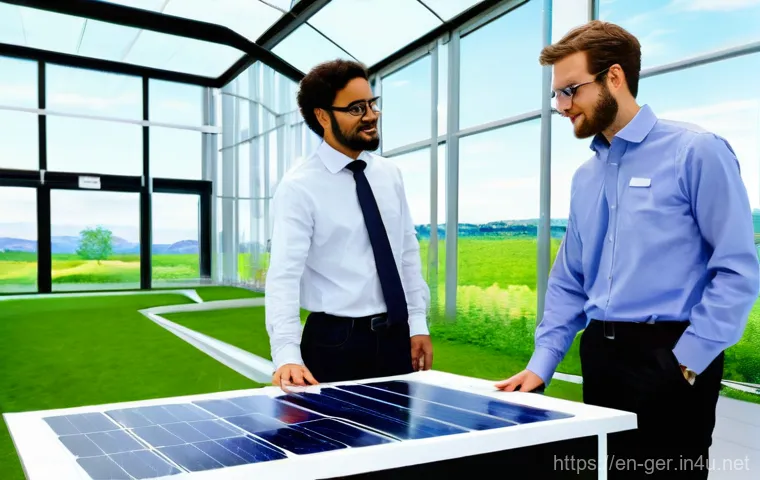
Another strength I’ve observed is the increasingly strong bridges being built between academic institutions and the startup world. German universities and research institutes are powerhouses of innovation, and there’s a growing emphasis on commercializing groundbreaking research. I’ve met numerous founders who spun their companies directly out of university projects, leveraging years of scientific inquiry and cutting-edge discoveries. This close collaboration ensures a pipeline of highly specialized talent – think AI researchers, biotech engineers, and quantum computing specialists – who are not only academically brilliant but also keen to apply their knowledge to real-world problems. It’s a fantastic symbiotic relationship: academia gets to see its research have a tangible impact, and startups gain access to unparalleled expertise and often, state-of-the-art facilities. This fusion of theory and practice is, in my view, a crucial ingredient in Germany’s recipe for innovation success.
Challenges and the Road Ahead for German Startups
Now, while I’m clearly incredibly bullish on Germany’s startup future, it’s not all sunshine and rainbows. Every dynamic ecosystem faces its hurdles, and Germany is no exception. It’s important to acknowledge these challenges, not to diminish the achievements, but to understand how they’re being addressed and what still needs work. From my conversations with founders, investors, and policymakers, there are definitely areas where the landscape could be smoother, and I often find myself thinking about how these brilliant minds navigate these complexities. The commitment to overcoming these obstacles is strong, but recognizing them is the first step toward finding lasting solutions. I’ve seen a lot of resilience and adaptability, which gives me confidence, but it’s a constant evolution.
Navigating Bureaucracy and Red Tape
One consistent theme that comes up when discussing challenges is the infamous German bureaucracy. While there’s a lot of incredible support, the administrative processes can sometimes feel a bit… cumbersome. I’ve heard stories of founders grappling with complex legal frameworks, lengthy approval processes, and a general preference for paper over digital solutions. For agile startups that need to move quickly, this can be a real source of frustration. It’s not necessarily about a lack of willingness from the authorities, but often a deeply entrenched system that’s slow to adapt. However, I’ve also seen increasing efforts to streamline these processes, particularly at the municipal level, with dedicated startup hubs offering guidance and support. It’s a work in progress, but the awareness is there, and I believe with continued digital transformation, these hurdles will become less significant over time. It’s a cultural shift that won’t happen overnight, but the intentions are certainly in the right place.
Scaling Challenges and Access to Growth Capital
While early-stage funding has seen tremendous growth, some founders still express concerns about accessing larger rounds of growth capital to truly scale their businesses internationally. It’s often referred to as the “Series B gap” – getting beyond the initial seed and Series A funding to raise the substantial amounts needed for aggressive expansion. While this gap is certainly narrowing, it’s still a point of discussion. There’s a perception that some investors, particularly within Germany, can be a bit more cautious compared to their counterparts in Silicon Valley, sometimes preferring steady, sustainable growth over rapid, high-risk expansion. However, as more international VCs enter the German market and as the domestic ecosystem matures with more successful exits, this challenge is steadily being addressed. I’m optimistic that with continued investment and a growing track record of success, access to larger growth rounds will become even more robust.
Why You Should Keep an Eye on Germany’s Tech Future
Alright, so we’ve talked about the vibrant cities, the niche innovations, the impressive funding, and the strong support system – even the bumps in the road. But really, why should *you*, whether you’re an investor, a fellow entrepreneur, or just someone fascinated by the future, keep a close watch on Germany’s tech scene? From everything I’ve seen and experienced, it boils down to a few key factors that make this country a truly unique and powerful player on the global innovation stage. It’s not just about the present; it’s about the incredibly promising trajectory that this ecosystem is on, and I genuinely feel it’s setting itself up for some truly momentous breakthroughs in the coming years. There’s a certain resilience and methodical approach to innovation here that I find profoundly reassuring.
A Foundation Built on Engineering Excellence
When you strip everything away, Germany’s enduring strength lies in its bedrock of engineering excellence. This isn’t just a historical anecdote; it’s a living, breathing part of its startup DNA. I’ve been consistently impressed by the quality of the technical solutions being developed – they’re not just functional, they’re often elegant, robust, and built to last. This deep-seated commitment to precision and meticulous design translates into products and services that are inherently reliable and often superior. For me, it means that when a German startup claims to have a groundbreaking solution, there’s a very high probability that it’s been rigorously tested and thoughtfully engineered. This focus on fundamental quality provides a strong competitive advantage, especially in B2B markets where reliability and performance are paramount. It feels like they’re building the future with a careful, steady hand, ensuring that what’s created today will stand the test of time.
Global Mindset, Local Roots
What I find particularly compelling about German startups is their ability to blend a strong global mindset with deep local roots. Many companies are born with an international perspective, understanding that to truly scale, they need to target markets beyond Germany from day one. Yet, they retain a unique “German touch” – whether it’s the emphasis on engineering, data privacy, or sustainable practices – that differentiates them. I’ve seen how founders here are adept at building diverse, international teams while still drawing on the rich industrial and academic heritage of their homeland. This dual focus allows them to create solutions that are globally relevant but carry the hallmark of German quality and trustworthiness. It’s a powerful combination that I believe positions them incredibly well for long-term success on the world stage. It’s a balance that’s often hard to strike, but Germany seems to be doing it with increasing finesse.
| Startup Hub | Key Focus Areas | Typical Startup Stage | Average Investment Focus (Euro) |
|---|---|---|---|
| Berlin | Fintech, SaaS, E-commerce, Gaming, Consumer Tech | Early-stage to Growth-stage | €500K – €50M+ |
| Munich | Deep Tech, AI, Robotics, Mobility, Industrial IoT | Seed to Series C | €1M – €100M+ |
| Hamburg | Logistics Tech, Media Tech, Green Tech, Fintech | Early-stage to Series B | €250K – €25M |
| Dresden | Micro-electronics, Semiconductor, Future Mobility | University Spin-offs, Seed-stage | €100K – €5M |
| Cologne/Düsseldorf | Insurtech, Creative Tech, Digital Health, SaaS | Seed to Series A | €200K – €10M |
The Entrepreneurial Spirit: A Cultural Shift
If you’d asked me a decade ago about the “entrepreneurial spirit” in Germany, I might have given you a slightly more reserved answer. But what I’ve witnessed over the past few years is nothing short of a cultural metamorphosis. There’s a palpable shift in mindset, a growing willingness to embrace risk, and a burgeoning sense of pride in building something new from the ground up. It’s no longer just about joining a large, established corporation; starting your own venture is increasingly seen as a viable, exciting, and even prestigious path. This change is absolutely crucial for any ecosystem to truly thrive, and frankly, it’s one of the most exciting developments I’ve had the pleasure of observing. It feels like a country that’s always valued stability is now confidently adding innovation and agility to its core identity, and that’s a powerful combination.
From Risk Aversion to Bold Ventures
Traditionally, German society has often been portrayed as somewhat risk-averse, favoring security and long-term planning. While those qualities still hold true, I’m seeing a refreshing new wave of founders who are fearlessly diving into uncharted waters. They’re not just creating incremental improvements; they’re challenging established norms, disrupting industries, and dreaming big. I’ve heard countless stories of individuals leaving comfortable corporate jobs to pursue a passion project, driven by a conviction that they can make a real difference. This isn’t recklessness; it’s calculated boldness, backed by meticulous planning and deep expertise, which I believe is a distinctly German trait. This shift is attracting more talent, inspiring more ideas, and ultimately, accelerating the pace of innovation across the board. It truly feels like a new era of entrepreneurship is dawning.
A Supportive, Growing Community
What truly fosters this entrepreneurial spirit is the rapidly growing and increasingly supportive community. It’s not just about individual companies; it’s about the collective. I’ve been so impressed by how founders are willing to help each other, share insights, and celebrate successes. There are mentorship programs, peer groups, and a general ethos of giving back that strengthens the entire network. This isn’t a cutthroat environment; it’s one where collaboration is valued, and shared knowledge is seen as a key to collective growth. This supportive atmosphere encourages more people to take the leap into entrepreneurship, knowing they’re not alone on their journey. It creates a safety net of sorts, where failures are seen as learning opportunities rather than insurmountable roadblocks, which is absolutely vital for a healthy, vibrant startup scene. This sense of belonging is a huge draw and a powerful engine for continued innovation.
Wrapping Things Up
Honestly, reflecting on all of this, I can’t help but feel a deep sense of excitement for what’s next in the German startup landscape. It’s been an incredible journey watching this ecosystem mature, from its energetic hubs in Berlin to the deep tech powerhouses in Munich and the specialized brilliance found in Dresden. The blend of engineering excellence, a growing entrepreneurial spirit, and a genuinely supportive environment truly sets Germany apart. If you’ve been wondering where the next wave of impactful innovation is coming from, trust me, you need to keep your eyes firmly fixed on this dynamic nation. It’s not just about building companies; it’s about building the future, one meticulously crafted, globally-minded venture at a time.
Useful Information to Know
1. Don’t underestimate the power of local networking. While English is widely spoken in startup circles, making an effort to connect with local communities and events can open doors you might not find online. Many cities have dedicated startup initiatives and regular meetups that are fantastic for making genuine connections and understanding the unique nuances of each regional scene.
2. While the funding landscape is booming, be prepared for a rigorous due diligence process. German investors, known for their precision, often look for robust business models, detailed projections, and a clear path to profitability. Having your financials and strategic plans meticulously organized will definitely give you an edge and build that crucial investor confidence.
3. Consider the regional strengths beyond Berlin. If your startup is in deep tech, AI, or advanced manufacturing, Munich or even smaller, specialized hubs like Dresden or Stuttgart might offer more targeted resources, industry partnerships, and a highly skilled talent pool specific to your niche. It’s not a one-size-fits-all approach anymore.
4. Leveraging government support programs like EXIST grants or regional state funding can provide a significant boost, especially in the early stages. These programs often come with mentorship and non-dilutive capital, which can be invaluable for developing your initial product or proving your concept without giving up equity.
5. Embrace the international nature of the German startup scene. Building a diverse team with members from various cultural backgrounds isn’t just a nice-to-have; it’s a strategic advantage. It brings varied perspectives, enhances problem-solving capabilities, and positions your company for global market entry from day one.
Key Takeaways
The German startup scene is a dynamic, multi-faceted ecosystem extending far beyond Berlin, with Munich and other regional hubs specializing in deep tech and industrial innovation. It’s characterized by a strong focus on niche markets and engineering excellence, particularly in areas like Industry 4.0 AI and sustainable technologies. A significant influx of both domestic and international funding, including growing corporate venturing, signals high investor confidence in these robust, scalable ventures. Government support, through grants and a maturing network of incubators and accelerators, plays a crucial role in fostering growth and stability. Furthermore, Germany’s ability to attract diverse global talent, coupled with a cultural shift towards entrepreneurship, ensures a continuous pipeline of innovation, solidifying its position as a major player in the global tech landscape despite some ongoing bureaucratic and scaling challenges.
Frequently Asked Questions (FAQ) 📖
Q: Why is Germany suddenly a hot spot for startups, especially for international founders?
A: Oh, this is a question I get all the time, and for good reason! Germany, often seen as the land of tradition and efficiency, has truly become an unexpected, vibrant hub for innovation.
From what I’ve personally observed and researched, it’s not just a fleeting moment; there’s a real, sustained surge happening. I think it boils down to a powerful blend of factors.
Firstly, you can’t ignore Germany’s incredibly robust economy and its world-class industrial heritage. This creates a solid foundation, offering both significant market opportunities and a highly skilled workforce.
But what’s really shifted is the entrepreneurial mindset. Cities like Berlin, with its electric energy, or Munich, with its deep-rooted tech talent, are buzzing with activity.
They’ve built these fantastic ecosystems, complete with co-working spaces, accelerators, and a wonderfully diverse talent pool. Honestly, when I visit these places, the energy is just infectious!
For international founders, the appeal is growing because, while there used to be a bit of a language barrier or bureaucratic hurdles, the German startup scene is becoming much more open and welcoming.
People are actively seeking global talent and ideas, realizing that diversity fuels innovation. It’s a genuinely exciting time to be building something here, with incredible support systems emerging to help founders from all over the world make their mark.
Q: What specific types of startups are really taking off in Germany right now, and what makes them stand out?
A: That’s where it gets super interesting! I’ve been tracking this closely, and what I find truly fascinating is Germany’s strong focus on areas that genuinely solve big problems.
We’re not just seeing fleeting consumer apps; we’re talking about deep, impactful innovation. AI is absolutely massive here. With its strong research institutions and engineering prowess, Germany is a fertile ground for AI startups.
They’re developing everything from advanced machine learning for industrial applications to clever AI-powered health solutions. It’s truly transformative stuff!
Then there’s sustainable tech, or “green economy” solutions, which is another huge winner. Given Germany’s commitment to environmental goals, it makes perfect sense.
Companies are innovating in renewable energy, sustainable building, and even creating plant-based alternatives that are incredibly impressive. And finally, B2B solutions are absolutely dominating the landscape.
Think sophisticated Software as a Service (SaaS) platforms and enterprise software that help businesses run more efficiently. This really plays into Germany’s industrial strengths, with startups offering innovative tools that are reshaping industries.
What makes these companies stand out, in my opinion, is their pragmatic approach: they’re focused on profitability and sustainable growth from day one, rather than just chasing hyper-growth.
It’s a smart, long-term vision that I think will lead to some seriously impactful global players.
Q: How does the German government and ecosystem support these burgeoning startups, especially in terms of funding and resources?
A: It’s not just hype; there’s real, tangible backing from the German government and the wider ecosystem, which is crucial for any startup. From what I’ve seen, they’re incredibly proactive.
The government has poured significant funds into supporting startups, with initiatives like the “Future Fund” providing billions in venture capital for forward-looking technologies.
Beyond that, there are fantastic programs like EXIST, which helps university spin-offs, and ERP Start-Up Loans that offer accessible, low-interest financing for new ventures.
They even have grants like INVEST that encourage private investors, like business angels, to put their capital into innovative young companies by de-risking their investments.
But it’s not just about money. The ecosystem itself is phenomenal. You find a wealth of incubators and accelerators across the country, especially in major hubs, that offer mentorship, office space, and invaluable networking opportunities.
What’s truly special is the collaborative spirit; there’s a strong push for startups to partner with established corporations and research institutions, creating a dynamic environment where big ideas can find the resources and expertise they need to scale.
It really feels like the entire country is rallying behind its entrepreneurial spirit, creating a powerful launchpad for success.