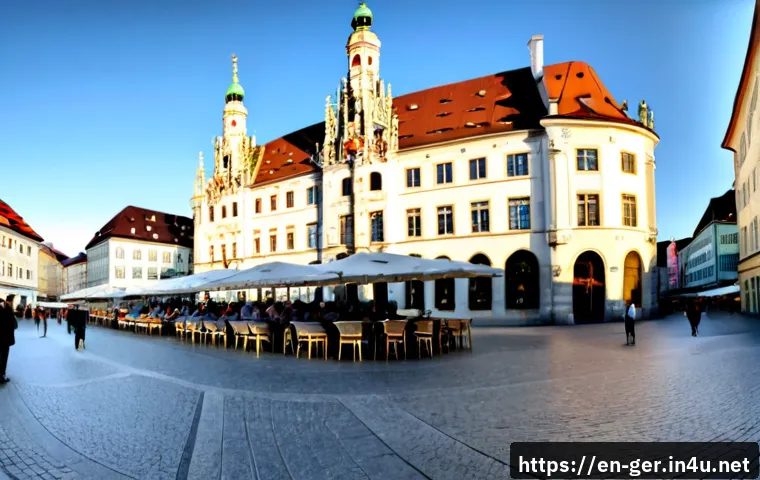
Berlin is the broadest choice for travelers who want varied neighborhoods, history, and creative city energy, while Munich suits a more polished Bavarian-style break and Hamburg suits a waterfront-focused stay.
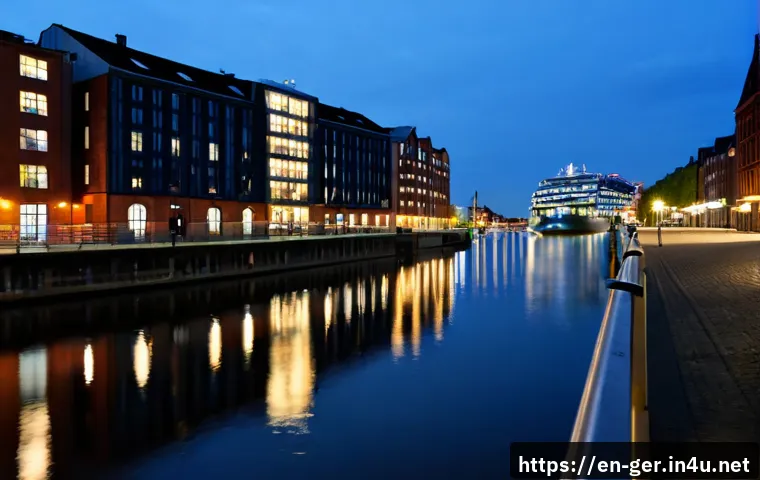
Frankfurt is often the most practical pick when business commitments, airport access, or a short itinerary shape the trip. For architecture and a slower historic atmosphere, Cologne, Dresden, Heidelberg, and Nuremberg can be better matches than choosing only the biggest-name city.
Compare central hotel locations, rail connections, and attraction priorities before booking. The right choice depends less on a single landmark and more on how many days you have, where you arrive, and how much daily movement you want.
At a Glance
- Berlin fits creative culture, history, and travelers who want several distinct neighborhoods.
- Munich, Hamburg, and Frankfurt suit very different priorities: Bavarian traditions, waterfront atmosphere, or efficient business connections.
- Cologne, Dresden, Heidelberg, and Nuremberg are strong choices for cathedral views, Baroque architecture, old-town walks, and historic sites.
| City | Best Travel Match | Typical Stay Approach | Transport Convenience | Booking Pressure and Value Considerations |
|---|---|---|---|---|
| Berlin | Culture, history, nightlife, neighborhood exploration | Allow time to explore beyond one central area | Local transit planning matters because activities may be spread out | Compare hotel location against the places you expect to visit most |
| Munich | Bavarian traditions, museums, polished city break | Works for a focused short break or a longer cultural stay | Check connections from your arrival point and planned day trips | Event dates, including Oktoberfest, can affect accommodation demand |
| Hamburg | Waterfront scenery, music, northern atmosphere | Plan around the areas and waterways you most want to see | Review local transport routes between hotel and waterfront areas | Central location may be worth comparing when time is limited |
| Frankfurt | Business travel, airport access, quick city stays | Useful when the itinerary is short or connection-led | Major airport access is a key practical advantage | Compare hotel convenience with meeting locations and rail plans |
The Quick Match: Choose a German City by Your Travel Style
The easiest way to choose a German city is to start with your main reason for traveling. A landmark can fill an afternoon, but your preferred pace, hotel location, and arrival route shape the entire trip. If you are booking a rail-based itinerary or a city-break hotel, select the city that reduces unnecessary transfers and daily backtracking.
Berlin for Creative Culture, History, and Varied Neighborhoods
Berlin is Germany’s capital and its largest city by population. It is a natural match for travelers who want a city with varied neighborhoods, history, museums, and a creative atmosphere. Rather than treating Berlin as a single compact sightseeing zone, choose accommodation based on the activities that matter most to you. A centrally located hotel can be useful when your schedule includes several districts, but compare the location carefully with local transit options before paying more for convenience.
Munich for Bavarian Traditions, Museums, and Polished City Breaks
Munich, the capital of Bavaria, is internationally associated with Oktoberfest. It can suit visitors looking for Bavarian traditions alongside museums and a more structured city-break feel. If Oktoberfest or another major event overlaps with your dates, check hotel availability early and review cancellation terms. For a short stay, prioritize a neighborhood that keeps your main cultural stops and evening plans practical.
Hamburg for Waterfront Scenery, Music, and a Northern Atmosphere
Hamburg is a major port city built around the River Elbe and extensive waterways. Choose it when the appeal is a northern city atmosphere, waterfront scenery, and music rather than a classic old-town-only itinerary. Your hotel comparison should include how easily you can reach the areas you plan to explore. A lower nightly rate farther away may not be better value if it adds repeated local transport and travel time.
Frankfurt for Business Travel, Quick Connections, and Short Stays
Frankfurt is a major German financial center and home to one of Europe’s busiest airports. That makes it a logical choice for a business trip, a short stop, or an itinerary where airport and rail connections matter more than a long sightseeing list. When selecting accommodation, compare the distance to your meetings, station, or airport route. For a brief stay, time saved can matter more than finding the lowest room rate.
Compare Atmosphere, Budget Pressure, and Time Needed
No city is automatically the best value. Hotel, train, restaurant, museum, and guided-tour costs can vary by season, booking lead time, events, and neighborhood. Use your available days to decide whether you need a compact historic center, a major city with varied districts, or a connection-friendly stop.
A City-by-City Comparison Table for First-Time Visitors
The table above is a planning tool, not a fixed ranking. Berlin works best when you welcome variety and are willing to use local transit. Munich may fit a visitor seeking Bavarian context. Hamburg is a strong thematic choice for waterways and port-city character, while Frankfurt can be the most efficient option for an airport- or business-led schedule.
When Central Accommodation Is Worth the Higher Nightly Rate
Paying more for a central hotel may be worthwhile when you have only one or two nights, early reservations, evening plans, or limited mobility within your group. It may be less important when you have more days and are comfortable planning local transit. Before choosing, compare the hotel’s actual location with your first and last activity each day, not only with the city name on the listing.
Rail, Airport, and Local Transport Factors That Affect Total Trip Value
Rail travel can make a multi-city Germany itinerary more flexible, but the useful comparison is not the ticket alone. Check the full route: arrival airport, station access, transfer time, local transit, and luggage handling. Frankfurt’s airport role may simplify some itineraries. For other cities, review rail connections and city-pass inclusions only after deciding which attractions and transport you will actually use.
Cultural Strengths Beyond the Most Famous Landmarks
Famous landmarks are useful starting points, but they should not decide the whole trip. A city may fit better because its scale, riverside setting, historic streets, or museum focus matches the way you prefer to travel.
Cologne and Dresden for Architecture, Museums, and Riverside Walks
Cologne is known for Cologne Cathedral, a UNESCO World Heritage Site. Dresden is widely recognized for restored Baroque architecture and its location on the River Elbe. Both are appealing for travelers who want architecture to be a central part of the visit. Build in time for unhurried walking and confirm attraction opening arrangements before setting a tight schedule.
Heidelberg and Nuremberg for Historic Streets and Slower-Paced Exploration
Heidelberg is known for its historic old town, castle ruins, and university tradition. Nuremberg combines major medieval heritage with important sites connected to the Nazi era and postwar trials. These cities may suit travelers who prefer historic streets and a more focused exploration plan. Nuremberg’s historical sites can call for more time and context than a quick landmark visit, so choose guided tours or museum reservations thoughtfully.
Choosing Between Large-City Energy and Compact Historic Centers
Choose a larger city when you want several neighborhoods, more varied daily options, or a business-oriented base. Choose a historic-center destination when you want a slower itinerary built around walking, architecture, and a smaller number of priorities. Neither approach is better; the mismatch happens when travelers expect a compact old-town rhythm from a large capital, or endless variety from a smaller historic stop.
Planning Mistakes That Can Make the Wrong City Feel Disappointing
Many disappointing trips are caused by planning assumptions rather than the destination itself. A few checks before booking can protect both your time and your accommodation budget.
Ignoring Major Festivals, Trade Fairs, and Holiday Periods
Major events can change hotel demand, transport availability, and the pace of a city. Munich’s association with Oktoberfest is an obvious example, but any event period deserves a calendar check. If your dates are fixed, compare several neighborhoods and read the booking conditions before committing.
Booking a Hotel Far from the Activities That Matter Most
A hotel can look inexpensive until local transport, late returns, and lost sightseeing time are considered. Make a short list of your priorities—museum, business venue, station, riverside area, historic center, or nightlife—and map each one against the accommodation. Location is a daily cost factor, even when the room rate is lower.

Underestimating Museum Closures, Reservation Needs, and Walking Distances
Do not assume every attraction will fit into an open afternoon. Check official opening information, reservation requirements, accessibility details, and realistic walking distances. This is especially important for families, multigenerational groups, and travelers trying to combine a guided tour with a rail departure on the same day.
City Choices for Weekend Breaks, Families, Business, and Longer Routes
Your trip type narrows the decision quickly. A weekend break needs fewer moving parts, while a longer route can make room for contrasting cities and slower historic stops.
Best Options for a First German Weekend Trip
For a first weekend, Berlin can work if you focus on a few neighborhoods rather than trying to cover everything. Munich may appeal if Bavarian traditions and museums are your priority. Cologne, Dresden, or Heidelberg can be appealing when architecture and a more concentrated sightseeing plan matter most. Frankfurt is particularly practical when arrival and departure efficiency lead the itinerary.
Cities That Work Well with Children or Multigenerational Groups
For mixed-age groups, reduce daily transfers and avoid overloading the plan. A hotel near your core activities, clear local transit options, and pre-checked attraction access can be more valuable than a packed itinerary. Hamburg’s waterways, Dresden’s riverside location, Heidelberg’s old town and castle setting, and Cologne’s cathedral-centered visit can all be considered according to the group’s pace and interests.
Combining Two Cities Efficiently by Train
Combine cities only when the rail connection supports the time you actually have. A practical pairing usually gives each destination enough time to feel distinct rather than turning the trip into repeated check-in and check-out days. Check rail connections first, then compare station-area and central hotel locations for the nights before early departures.
Selection Criteria and Comparison Summary Before You Book
Choose before you book: match the city to your purpose, compare central hotel locations, check rail connections, review city-pass inclusions, and confirm attraction reservations. Also check whether event dates affect your preferred neighborhood and whether your arrival airport supports the route efficiently. For hotel, rail pass, guided tour, or city-pass details, review the current inclusions and conditions on the relevant booking page before payment.
A Final Checklist for City, Neighborhood, Transport, and Attraction Choices
Ask four questions: What is my main travel purpose? How many full days do I have? Which neighborhood reduces the most daily travel? Which attractions need advance planning? These answers usually identify a better destination than a generic “must-see city” list.
When to Prioritize Convenience Over Lower Accommodation Costs
Prioritize convenience when your stay is short, your schedule is fixed, or your group needs simpler movement. A less central option can still work for longer stays, provided local transit and return times suit your plan. Compare the complete travel day, not only the room total.
Matching Your City Choice to Your Available Travel Days
With limited days, choose one clear theme: Berlin for breadth, Munich for Bavarian context, Hamburg for waterways, Frankfurt for connections, or a historic-focused city such as Cologne, Dresden, Heidelberg, or Nuremberg. With more time, combine contrasting destinations only after checking rail timing and hotel logistics.
Closing Thoughts
Germany’s cities are different enough that the most famous option is not always the most suitable one. Berlin, Munich, Hamburg, and Frankfurt each offer a distinct practical reason to visit, while Cologne, Dresden, Heidelberg, and Nuremberg provide strong architecture and history-led alternatives. Build the trip around your pace, arrival point, and preferred daily experience. A well-located hotel and realistic transport plan can improve almost any city choice.
Useful Things to Know
Hotel location: Compare the address with your actual itinerary, not just the city center label.
Rail planning: Consider transfers, station access, and luggage movement alongside the train journey itself.
Event dates: Check calendars before booking, especially for Munich around Oktoberfest.
Attractions: Confirm official opening times, reservation needs, and accessibility information in advance.
Important Notes
Accommodation, rail, restaurant, museum, and tour prices vary by season, booking lead time, events, and neighborhood. Safety, crowd levels, nightlife, and accessibility can also differ by district and time of day. Always verify current transport schedules, hotel terms, attraction reservations, and city-pass conditions before finalizing your plans.
Frequently Asked Questions
Q1. Which German city is best for first-time visitors?
A1. It depends on the kind of first trip you want. Berlin is a broad choice for history, culture, and varied neighborhoods. Munich fits Bavarian traditions and museums, while Cologne, Dresden, Heidelberg, or Nuremberg may be better if architecture and historic exploration are your priority.
Q2. Is Berlin or Munich better for a three-day city break?
A2. Choose Berlin if you want variety and are comfortable focusing on selected neighborhoods rather than seeing everything. Choose Munich if Bavarian culture, museums, and a more concentrated city-break plan better match your interests. Check event dates and compare central hotel locations before deciding.
Q3. Which German cities offer the best value for hotels and rail-based travel?
A3. Value changes by season, events, booking lead time, neighborhood, and your route. Frankfurt can be practical for airport and business connections, while other cities may offer better value when their hotel location and rail access reduce transfers. Compare the total itinerary cost and time, not only the nightly hotel rate or rail ticket.