Hello there, fellow adventurers and culture seekers! You know me, I’m always on the lookout for those travel experiences that truly grab your soul and leave you with incredible stories to tell.
Lately, my wanderlust has been pulling me towards the heart of Europe, specifically to Germany, and let me tell you, its museum scene is an absolute game-changer.
Forget any notions of dusty, traditional exhibits; I’ve been doing some serious digging and have uncovered some spectacular spots that are totally redefining what a museum can be.
From immersive historical journeys powered by cutting-edge technology to serene art sanctuaries tucked away in charming, historic towns, there’s a unique narrative waiting to captivate every single one of us.
It’s more than just seeing artifacts; it’s about feeling the vibrant pulse of German culture, connecting with its rich heritage, and experiencing those profound “aha!” moments that only real-world exploration can bring.
If you’re like me, craving authentic, enriching cultural deep dives, then you are absolutely in for an unforgettable treat. So, let’s dive right in and uncover some truly magnificent German museums together!
Unraveling Berlin’s Layered Past: History You Can Feel
Stepping Through the Gates of Time
I’ve always been a history buff, and Berlin’s museums truly deliver an experience that goes beyond simply reading plaques. Walking through the doors of some of these institutions, I personally felt like I was stepping back in time, directly into the heart of pivotal moments that shaped not just Germany, but the entire world.
It’s one thing to learn about historical events in a textbook, but it’s an entirely different, profoundly moving experience to stand where those events unfolded, surrounded by the remnants and narratives of those who lived through them.
The way these museums are curated, with a keen eye for engaging storytelling and often leveraging cutting-edge interactive displays, completely transforms the learning process into an emotional journey.
You don’t just observe; you participate, you ponder, and you really connect with the human stories behind the headlines. This city, with its scars and triumphs, offers an unparalleled opportunity to deeply engage with the past, encouraging reflection and understanding in a way few other places can.
It’s truly an essential stop for anyone who believes in learning from history’s profound lessons.
Echoes of the Cold War and Beyond
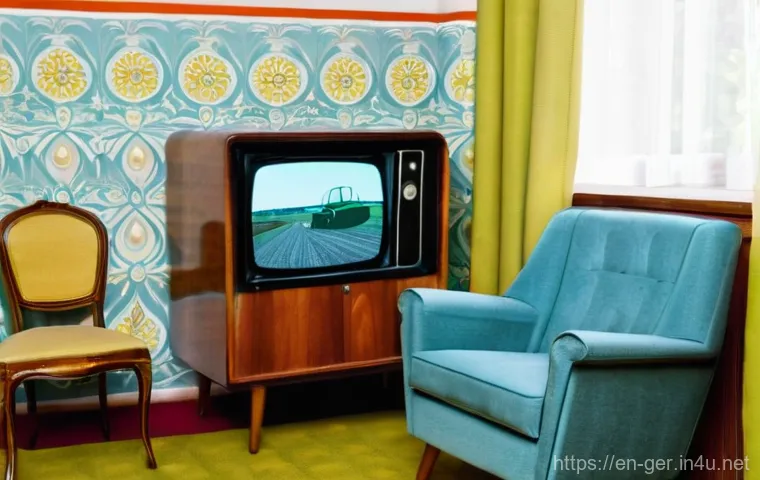
One experience that absolutely stuck with me was at the DDR Museum in Berlin. It’s not just a collection of artifacts; it’s an immersive dive into daily life in East Germany, and let me tell you, it completely blew my mind.
I got to “drive” a Trabant car simulator, sit in a recreated living room, and even rummage through cupboards filled with period-specific groceries and household items.
It felt incredibly intimate and gave me such a palpable sense of what life was like behind the Iron Curtain – the small details, the quirks, the challenges.
It truly personalizes history in a way that dry facts simply can’t. Similarly, the Topography of Terror, located on the site of former Gestapo and SS headquarters, is a chilling and absolutely vital experience.
It’s an outdoor and indoor exhibition that meticulously documents the atrocities of the Nazi regime, and walking through it, seeing the excavated cellars, you can’t help but feel the weight of history pressing down on you.
It’s raw, it’s unflinching, and it serves as a powerful reminder of humanity’s capacity for both cruelty and resilience. These places don’t just inform; they evoke a profound sense of introspection and make you truly appreciate the freedoms we often take for granted.
Artistic Havens: Where Masterpieces Inspire and Transform
From Old Masters to Avant-Garde Visions
If your soul craves beauty and your mind yearns for creative stimulation, Germany’s art museums are an absolute treasure trove. I mean, seriously, they are just incredible.
I’ve visited countless galleries around the world, but there’s a unique charm and gravitas to places like Dresden’s Zwinger Palace, home to the Old Masters Picture Gallery, or Munich’s Alte Pinakothek.
Standing before works by Raphael, Rubens, and Rembrandt, I often find myself completely lost in their worlds, marveling at the brushstrokes and imagining the lives of the artists and their subjects.
It’s not just about seeing famous paintings; it’s about connecting with centuries of human expression, witnessing the evolution of thought and emotion captured on canvas.
The scale and sheer quality of the collections are just breathtaking, and I promise you, even if you’re not a seasoned art critic, you’ll find something that truly resonates with you.
These museums curate such diverse collections that there’s always an unexpected gem waiting to be discovered, whether it’s a vibrant landscape or a poignant portrait.
Modern Marvels and Design Dreams
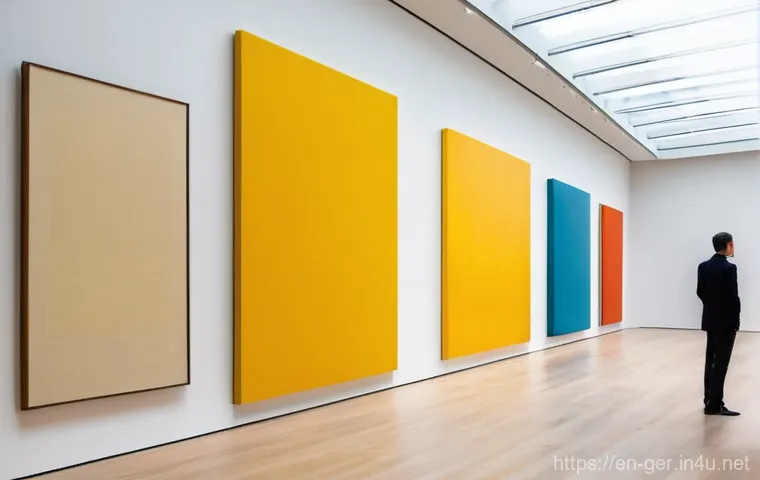
But Germany isn’t just about classical art; it’s a vibrant hub for modern and contemporary expressions too! The Pinakothek der Moderne in Munich, for example, is a dazzling complex that brings together art, architecture, and design under one roof.
I remember spending an entire afternoon there, utterly captivated by everything from Kandinsky’s abstract masterpieces to iconic furniture designs. It’s a space that truly sparks creativity and makes you think differently about the world around you.
And then there’s Museum Ludwig in Cologne, right next to that stunning cathedral. Its pop art collection, particularly its extensive Warhol holdings, is just phenomenal, and it was such a joy to experience.
You get to witness the daring spirit of artists who pushed boundaries and challenged conventions, leaving an indelible mark on our cultural landscape.
For me, these modern art spaces are invigorating; they make you question, they make you feel, and they undoubtedly leave you with a fresh perspective.
They aren’t just exhibiting art; they’re showcasing the very pulse of contemporary thought and innovation.
Innovation Hubs: Where Science and Technology Ignite Curiosity
Engineering Wonders and Future Gazing
You know, sometimes I feel like museums can get a reputation for being a bit… static. But Germany’s science and technology museums completely shatter that misconception!
Take the Deutsches Museum in Munich, for instance. It’s one of the largest and oldest science museums in the world, and honestly, it’s an absolute wonderland.
I spent hours there, feeling like a kid again, marveling at everything from historic airplanes and intricate machinery to groundbreaking experiments. I vividly remember trying out some of the interactive displays, learning about electricity, and even seeing a real U-boat.
It’s not just for kids; it’s incredibly engaging for adults too, making complex scientific principles accessible and fascinating. This museum really makes you appreciate the human ingenuity that has propelled us forward through the centuries, inspiring a sense of wonder and a deeper understanding of the world we live in.
It truly showcases the spirit of German engineering and innovation in the most spectacular way possible.
The Magic of Miniatures and Urban Innovation
And then, for something truly unique, there’s Miniatur Wunderland in Hamburg. This place isn’t just a museum; it’s an entire miniature world meticulously crafted with such incredible detail and whimsy that you honestly won’t believe your eyes.
I’ve been there, and I can tell you, it’s an absolute triumph of creativity and engineering. You’ll see tiny airports with planes taking off, bustling cities, snow-capped mountains, and even a miniature concert with thousands of tiny people.
The sheer scale and complexity of it are mind-boggling, and I was utterly enchanted watching the trains chug along and the cars navigate the roads. It’s a testament to patience, precision, and an unbridled passion for storytelling through miniatures.
It’s an experience that appeals to every age and truly captures the imagination, proving that innovation can be found in the most delightful and unexpected places.
It’s a place where you can lose yourself for hours, discovering new details with every glance.
Beyond the Usual: Germany’s Niche and Unique Collections
Discovering Unexpected Treasures
One of the things I love most about exploring a new country is stumbling upon those quirky, specialized museums that offer a window into something truly unexpected.
Germany excels at this! Forget the grand historical narratives for a moment and imagine a museum dedicated entirely to a specific craft, a beloved food, or even a historical oddity.
These are often smaller, more intimate spaces, but they offer such a rich and personal insight into local culture and passion. I’ve always found that these niche museums provide some of the most memorable and genuinely delightful experiences, often leading to fascinating conversations with passionate curators or fellow visitors.
They showcase the incredible diversity of human interests and the dedicated preservation of unique stories that might otherwise be forgotten. It’s like finding a hidden gem that wasn’t on your main itinerary, but ends up being one of the highlights of your trip.
A Taste of the Peculiar and the Passionate
For example, have you ever considered visiting a Currywurst Museum in Berlin? I know, it sounds hilarious, but it’s actually a fun and surprisingly informative dive into Germany’s beloved fast-food staple.
It’s a delightful, lighthearted experience that celebrates a genuine cultural icon, and you even get to learn about its history and impact. Or what about the German Museum of Clocks in Furtwangen?
It’s a breathtaking collection that traces the history of timekeeping, from ancient mechanisms to modern marvels. I found myself utterly engrossed by the intricate craftsmanship and the sheer ingenuity behind each piece.
These aren’t your typical grand institutions, but they offer such a personal and often amusing glimpse into very specific aspects of German life and innovation.
They truly exemplify the idea that a museum can be about anything, as long as it’s presented with passion and expertise. It’s these kinds of unexpected discoveries that truly enrich a travel experience and create lasting, unique memories.
Timeless Castles and Palaces: Living History at Its Finest

Fairytale Fortresses and Royal Residences
When you think of Germany, it’s almost impossible not to conjure images of majestic castles and opulent palaces straight out of a fairytale, right? And the wonderful thing is, many of these architectural masterpieces are now magnificent museums, offering an unparalleled glimpse into centuries of royal life, political intrigue, and breathtaking artistry.
Visiting a place like Neuschwanstein Castle, high in the Bavarian Alps, is an experience that transcends mere sightseeing. It’s like stepping into a dream, wandering through the incredibly detailed rooms imagined by King Ludwig II.
I personally felt an overwhelming sense of wonder walking through its halls, seeing the intricate frescoes and elaborate furnishings, truly feeling the echoes of royal ambition and romantic vision.
These aren’t just buildings; they’re living archives, each stone and tapestry whispering tales of bygone eras. It’s a chance to immerse yourself in the grandeur and complexities of European aristocracy in a truly spectacular setting.
Gardens, Grandeur, and Glimpses of Nobility
Beyond Neuschwanstein, there are countless other princely residences that have been meticulously preserved and transformed into public treasures. Consider the Residenz in Munich, the former royal palace of the Bavarian monarchs, or Sanssouci Palace in Potsdam, Frederick the Great’s idyllic summer retreat.
Each offers a unique perspective on German history and culture. I recall being absolutely mesmerized by the sheer scale and artistry of the Residenz, imagining the lives led within those gilded walls, and then finding a serene tranquility wandering through the meticulously sculpted gardens of Sanssouci.
It’s not just about the art and artifacts inside; it’s about the entire environment – the architecture, the landscaped grounds, the sheer ambition of their creators.
These sites provide a holistic experience that transports you, allowing you to not just see, but truly *feel* the legacy of German nobility and their profound impact on the nation’s heritage.
They are an absolute must-visit for anyone who appreciates historical grandeur and magnificent craftsmanship.
| Museum Name | Location | Key Highlights / Type | Why Visit (My Take) |
|---|---|---|---|
| Deutsches Museum | Munich | Science, Technology, Engineering | A massive, interactive wonderland for all ages; prepare to be amazed by human ingenuity! |
| Pergamon Museum | Berlin | Ancient Art, Archaeology, Islamic Art (Currently partially closed for renovation) | Iconic architectural reconstructions and historical treasures from ancient civilizations. |
| DDR Museum | Berlin | Daily Life in East Germany (GDR) | Incredibly immersive and interactive; get a real feel for life behind the Iron Curtain. |
| Pinakothek der Moderne | Munich | Modern Art, Architecture, Design | A stunning collection spanning 20th and 21st-century masterpieces, truly inspiring. |
| Miniatur Wunderland | Hamburg | Miniature Worlds (Trains, Cities, Airports) | An absolute marvel of craftsmanship and imagination; you’ll be captivated for hours! |
| Städel Museum | Frankfurt | European Art (Old Masters to Modern) | A beautifully curated journey through 700 years of art history, a quiet masterpiece. |
Bridging Cultures: Exploring Germany’s Global Connections
A World of Artifacts and Shared Histories
What I’ve personally discovered is that German museums aren’t just about German history; many of them are incredible repositories of global cultures, reflecting centuries of trade, exploration, and intercultural exchange.
It’s truly fascinating to see how Germany has served as a crossroads, absorbing influences and contributing to the broader tapestry of human civilization.
Places like Berlin’s Museum Island, for example, house collections that span continents and millennia, from ancient Near Eastern artifacts to breathtaking Byzantine art.
Standing before these pieces, I always feel a profound sense of connection to humanity’s shared past, recognizing how interconnected our world has always been.
It’s a powerful reminder that while we celebrate individual cultures, there’s also a universal narrative that binds us all together. These collections are not just static displays; they are vibrant dialogues between different eras and peoples, offering deep insights into how diverse traditions have shaped our collective journey.
The Evolution of Societies and Cross-Cultural Dialogues
I vividly recall my visit to the Ethnological Museum in Berlin – part of the Humboldt Forum – and being utterly captivated by the sheer diversity of its exhibits, showcasing art and artifacts from Africa, Oceania, and the Americas.
It’s an eye-opening experience that broadens your perspective and challenges preconceived notions. The way these museums are increasingly engaging with the complex histories of their collections, fostering dialogues about colonialism, restitution, and cultural representation, is something I deeply appreciate.
It’s not just about showcasing beautiful objects; it’s about understanding their provenance, their significance to their originating cultures, and their role in a continually evolving global narrative.
These institutions are becoming crucial platforms for cross-cultural understanding and reconciliation, encouraging visitors to think critically about history and its ongoing impact.
It’s a truly enriching experience that promotes empathy and a deeper appreciation for the rich tapestry of human expression across the globe.
Future Forward: Immersive and Digital Museum Experiences
Technology-Driven Storytelling
You know, for someone who loves both history and innovation, I’ve been absolutely thrilled to see how German museums are embracing technology to create truly unforgettable experiences.
Forget static displays; we’re talking about immersive digital installations, virtual reality tours, and augmented reality apps that literally bring history and art to life right before your eyes.
It’s a game-changer! I’ve found that these tech-forward approaches don’t just add a “cool” factor; they genuinely deepen understanding and engagement, especially for those of us who learn best by doing and experiencing.
Imagine stepping into a VR reconstruction of a Roman villa or using an AR app to peel back layers of paint on a masterpiece, revealing the artist’s original sketches.
This innovative use of technology transforms passive observation into active participation, making historical narratives and artistic processes feel incredibly immediate and personal.
It truly feels like the future of cultural exploration, and Germany is definitely leading the charge.
Engaging Audiences in New Dimensions
What’s particularly exciting about these digital advancements is how they’re making museums more accessible and dynamic. It’s not just about walking through halls anymore; it’s about interacting with the content in entirely new dimensions.
I recently explored an exhibition that used projection mapping to animate ancient myths, and it was absolutely mesmerizing – the stories unfolded all around me, creating an incredibly rich sensory experience.
This blend of traditional artifacts with cutting-edge digital storytelling is creating a whole new paradigm for how we engage with cultural heritage. It allows for a deeper dive into context, offers multiple perspectives, and caters to diverse learning styles.
For me, it truly elevates the museum visit from a simple outing to an adventure of discovery, proving that even the oldest stories can be told in the freshest, most captivating ways.
It’s a testament to the forward-thinking vision of German cultural institutions, ensuring that these invaluable treasures remain relevant and inspiring for generations to come.
Wrapping Things Up
Well, what an incredible journey we’ve had through the magnificent world of German museums! It’s genuinely been a blast sharing these insights and discoveries with you all. From the profound historical narratives that echo through Berlin’s solemn sites to the dazzling artistic havens in Munich and the mind-bending innovations found across the country, Germany truly offers an unparalleled cultural tapestry. I personally feel so much richer for having delved into these spaces, and I hope this little tour has sparked your own wanderlust and curiosity. Remember, every visit is more than just seeing; it’s about feeling, connecting, and creating your own unforgettable story. So, pack your bags, prepare your senses, and get ready to be utterly captivated!
Useful Information to Know
1. Always double-check the opening hours and days of your chosen museums before you go. Many German museums, especially the smaller ones, are closed on Mondays, so a quick online check can save you a wasted trip!
2. If you’re planning to visit several museums in a single city like Berlin or Munich, look into purchasing a city pass or a multi-museum ticket. These often provide significant savings and can even include public transport, making your cultural deep-dive much more economical and convenient.
3. To avoid long queues, especially at popular spots like the Pergamon Museum or the Deutsches Museum, I highly recommend booking your tickets online in advance. It’s a simple step that saves you precious exploration time and guarantees your entry.
4. Keep an eye out for special free admission days or evenings. Some museums offer these on a monthly basis, providing a fantastic opportunity to experience world-class culture without breaking the bank. A little research on their official websites can go a long way!
5. Wear comfortable shoes! From my personal experience, German museums are often expansive, and you’ll be doing a lot of walking as you immerse yourself in their incredible collections. Prioritizing comfort will ensure you can fully enjoy every moment without any distracting aches.
Key Takeaways
Reflecting on my own experiences, it’s clear that Germany’s museum landscape is incredibly diverse, offering something truly special for every kind of curious mind. We’ve seen how they brilliantly blend profound historical storytelling with avant-garde artistic expressions and groundbreaking scientific innovation. What struck me most is the emphasis on immersive and interactive experiences; these aren’t just static displays, but vibrant spaces that invite you to actively engage, making history and art feel incredibly alive and personal. From the emotional echoes of the past to the future-forward digital narratives, these institutions are masterfully curated to spark wonder and introspection. Moreover, the dedication to preserving cultural heritage, both local and global, while fostering cross-cultural dialogue, truly elevates the entire museum experience. My biggest takeaway? Don’t just visit a German museum; truly *experience* it, letting its stories, beauty, and ingenuity reshape your understanding of the world.
Frequently Asked Questions (FAQ) 📖
Q: I’ve heard German museums are a bit different from what I might expect. What makes them so unique and not “dusty” or traditional?
A: Oh, you’ve heard right, and I couldn’t agree more! When I first started really exploring Germany’s museum landscape, I was honestly blown away by how much they’ve reinvented the whole experience.
Forget any images of quiet, solemn halls filled with dimly lit artifacts. What truly sets German museums apart, in my personal experience, is their incredible ability to blend profound historical narratives and world-class art with cutting-edge technology and immersive storytelling.
I’m talking about exhibits where you might find yourself walking through a painstakingly recreated Roman villa with virtual reality overlays, or interacting with digital displays that bring ancient texts to life.
It’s a dynamic, sensory journey that transforms passive viewing into active engagement, making history and culture incredibly vivid and deeply memorable.
It feels less like a lesson and more like stepping into another time or world, which, let me tell you, keeps you engaged for ages!
Q: With so many incredible German museums out there, how can I possibly choose which ones to visit on my trip?
A: This is such a fantastic dilemma to have, because it really highlights the sheer wealth of cultural treasures Germany offers! My go-to advice here is to really tune into what sparks your personal passion.
Are you someone who lights up at the thought of ancient civilizations, or does modern art make your heart sing? Germany has literally everything. If you’re keen on monumental history, places like Museum Island in Berlin are an absolute must-see, offering a deep dive into art, archaeology, and world history.
But don’t overlook the specialized gems! I’ve stumbled upon incredible design museums, fascinating technological centers, and even serene art sanctuaries tucked away in smaller, picturesque towns that offer a completely different, intimate experience.
I always recommend picking one or two “headliners” that align perfectly with your core interests, but then leave a little room for spontaneity. Sometimes, the most unexpected and enchanting discoveries are those smaller, local museums you just happen upon, offering a truly unique glimpse into local culture and history you won’t find in any guidebook.
Q: Beyond just looking at cool artifacts, what kind of deeper “aha!” moments or real cultural connections can I truly gain from visiting these German museums?
A: Ah, my friend, this is exactly where the true magic of German museums lies for me! It’s not just about ticking off a list of famous artworks or historical dates; it’s about those profound, soul-stirring “aha!” moments.
I can recall standing in a museum, not merely observing an exhibit, but genuinely feeling the immense human ingenuity, the sheer resilience, or the intense emotions that shaped a particular era or creation.
It’s like the artifacts themselves whisper stories, connecting you directly to the vibrant pulse of German culture and its layered heritage. You’ll find yourself understanding the nuances of their history, the artistry behind their craftsmanship, and even the everyday lives of people long past, in a way that no textbook or documentary ever could.
It’s those moments when a piece of ancient pottery, a Renaissance painting, or a powerful modern installation resonates so deeply within you that it shifts your perspective, making you feel a real, tangible connection to the broader human experience.
Those are the treasures you carry with you, long after you’ve returned home.