There’s a special kind of magic that fills the air as the year draws to a close, and if you’re anything like me, you’re always searching for those truly unforgettable festive experiences.
Imagine yourself wrapped in the enchanting embrace of Germany during Christmas and New Year’s – think glittering Weihnachtsmärkte, the comforting warmth of Glühwein, and the joyous buzz of Silvester fireworks.
I’ve personally explored these charming traditions, and I can tell you, the unique atmosphere is absolutely captivating. Ready to turn those holiday dreams into a real-life adventure?
Let’s uncover how to craft your perfect German year-end celebration right now.
Discovering the Heartbeat of German Christmas Markets
Unearthing Hidden Gems and Local Charms
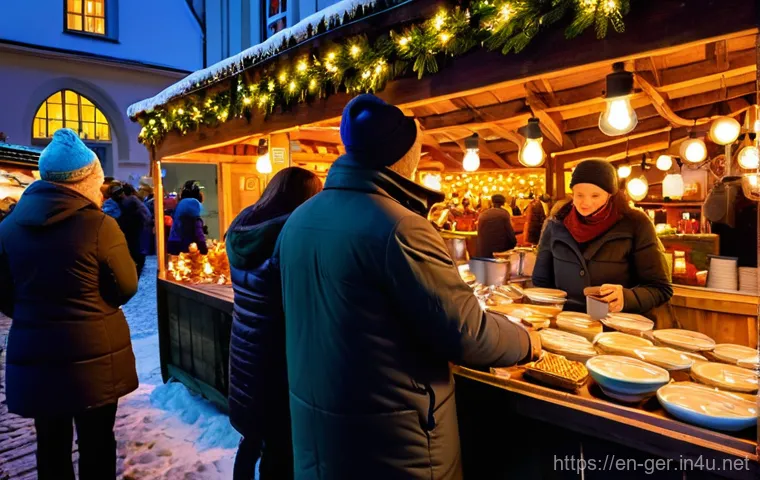
There’s a special kind of magic that pulses through Germany as the festive season approaches, and nowhere is it more evident than in its Weihnachtsmärkte.
When I first experienced them, I was genuinely swept off my feet. Of course, cities like Nuremberg and Dresden are famous for a reason, and you absolutely should visit if you can, but let me tell you, don’t overlook the smaller, regional markets.
I remember one year, I decided to take a train to a tiny town in the Black Forest, and what I found was pure enchantment. The market wasn’t huge, but every stall felt handcrafted, every seller was genuinely happy to chat, and the entire atmosphere was simply brimming with genuine local spirit.
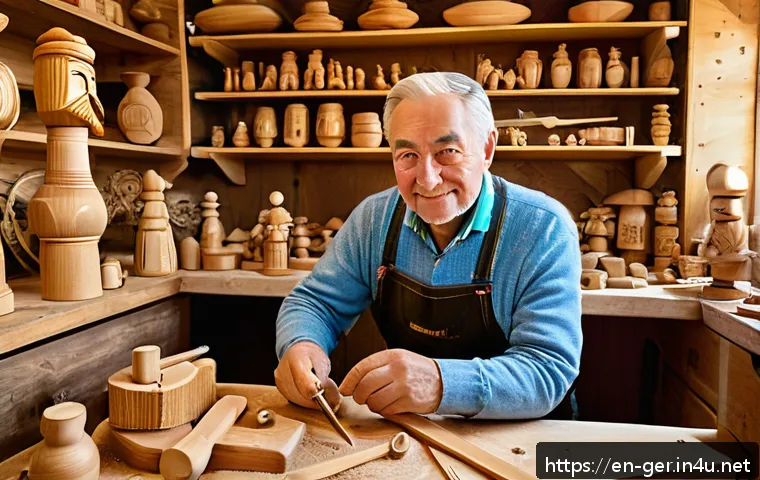
It wasn’t about the grandeur; it was about the authenticity. These smaller markets often have unique regional crafts you won’t find anywhere else, from intricate wooden carvings to hand-blown glass ornaments, and honestly, they tell a deeper story of German tradition.
My advice? Mix the big with the small. Allow yourself to wander without a plan, because sometimes the most unforgettable memories are made when you stumble upon an unexpected gem, tucked away in a cobblestone square, glistening under a canopy of fairy lights.
It’s those moments that truly stick with you, making your trip uniquely yours.
The Art of Savoring Glühwein and More
You simply cannot visit a German Christmas market without indulging in Glühwein – it’s practically a rite of passage! For me, holding that steaming mug, feeling the warmth seep into my fingers on a crisp winter evening, is synonymous with the German holiday experience.
I’ve tried countless variations over the years, from the classic red wine spiced with cinnamon and cloves to the lighter, fruity white Glühwein, and even the non-alcoholic Kinderpunsch, which is just as delightful.
My personal favorite? The fiery *Feuerzangenbowle*, a potent concoction where a rum-soaked sugarloaf is set ablaze and drips into the mulled wine below.
It’s not just a drink; it’s a spectacle! But don’t stop there. You’ll find a whole array of heartwarming beverages.
Think creamy Eierpunsch (egg liqueur punch), often served with a dollop of whipped cream, or warm Apfelwein (apple wine) from the Frankfurt region. Each sip tells a story, each vendor seems to have their own secret recipe, and part of the fun is trying them all!
Just remember to keep an eye out for the unique mugs, as many markets have their own collectible designs, which you can either return for a deposit or keep as a charming souvenir of your festive journey.
A Culinary Journey Through Germany’s Festive Flavors
Indulging in Traditional Yuletide Treats
If your taste buds aren’t tingling from the scent of roasted almonds and sizzling sausages as you walk through a German Christmas market, then you might just be missing out on one of the greatest pleasures of the season!
For me, the food is half the reason to visit. You absolutely have to try a hearty Bratwurst, hot off the grill, nestled in a crusty roll with a generous dollop of mustard.
And speaking of savory, the Kartoffelpuffer (potato pancakes) served with applesauce or sour cream are an absolute revelation – crispy on the outside, tender on the inside, and pure comfort on a cold day.
I distinctly remember one evening in Cologne, standing by the Dom, devouring a steaming plate of these, feeling perfectly content. But the real stars, for me, are often the more regional specialties.
In Bavaria, you might find *Schupfnudeln* (potato noodles) with sauerkraut, while in other areas, *Dampfnudeln* (steamed dumplings) with vanilla sauce are a sweet, pillowy dream.
Don’t be shy; ask the locals what their favorites are. You might just discover your new go-to winter snack!
From Savory Delights to Sweet Masterpieces
Now, let’s talk sweets, because German Christmas treats are in a league of their own. Forget your diet for a few days; it’s the holidays! The aroma of freshly baked Lebkuchen (gingerbread) is intoxicating, and I’ve spent more than a few Euros carefully selecting intricate, heart-shaped pieces to take home.
Then there’s Stollen, the quintessential German Christmas cake, rich with dried fruit, nuts, and marzipan, dusted generously with powdered sugar. Every family seems to have their own revered recipe, and I’ve been lucky enough to try some homemade versions that put store-bought ones to shame.
And for something a little different, keep an eye out for *Zimsterne* (cinnamon stars) or *Vanillekipferl* (vanilla crescent cookies), delicate little morsels that melt in your mouth.
Honestly, I’m a bit of a cookie fiend during this season, and the sheer variety is astounding. From candied nuts (Gebrannte Mandeln) that fill the air with their sweet, caramelized scent, to crispy Apfelküchle (apple fritters), there’s a sweet treat for every craving.
It’s truly a feast for the senses, and I encourage you to sample as much as your stomach allows! Here’s a quick guide to some must-try German Christmas market delights:
| Food Item | Description | Typical Cost (approx. in Euros) |
|---|---|---|
| Bratwurst | Grilled sausage in a bun, often with mustard | €3.50 – €5.00 |
| Glühwein | Mulled wine (red or white) | €3.00 – €4.50 (plus €2-€4 mug deposit) |
| Kartoffelpuffer | Crispy potato pancakes, served with applesauce or sour cream | €4.00 – €6.00 |
| Lebkuchen | Gingerbread cookies, often heart-shaped and decorated | €2.00 – €8.00 (depending on size/decoration) |
| Gebrannte Mandeln | Candied almonds, often cinnamon-roasted | €4.00 – €6.00 per bag |
| Stollen | Traditional German Christmas cake with fruit and marzipan | €10.00 – €25.00 (for a whole loaf) |
Embracing Gemütlichkeit: The German Art of Cozy Holiday Cheer
Unwinding with Beloved Festive Traditions
“Gemütlichkeit” – it’s one of those untranslatable German words that truly embodies the spirit of their holiday season. It’s more than just coziness; it’s a feeling of warmth, comfort, goodwill, and belonging.
I’ve come to appreciate this concept so much, especially during the colder months. Beyond the bustling markets, Germans truly excel at creating a sense of intimate, homely cheer.
Think flickering candles, crackling fireplaces, and soft blankets. It’s about slowing down, savoring moments with loved ones, and appreciating the simple joys.
I remember an evening spent with a German family in Bavaria, where we simply sat, drank warm cider, and listened to old Christmas carols. There was no pressure to entertain or be entertained; just a quiet, comfortable togetherness.
It felt like a warm hug for the soul, a true escape from the usual holiday frenzy. Many families have their own cherished traditions, like baking cookies together (Plätzchen backen) or opening an Advent calendar each day, building anticipation for Christmas Eve, which is when presents are typically exchanged.
These moments, steeped in tradition and genuine connection, are what Gemütlichkeit is all about.
The Warmth of German Hospitality
One thing that always strikes me when I travel through Germany during the holidays is the incredible warmth and genuine hospitality you encounter. It’s not always overtly demonstrative, but it’s there, a steady undercurrent of kindness and welcome.
From the friendly smiles of market vendors to the helpfulness of strangers when you’re navigating public transport, I’ve always felt a sense of ease and belonging.
I recall one particularly chilly afternoon when I was a bit lost in a small town, and an elderly woman, noticing my confused look, went out of her way to walk me to the correct tram stop, even offering me a hot chocolate to warm up.
It’s these small, unexpected acts of generosity that truly define the spirit of the season and leave a lasting impression. German culture places a high value on respect and community, and during Christmas and New Year’s, this truly shines through.
Whether you’re staying in a cozy guesthouse or just stopping for a coffee, you’ll often find a level of attentiveness and genuine care that makes you feel right at home, even thousands of miles away.
It’s a wonderful reminder that the holiday spirit is universal, and deeply felt here.
Ringing in the New Year: Silvester Celebrations German Style
Joining the Grand Public Festivities
While Christmas in Germany is typically a more subdued, family-focused affair, Silvester (New Year’s Eve) is when the country truly erupts in joyous celebration!
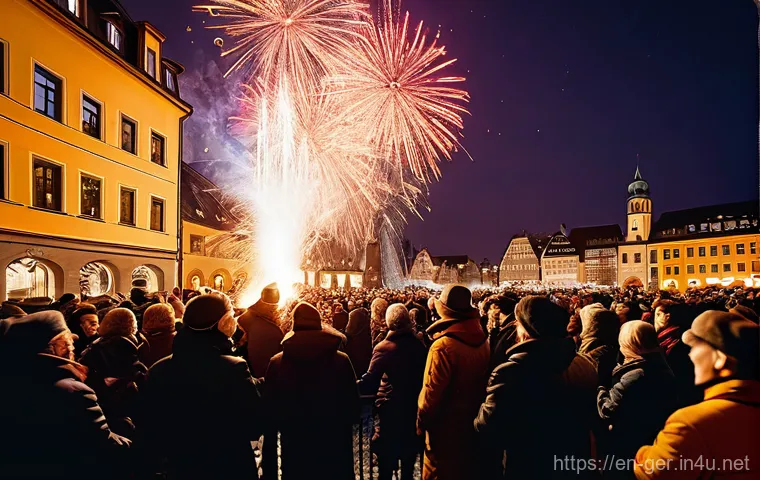
If you’re looking for an unforgettable party atmosphere, Germany really delivers. The biggest spectacles, of course, are in cities like Berlin, where hundreds of thousands gather around the Brandenburg Gate for Europe’s largest open-air New Year’s party, complete with live music, food stalls, and an absolutely breathtaking fireworks display at midnight.
I’ve been there, and the energy is just electric; everyone is in high spirits, counting down to the new year together. But it’s not just Berlin. Munich, Hamburg, and Cologne also host massive fireworks shows and public gatherings.
Even in smaller towns, you’ll find people spilling into the streets, lighting their own private fireworks – be prepared for a bit of a racket, but it’s all part of the fun!
People toast with *Sekt* (German sparkling wine) and wish each other “Guten Rutsch!” (a good slide into the New Year) as the clock ticks towards midnight.
It’s a collective explosion of optimism and excitement, a truly memorable way to usher in a fresh start.
Unveiling Quirky New Year’s Superstitions
Beyond the grand fireworks and public parties, Germans also have some wonderfully quirky traditions and superstitions surrounding Silvester, all aimed at bringing good luck for the coming year.
My personal favorite, and one I’ve actually tried, is *Bleigiessen* (lead pouring). You melt small pieces of lead (or nowadays, more often tin) over a flame and then quickly drop the molten metal into a bowl of cold water.
The shape it forms is then interpreted to predict your fortune for the new year. A heart shape might mean love, a ball could signify wealth, and so on.
It’s a fun, communal activity that always sparks a lot of laughter and creative interpretations. Another charming tradition is to eat *Karpfen* (carp) on New Year’s Eve, and then keep a scale from the fish in your wallet for good luck and prosperity.
And if you’re out and about, you might see people giving each other small marzipan pigs or lucky pennies (*Glückspfennig*) as tokens of good fortune. It’s these charming, often playful, customs that add another layer of depth and fun to the New Year’s celebrations, making them feel truly unique and memorable.
Beyond the Market Stalls: Unique Winter Experiences
Exploring Festive Towns Off the Beaten Path
While the major cities certainly have their allure during the holidays, some of my most cherished German winter memories come from exploring the smaller, lesser-known towns.
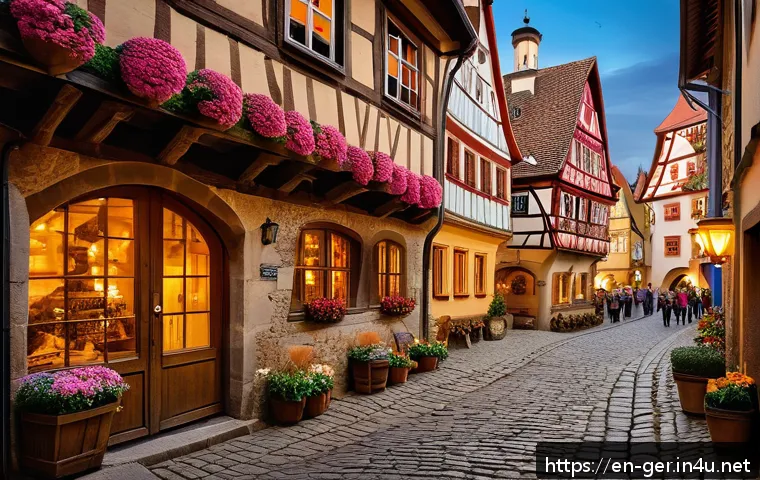
These places often retain an incredibly authentic, almost fairytale-like charm that can get a little lost in the larger, busier markets. Imagine cobbled streets, half-timbered houses dusted with snow, and a quiet market square that feels like stepping back in time.
Towns like Rothenburg ob der Tauber, though popular, truly lean into their medieval Christmas heritage. But then there are places even smaller, perhaps in the Harz Mountains or along the Romantic Road, where the pace is slower, and you can truly soak in the tranquil beauty of a German winter.
I once spent a day in Monschau, a picturesque town nestled in a valley, and its tiny Christmas market, set against the backdrop of historic stone bridges and a flowing river, was absolutely breathtaking.
It felt like discovering a secret, a perfectly preserved piece of holiday magic. Taking a regional train or renting a car to explore these hidden gems can transform your trip from a typical tourist experience into a deeply personal adventure, uncovering the heart and soul of Germany’s festive spirit.
Adventurous Escapes and Winter Activities
Germany in winter isn’t just about markets and festive food; it also offers a fantastic array of outdoor activities for those who love a bit of adventure.
If you’re anything like me and enjoy embracing the chill, you’ll find plenty to do. The country boasts numerous stunning regions perfect for winter sports.
Think of the Bavarian Alps, offering everything from skiing and snowboarding to exhilarating toboggan runs. Even if you’re not a hardcore skier, simply taking a cable car up a snowy peak for panoramic views is an experience not to be missed.
I remember a truly invigorating hike through a snow-covered forest near Garmisch-Partenkirchen, the silence broken only by the crunch of snow beneath my boots and the crisp winter air filling my lungs.
Many towns also offer outdoor ice skating rinks, which are a delightful way to spend an afternoon, often accompanied by festive music and hot drinks. For a more relaxing experience, consider visiting one of Germany’s many thermal baths (*Thermen*).
Imagine soaking in warm, mineral-rich waters while snowflakes gently fall around you – pure bliss and an incredible way to unwind after a day of sightseeing.
It’s about finding that perfect balance between festive indulgence and active exploration.
Crafting Your Perfect German Holiday Escape: Insider Tips
Smart Planning for Seamless Travel
Planning a trip to Germany during the peak holiday season definitely requires a little foresight, but trust me, it’s entirely worth the effort. My biggest piece of advice is to book your accommodations and major train tickets well in advance.
Hotels, especially in popular market cities like Munich, Cologne, or Nuremberg, fill up incredibly fast and prices can climb significantly closer to the dates.
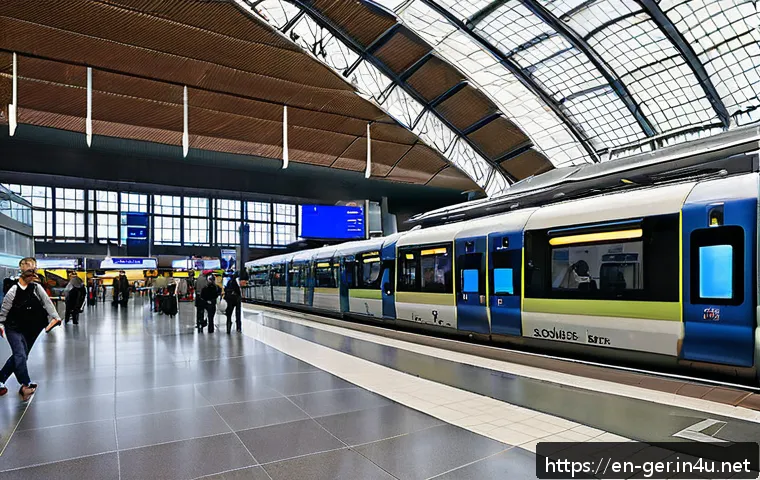
I learned this the hard way once, scrambling to find a last-minute room, so now I always aim to have my bookings squared away by late summer. When it comes to getting around, Germany’s train system, Deutsche Bahn, is usually very efficient.
Consider purchasing a *BahnCard* if you plan extensive travel, or look into regional passes. For international flights, booking a few months out can save you a pretty penny too.
Don’t forget travel insurance; it’s a small expense that can save you a huge headache if any unexpected hiccups occur. Also, remember that most shops are closed on Christmas Eve afternoon, Christmas Day, Boxing Day, and New Year’s Day, so plan your shopping and errands accordingly.
A little preparation goes a long way in ensuring a stress-free and magical holiday.
Mastering Your Holiday Budget in Euros
Navigating your finances during a German holiday can be surprisingly manageable if you have a few tricks up your sleeve. Germany uses the Euro (€), and while some things might seem pricey, there are definitely ways to enjoy the festive season without breaking the bank.
For market food and drinks, plan on around €10-€15 per person for a satisfying meal and a drink or two. Souvenirs can range widely, from a few Euros for a small ornament to much more for handcrafted items.
I’ve found that eating one main meal at a market, often more affordable and just as delicious as a restaurant, can significantly cut down on costs. Many places accept credit cards, but it’s always a good idea to carry some cash, especially for smaller market stalls or public restrooms (often €0.50-€1.00).
Tipping is customary but not as extensive as in the US; rounding up your bill or leaving 5-10% in restaurants is generally appreciated. Consider purchasing a city pass if you plan on visiting many museums or attractions, as these often include public transportation and can offer great savings.
By being mindful of these small details, you can stretch your Euros further and truly indulge in the holiday spirit without constant worry.
Making Memories: Capturing the Magic
Photography Pointers for Picture-Perfect Moments
You’ll definitely want to capture the sheer beauty and enchantment of a German Christmas and New Year’s, and with a few simple tips, your photos can truly reflect the magic you’re experiencing.
My number one piece of advice? Embrace the low light! The markets are most atmospheric in the evenings, with all the twinkling lights and soft glows.
Instead of using a harsh flash, try to rely on the natural ambient light. If your phone or camera has a “night mode” or allows for manual settings, experiment with a slightly higher ISO and a wider aperture to let in more light without blowing out the highlights.
I’ve found that shooting just after sunset, during “blue hour,” provides a stunning backdrop of deep blue skies that makes the warm market lights pop.
Don’t forget to capture the details: the steam rising from a Glühwein mug, the intricate carvings on a wooden toy, the joyful expressions on people’s faces.
And for those iconic city shots, look for reflective surfaces like wet cobblestones or puddles after a light rain – they can add an incredible dimension to your photographs.
Remember, the best camera is the one you have with you, so don’t stress too much about gear; focus on composition and capturing the feeling.
Bringing a Piece of Germany Home
After experiencing the incredible festive season in Germany, you’ll undoubtedly want to take a piece of that magic home with you, and thankfully, there are so many wonderful souvenirs to choose from!
Beyond the usual magnets and keychains, the markets are treasure troves of unique, handcrafted items. I always make sure to pick up a few delicate glass ornaments; the craftsmanship is just stunning, and they bring a little bit of German charm to my own Christmas tree every year.
Wooden toys, especially those from the Erzgebirge region, are another fantastic option, from nutcrackers to incense smokers (*Räuchermännchen*). And of course, don’t forget the edible souvenirs!
A carefully packaged Lebkuchen, some traditional Stollen, or even a few packets of festive German tea or spices can bring the taste of Germany into your home long after the trip is over.
For something truly unique, look for specific regional crafts – perhaps a beer stein if you were in Bavaria, or some local pottery. These aren’t just trinkets; they’re tangible memories, each one telling a story of your unforgettable journey through Germany’s enchanting holiday season.
Wrapping Up Our Festive Journey
As we wrap up this exploration of Germany’s incredible holiday season, I hope you’ve felt a little bit of the warmth and wonder that awaits. From the twinkling lights of the Christmas markets to the spirited celebrations of Silvester, it’s truly a time when Germany comes alive with a unique blend of tradition, joy, and that inimitable “Gemütlichkeit.” My own memories of these festive weeks are some of my most cherished, filled with the aroma of Glühwein, the taste of Lebkuchen, and the genuine smiles of locals. It’s more than just a trip; it’s an immersion into a culture that truly knows how to celebrate the spirit of togetherness, creating memories that linger long after the last snowflake has fallen.
Handy Tips for Your German Winter Adventure
1. Book Early, Especially Accommodation: Germany’s popular cities and charming small towns see a huge influx of visitors during the Christmas market season and for New Year’s. To secure your preferred hotels and potentially better prices, aim to book several months in advance. This also applies to major train routes if you have specific travel dates in mind. Waiting until the last minute can leave you with fewer options and higher costs, which nobody wants when planning a magical getaway, so a little foresight goes a long way to ensure a seamless experience.
2. Carry Some Cash (Euros): While credit cards are widely accepted in larger stores and restaurants, many smaller Christmas market stalls, local bakeries, and even some public restrooms prefer or only accept cash. Having a stash of €5, €10, and €20 notes will make your market experience much smoother and help avoid any awkward moments when trying to pay for that delicious Bratwurst or a unique handcrafted souvenir. It’s just good practice when traveling through festive markets and smaller establishments across Germany.
3. Embrace Public Transportation: Germany boasts an excellent and incredibly efficient public transportation system, including trains (Deutsche Bahn), trams, and buses. Especially in larger cities, it’s often the easiest, most enjoyable, and most eco-friendly way to get around, completely avoiding parking hassles and allowing you to indulge in a Glühwein or two without worrying about driving. Look into day passes or regional tickets if you plan on exploring extensively within a city or specific region, as these can offer great value.
4. Layer Up for Comfort: German winters, while absolutely beautiful with their crisp air and often snowy landscapes, can be quite cold, especially in the evenings when you’ll be spending a lot of time outdoors at the markets. Think in layers: thermal underwear, warm sweaters, a good waterproof and windproof coat, a hat, gloves, and a scarf are absolute essentials. Trust me, staying warm will make your experience infinitely more enjoyable, allowing you to linger longer and truly savor those enchanting market atmospheres without distraction.
5. Learn a Few German Phrases: While most Germans in tourist areas speak excellent English, making an effort to use a few basic German phrases like “Bitte” (please), “Danke” (thank you), “Guten Tag” (good day), and “Frohe Weihnachten” (Merry Christmas) can go a long way. It shows respect for the local culture and can often lead to even warmer interactions and a more authentic, memorable experience with vendors and locals alike. They truly appreciate the effort, even if your pronunciation isn’t perfect!
Key Takeaways
Ultimately, a German holiday escape is about more than just visiting markets; it’s an immersive journey into centuries-old traditions, heartwarming hospitality, and unforgettable sensory delights. From savoring spicy Glühwein to marveling at intricate crafts, and from the quiet charm of smaller towns to the exhilarating energy of Silvester, Germany offers a truly unique way to celebrate the most wonderful time of the year. It’s an experience that stays with you, leaving behind a treasure trove of memories and a longing to return to its festive embrace.
Frequently Asked Questions (FAQ) 📖
Q: When’s the absolute best time to soak in those magical German Christmas markets, and what’s the vibe really like?
A: Oh, this is hands-down one of my favorite questions, and honestly, the answer comes straight from my heart! If you’re dreaming of that quintessential German Christmas market experience, I’d tell you to aim for the last week of November through to around December 20th.
That sweet spot lets you bypass the absolute peak crowds of the final few days before Christmas, yet everything is in full, glorious swing. I remember one year, I ventured out right at the end of November, and it felt like stepping into a real-life fairytale – the crisp air, the scent of cinnamon and roasted almonds, and those twinkling lights!
You’ll find the markets bustling, but not overwhelmingly so, especially if you visit on a weekday afternoon. Expect a wonderfully cozy atmosphere, people laughing over their steaming mugs of Glühwein, and vendors showcasing exquisite handcrafted ornaments.
It’s less about frantic shopping and more about simply being there, savoring the warmth, the sounds, and the unforgettable festive cheer. Trust me, it’s a feeling you’ll want to bottle up and keep!
Q: I’m planning to stay through New Year’s Eve – what’s Silvester in Germany truly like, and how can I join the celebrations?
A: Staying for Silvester (that’s New Year’s Eve in Germany!) is a fantastic idea; it’s a completely different kind of energy compared to Christmas, but equally unforgettable.
From my own experiences, it’s a wonderfully spirited night, often marked by massive fireworks displays! While many cities organize impressive public fireworks shows – Berlin at the Brandenburg Gate comes to mind as absolutely iconic, drawing huge crowds and live music – you’ll also notice a strong tradition of individuals setting off their own fireworks from balconies and streets.
It creates this incredible, somewhat chaotic but utterly joyous atmosphere across neighborhoods, especially as midnight strikes. If you’re looking for something a bit more organized, consider booking a special Silvester dinner at a restaurant or a party at a local bar or club, which often include a champagne toast.
I’ve personally enjoyed both the grandeur of public displays and the intimate charm of watching fireworks burst over a smaller town while holding a glass of Sekt.
Just remember to book everything well in advance – especially if you have a specific restaurant or event in mind – because spots fill up incredibly fast!
And a little insider tip: look out for traditional lucky charms like small marzipan pigs or chimney sweeps, which Germans often exchange for good fortune in the new year.
Q: This sounds amazing, but I’m worried about the cost.
A: ny savvy tips for budgeting a German year-end holiday without sacrificing the magic? A3: I totally get that concern; planning a dream trip often comes with thinking about the budget, but you absolutely don’t have to break the bank to have an incredible time in Germany during the holidays!
From my own travels, I’ve learned a few tricks. First off, accommodation is usually the biggest cost, especially around Christmas and New Year’s. My golden rule?
Book early! Like, really early – think 6-9 months in advance if you can. You’ll find better deals on hotels, apartments, or even charming guesthouses this way.
When it comes to the Christmas markets themselves, the entry is usually free, which is wonderful! You can easily enjoy the ambiance without spending a fortune.
I usually set a daily budget for food and drinks at the markets – a Glühwein will set you back about €3-5 (plus a deposit for the mug, which you get back!), and a delicious Bratwurst or currywurst is similarly priced.
Focus on street food, which is affordable and delicious! For getting around, Germany’s public transport is excellent. Consider a rail pass if you plan on visiting multiple cities, or local day tickets within cities.
And here’s a tip I live by: explore during the day! Many museums and attractions are open, and you can enjoy the festive decorations without the evening rush or higher costs associated with nighttime events.
You can absolutely savor the unique charm of Germany at this time of year without draining your wallet if you plan strategically and embrace the local, more budget-friendly experiences.