Buying electronics in Germany can be an exciting experience, but it also comes with its own set of considerations. From voltage compatibility and warranty policies to understanding the local consumer rights, there’s more than meets the eye.
Prices may vary compared to other countries, and knowing where to shop smartly can save you a lot. Plus, with the rise of eco-friendly tech, Germany’s market has unique options worth exploring.
If you want to navigate this smoothly and make informed choices, I’ll walk you through the essentials. Let’s dive into the details below!
Understanding Voltage and Plug Compatibility in Germany
Voltage Standards You Need to Know
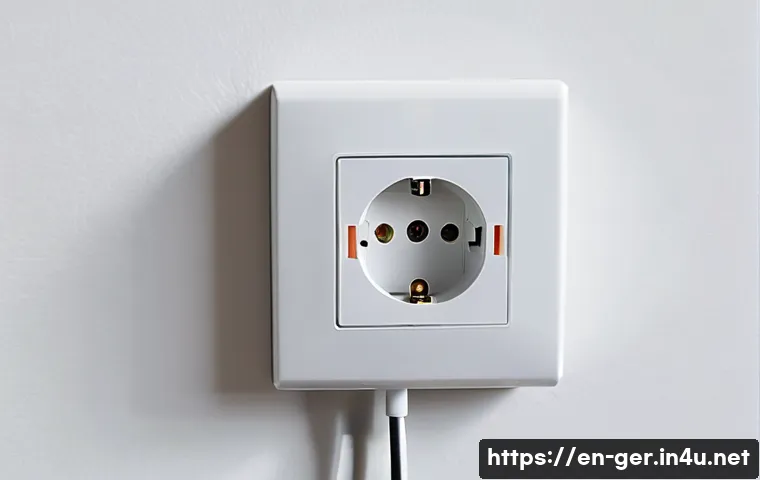
When shopping for electronics in Germany, one of the first technical details to check is the voltage standard. Germany operates on a 230V supply voltage with a frequency of 50Hz.
If you’re coming from a country like the United States, where 110V is common, your devices might not be compatible without a voltage converter. I remember buying a small kitchen appliance here, and I had to double-check the label to make sure it could handle 230V.
Ignoring this could lead to damaging your gadget or even causing electrical hazards. Always verify the voltage rating on your device or look for dual voltage options, especially for travel-friendly electronics like chargers and laptops.
Plug Types and Adapters
Germany uses Type F plugs, which feature two round pins and grounding clips on the side. If your device’s plug looks different, you’ll need an adapter to fit into German sockets.
Adapters are widely available at airports, electronics stores, or online, but I recommend getting one beforehand to avoid paying a premium. Interestingly, some hotels or accommodations provide universal sockets, but it’s better not to take chances.
Also, keep in mind that adapters do not convert voltage; they only allow the physical connection. So, combining voltage compatibility with the right plug adapter is crucial to keep your electronics safe and functional.
Portable Chargers and Power Banks
Portable power banks are a lifesaver, especially when you’re on the go in a foreign country. In Germany, most power banks sold comply with the standard voltage and charging protocols, but it’s smart to buy from reputable brands to avoid issues with charging speeds or safety.
I once grabbed a budget power bank from a discount store, and it ended up overheating after a few uses. Stick to certified products with good reviews and check for features like USB-C Power Delivery, which ensures faster and more efficient charging of modern devices.
Warranty and Return Policies You Shouldn’t Overlook
Standard Warranty Periods in Germany
One of the advantages of purchasing electronics in Germany is the strong consumer protection laws. Typically, products come with a two-year warranty by law, which covers defects existing at the time of purchase.
From my experience, this warranty is quite reliable, and many retailers honor it without hassle. However, it’s important to keep your receipt or proof of purchase safe because you’ll need it to claim warranty service.
Also, be aware that wear and tear or accidental damage usually aren’t covered under the standard warranty.
Return Window and Conditions
If you change your mind about a purchase or find a defect, German stores generally allow returns within 14 days for online purchases thanks to the EU consumer rights directive.
In physical stores, return policies can vary, so ask beforehand. I recall buying a gadget that wasn’t quite what I expected, and the shop allowed me to return it without fuss, but they did request the original packaging and receipt.
Always inspect the product thoroughly before leaving the store to avoid surprises.
Extended Warranty Options
For more peace of mind, many retailers offer extended warranties for an additional fee. These can cover accidental damage or extend the warranty beyond the statutory period.
I’ve personally found these useful for expensive electronics like laptops or cameras. Just make sure to read the terms carefully, as some extended warranties have exclusions or require registration within a short time after purchase.
Sometimes, credit card companies also offer extra warranty coverage if you pay with their card, so it’s worth checking those benefits too.
Smart Shopping: Where and When to Buy Electronics
Popular Retailers and Online Marketplaces
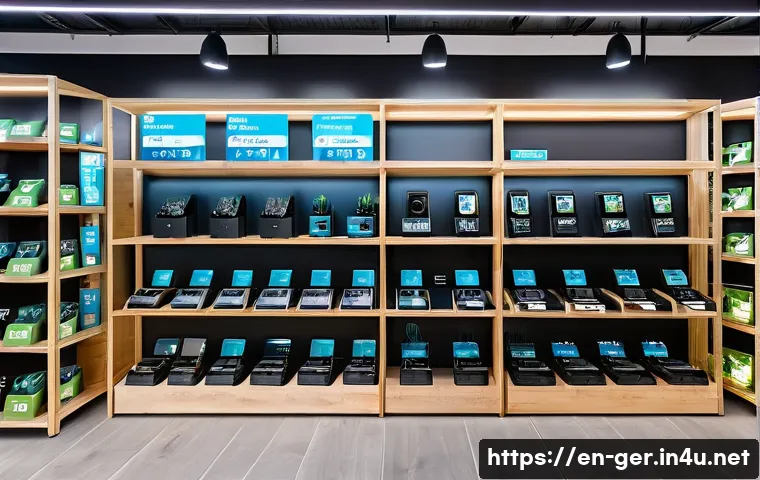
Germany has a mix of brick-and-mortar electronics stores and robust online platforms. Big chains like MediaMarkt and Saturn are well-known and offer a wide range of products with the chance to see items in person.
For online shopping, Amazon.de and notebooksbilliger.de provide competitive pricing and customer reviews that can help you decide. I personally prefer to check physical stores first to test the device and then compare prices online before making a final decision.
This way, I avoid impulse buys and get the best deal.
Timing Your Purchase for the Best Deals
Seasonal sales and special shopping events like Black Friday, Cyber Monday, and the Christmas season bring significant discounts on electronics in Germany.
Another less known but useful period is the “Back to School” season when laptops, tablets, and accessories often go on sale. I’ve snagged some great deals during these times by planning ahead and setting price alerts.
Also, keep an eye on clearance sales when stores want to make room for newer models; you might find last year’s gadgets at a bargain price.
Price Comparison and Negotiation Tips
Before buying, it’s wise to compare prices across different platforms and stores. Apps and websites like Idealo or Geizhals are fantastic for price comparisons in Germany.
When shopping in physical stores, don’t hesitate to ask for discounts, especially if you’re buying multiple items or paying in cash. I’ve found that some stores offer price matching or small freebies if you politely inquire.
Remember, being informed about current market prices gives you an edge when negotiating or deciding the best place to purchase.
Consumer Rights and Legal Protections Explained
Return Rights for Online Purchases
One of the best protections for consumers in Germany is the right to cancel an online order within 14 days without giving a reason. This “Widerrufsrecht” or withdrawal right allows you to return unopened or even used products and get a full refund.
I’ve used this right myself when an online gadget didn’t meet my expectations. Just be sure to notify the seller within the time limit and keep all packaging intact for a smooth return process.
It’s a consumer-friendly policy that adds confidence to buying electronics online.
Guarantee vs Warranty: What’s the Difference?
In Germany, a warranty (Gewährleistung) is mandatory and lasts for two years, covering faults present at the time of sale. A guarantee (Garantie), on the other hand, is voluntary and offered by the manufacturer or seller as an additional promise of quality.
From my experience, guarantees often come with better service or longer coverage but always check the fine print. Knowing this distinction helps you understand your rights better and what to expect when dealing with repairs or replacements.
Handling Defective Products and Repairs
If your electronic product turns out to be defective, you have the right to demand repair, replacement, or even a refund within the warranty period. In practice, many retailers prefer to repair or replace first.
I once had a smartphone with a faulty battery, and the store replaced it without much fuss. However, if the retailer is uncooperative, consumer advice centers (Verbraucherzentrale) can help mediate disputes.
Also, some products may have authorized service centers, so always check the manufacturer’s instructions for repairs.
Exploring Eco-Friendly Tech Options Available Locally
Brands Focused on Sustainability
Germany’s market has seen a growing presence of eco-friendly electronics brands that emphasize sustainability, energy efficiency, and recyclability. Brands like Fairphone, which promotes modular phones designed for easy repair and longer use, have gained popularity.
I’ve tried Fairphone myself, and it’s refreshing to use a device that not only performs well but also aligns with environmental values. Supporting these brands helps reduce electronic waste and encourages manufacturers to adopt greener practices.
Energy Efficiency Labels and Certifications
When buying electronics in Germany, look out for energy efficiency labels like the EU Energy Label, which rates products from A+++ (most efficient) to D (least efficient).
This label is mandatory for many appliances and can significantly impact your electricity bill over time. I tend to choose products with at least an A rating, especially for high-consumption items like refrigerators and washing machines.
Additionally, certifications such as Blue Angel indicate environmentally friendly production and disposal practices, which are worth considering if sustainability matters to you.
Recycling and Disposal Programs
Germany has one of the most advanced electronic waste recycling systems globally. When purchasing new devices, many stores offer take-back services for your old electronics at no extra cost.
I always bring my outdated gadgets to these programs instead of throwing them away, knowing they’ll be responsibly recycled or refurbished. This system not only helps the environment but also prevents hazardous materials from polluting.
Some cities also provide special collection points or events for electronic waste, so it’s easy to participate in eco-friendly disposal.
Comparing Prices and Features: What to Expect
Price Differences Between Germany and Other Countries
Electronics prices in Germany can be quite competitive, but they sometimes run higher than in countries with lower VAT or less strict regulations. For instance, the standard VAT in Germany is 19%, which is included in the retail price.
From my own comparison, I’ve noticed that gadgets like smartphones or laptops might be slightly more expensive here than in the US or Asia. However, the price difference often reflects better consumer protections and warranty services, so it’s a trade-off worth considering.
Feature Variations in Local Models
Some electronics sold in Germany come with features tailored to the European market, such as language options, power adapters, or regional software settings.
I once bought a smart home device that included German language support and compatibility with local smart assistants, which made daily use much easier.
On the other hand, some international versions might lack these localized features or require additional setup, so always check the product specifications closely before purchasing.
Summary Table of Key Considerations When Buying Electronics in Germany
| Aspect | Details | Tips |
|---|---|---|
| Voltage | 230V / 50Hz standard | Check device compatibility or use a converter |
| Plug Type | Type F with round pins | Bring or buy appropriate adapters |
| Warranty | 2 years statutory warranty | Keep receipts; consider extended warranty |
| Return Policy | 14-day right for online purchases | Inspect products; keep original packaging |
| Eco-Friendly Options | Brands like Fairphone; energy labels | Choose certified products; recycle old electronics |
| Price Considerations | Prices include 19% VAT; may be higher than other countries | Compare prices; shop during sales |
Tips for Maximizing Value When Buying Electronics
Leveraging Cashback and Reward Programs
Many German retailers and online stores offer cashback deals or loyalty points that can help you save money over time. I’ve signed up for a few reward programs that give me discounts on future purchases or exclusive offers.
Additionally, some credit cards provide cashback on electronics purchases, so it’s smart to check your payment options. These little extras might seem minor but can add up significantly, especially if you’re buying multiple gadgets or higher-priced items.
Checking Reviews and User Feedback
Before committing to a purchase, I always spend time reading user reviews and watching video unboxings or tests. Websites like Trusted Reviews or YouTube tech channels provide detailed insights that aren’t always obvious from product descriptions.
Real user feedback can highlight hidden issues like durability problems or software quirks. It’s a habit I developed after a disappointing purchase years ago, and now I rarely regret a tech buy.
Considering Refurbished or Secondhand Options
For budget-conscious shoppers or those wanting to reduce environmental impact, refurbished electronics sold by certified dealers can be a fantastic option.
I once bought a refurbished smartphone that looked and functioned almost like new but cost significantly less. German marketplaces like eBay Kleinanzeigen or specialized refurbishers offer these options with warranty coverage.
Just be cautious and verify the seller’s reputation to avoid scams or defective products.
Conclusion
Buying electronics in Germany can be a smooth and rewarding experience when you understand the voltage standards, plug types, and local consumer protections. Being informed about warranties, return policies, and eco-friendly options helps you make smart choices that fit your needs. With careful planning and a bit of research, you can enjoy great products while avoiding common pitfalls. Ultimately, knowing these essentials will save you time, money, and hassle.
Useful Information to Keep in Mind
1. Always check if your device supports 230V and 50Hz or if you need a voltage converter to avoid damage.
2. Bring or buy the correct Type F plug adapter before arriving to prevent paying extra or struggling with incompatible sockets.
3. Keep all receipts and original packaging, especially for warranty claims or returns within the 14-day window.
4. Look out for seasonal sales like Black Friday or Back to School to snag the best deals on electronics.
5. Consider eco-friendly brands and recycling programs to reduce your environmental impact while enjoying modern technology.
Key Takeaways for Buying Electronics in Germany
Understanding Germany’s 230V electrical system and the need for Type F plug adapters is essential to keep your devices safe and functional. The country’s strong consumer protection laws provide a two-year warranty and a 14-day return right for online purchases, so always keep proof of purchase and inspect products carefully. Shopping smart means comparing prices, timing your purchase around sales, and reading reviews to avoid buyer’s remorse. Additionally, supporting sustainable tech options and responsibly recycling old electronics contributes to a greener future. By following these guidelines, you can confidently navigate the German electronics market and make the most of your investment.
Frequently Asked Questions (FAQ) 📖
Q: Are electronic devices bought in Germany compatible with voltages in other countries?
A: Most electronic devices sold in Germany operate on 230V at 50Hz, which is standard across Europe. If you’re coming from a country like the US or Canada, where the voltage is 110-120V, you’ll need to check if the device supports dual voltage.
Many modern gadgets like laptops and phone chargers do, but larger appliances might not. Using a voltage converter or transformer is essential to avoid damage.
I’ve had to double-check this when buying a camera in Berlin, and luckily, it was dual voltage, so no issues abroad.
Q: How does the warranty and consumer protection work when buying electronics in Germany?
A: Germany has strong consumer protection laws, giving you a two-year warranty on most new electronics. This means if your product malfunctions within that period due to manufacturing defects, the seller is obliged to repair or replace it.
From my experience shopping in Munich, the process was straightforward—just keep your receipt and contact the retailer first. Also, be aware that warranty conditions can vary between brands, so it’s smart to read the fine print and register your product if needed.
Q: Where can I find the best deals and eco-friendly electronics in Germany?
A: For the best prices, popular electronics retailers like MediaMarkt and Saturn often run seasonal sales, especially around Black Friday or Christmas. Online platforms such as Amazon.de and Otto.de also offer competitive deals.
Regarding eco-friendly tech, Germany is ahead in promoting sustainable products—brands offering energy-efficient appliances or devices made from recycled materials are increasingly common.
I recently bought a solar-powered charger from a local store in Hamburg, and it’s a great way to combine tech with environmental awareness. Keep an eye out for the Blue Angel eco-label to spot greener options easily.