With the rising cost of living across Europe, many are seeking smart ways to enjoy life in Germany without breaking the bank. Whether you’re a student, expat, or just curious about budget-friendly living, understanding how to balance expenses while maintaining your lifestyle is key.
From affordable housing tips to savvy shopping habits, navigating Germany’s costs doesn’t mean sacrificing comfort or experiences. In this post, I’ll share practical strategies that I’ve personally tested, helping you thrive financially while still soaking in all that Germany has to offer.
Let’s dive into how you can live well here without the stress of overspending.
Mastering Affordable Housing in Germany
Finding the Right Neighborhood Without Overspending
Living comfortably in Germany starts with choosing a neighborhood that fits your budget and lifestyle. From my own experience moving between cities like Berlin and Munich, I realized that looking just outside the city center can save you a significant amount without sacrificing convenience.
Suburban areas or smaller towns connected by efficient public transport often offer better rent prices and a more relaxed atmosphere. For example, in Berlin, neighborhoods like Neukölln or Lichtenberg can be much cheaper compared to Mitte or Prenzlauer Berg, yet still provide easy access to the city’s core.
Taking the time to explore and visit several areas before committing can prevent costly mistakes.
Tips for Securing a Rental in a Competitive Market
Germany’s rental market can be fiercely competitive, especially in popular cities. When I was searching for an apartment, having all my documents ready—proof of income, Schufa credit report, and references—made a huge difference in getting quick approvals.
It’s also helpful to respond promptly to listings and keep communication professional but friendly. Don’t hesitate to attend viewings in person if possible; landlords appreciate genuine interest.
Additionally, considering WG (shared flats) can drastically cut costs, especially for students or newcomers, and can also ease social integration.
How to Negotiate Rent and Lease Terms
Negotiation might feel intimidating, but it’s often possible to discuss rent, especially if you’re staying long-term or moving in during off-peak seasons.
I once negotiated a slight rent reduction by offering to sign a longer lease upfront, which saved me over 100 euros monthly. Also, watch out for utilities included in rent (Warmmiete) versus those billed separately (Kaltmiete).
Clarifying these details upfront helps avoid unexpected bills later.
Smart Grocery Shopping Without Sacrificing Quality
Choosing Where to Shop for the Best Deals
Grocery shopping in Germany can be surprisingly budget-friendly when you know where to go. Discount chains like Aldi, Lidl, and Penny offer great quality staples at low prices, which I found perfect for everyday essentials.
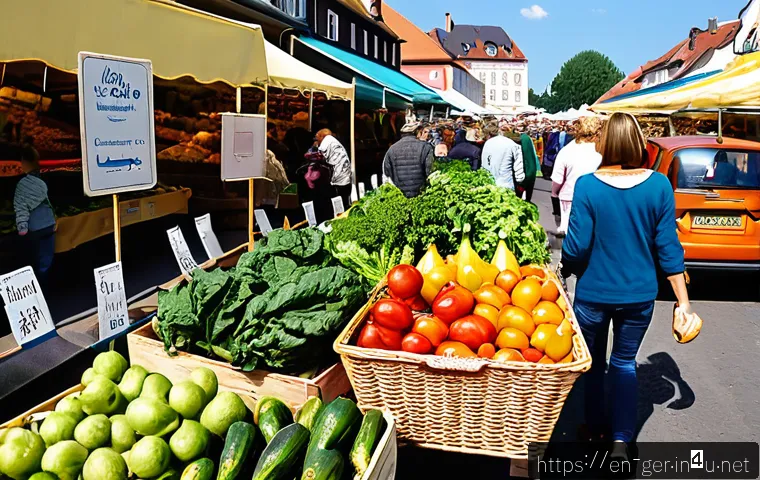
For fresh produce, local Wochenmarkt (weekly farmers’ markets) can be a goldmine, especially towards the end of the day when vendors offer discounts to clear stock.
Organic options might seem pricey at supermarkets, but small local bio shops often have weekly deals or loyalty discounts that make buying organic more feasible.
Planning Meals to Minimize Waste and Costs
Meal planning has been a game changer for me. Preparing a weekly menu and shopping with a list reduces impulse buys and food waste. Leftovers can be creatively reused, for example, yesterday’s roasted veggies becoming today’s frittata filling.
Apps and websites with German recipes often suggest budget-friendly meals that use seasonal ingredients, which are cheaper and tastier. Cooking at home not only saves money but also helps you connect with local culinary culture.
Understanding Labeling and Discounts for Budget Buyers
Learning how to read German food labels can unlock savings. Look out for “MHD” (Mindesthaltbarkeitsdatum), the best-before date, which is not an expiration date.
Many stores discount items close to this date, perfect for immediate consumption or freezing. Additionally, some supermarkets offer “Tegut” or “Bio-Siegel” labels indicating organic quality, and understanding these can help you choose wisely when balancing cost and health.
Efficient Public Transport and Mobility Hacks
Choosing the Best Transport Pass for Your Lifestyle
Germany’s public transport network is extensive and well-connected, but costs can add up without planning. From my daily commute experience, investing in monthly or yearly passes like the “Semesterticket” for students or regional “Jobticket” for employees saves a lot compared to single tickets.
Cities also offer “Umweltkarte” or “Umweltpass” for eco-friendly travel discounts. Evaluating your typical travel radius and frequency helps pick the right pass, minimizing unnecessary expenses.
Alternative Transportation Options to Save Money
Biking is a fantastic, cost-free way to get around, and many German cities have dedicated bike lanes and rental services like Nextbike or Lime scooters for short trips.
Car sharing platforms like Share Now or Flinkster are useful when you need a vehicle occasionally without the cost of ownership. Walking, where possible, is not only free but also a great way to explore neighborhoods and discover hidden gems.
How to Avoid Common Transport Cost Pitfalls
One mistake I’ve seen often is buying single tickets for every journey or ignoring the validity zones of tickets, which can lead to fines. Using apps like DB Navigator or local transit apps helps plan routes and check ticket prices accurately.
Also, some cities offer discounted tickets after certain hours or on weekends, so timing your travel can reduce costs. Combining different transport modes smartly is key to saving money without sacrificing convenience.
Making the Most of Germany’s Free and Low-Cost Entertainment
Exploring Cultural Experiences on a Budget
Germany is rich in cultural offerings that don’t have to be expensive. Museums often have free entry days or reduced prices for students and seniors. I personally enjoy visiting open-air concerts, city festivals, and public parks, which provide great entertainment without a price tag.
Many cities offer “Kulturpass” programs giving discounts on theaters, cinemas, and galleries, which are worth checking out regularly.
Finding Affordable Dining and Social Spots
Eating out can get pricey, but local “Imbiss” stands and small eateries serve authentic German and international dishes at reasonable prices. Weekly specials and “Tagesgerichte” (daily meals) often come at a discount.
Meeting friends at cafés with happy hours or community centers hosting events is another great way to socialize without overspending.
Engaging in Community Activities and Groups
Joining local clubs (Vereine) or hobby groups is not only budget-friendly but also a fantastic way to meet people and integrate. Many sports clubs offer trial periods or reduced fees for newcomers.
Libraries and community centers regularly organize free workshops, language exchanges, and cultural events that enrich your social life while keeping costs low.
Budgeting Utilities and Daily Expenses Wisely
Managing Electricity, Heating, and Internet Costs
Utilities can be a major part of monthly expenses, but simple habits reduce bills significantly. Turning off lights when not in use, using energy-efficient appliances, and regulating heating temperatures made a noticeable difference in my bills.
Comparing providers for electricity and internet annually is crucial since switching can save you hundreds. Many websites allow easy comparison of tariffs based on your consumption patterns.
Saving on Mobile and Communication Plans
Mobile plans in Germany vary widely. I found that prepaid SIM cards or smaller providers like Congstar or Blau offered better deals than major carriers if you monitor your data usage closely.
Bundling internet and mobile services sometimes reduces costs as well. It’s worth reviewing your contract terms annually to avoid being locked into overpriced plans.
Tracking Everyday Spending to Avoid Surprises
Keeping a daily expense log, even a simple app or notebook, helps identify unnecessary costs that add up unnoticed. I was surprised how small purchases like daily coffee or snacks could inflate my monthly expenses.
Setting weekly or monthly spending limits for non-essentials keeps finances under control and makes room for occasional treats without guilt.
Understanding German Taxes and Financial Benefits
Basic Tax Obligations and How They Affect Your Budget
Navigating the German tax system might seem complex, but understanding the basics helps avoid surprises. Income tax rates vary by bracket, and as an expat or freelancer, registering properly with the Finanzamt is essential.
I once underestimated the importance of timely tax declarations, which delayed my refund. Using tax software or consulting with a tax advisor simplifies this process and maximizes your returns.
Exploring Available Social Benefits and Subsidies
Germany offers various benefits like child allowances (Kindergeld), housing subsidies (Wohngeld), or student support (BAföG), which can ease financial pressure.
Applying for these requires knowing your eligibility and submitting paperwork promptly. Joining local expat groups helped me discover lesser-known benefits and get practical advice on applications.
Planning for Retirement and Insurance on a Budget
While it might feel far off, starting retirement savings early is wise. Public pension contributions are mandatory, but supplementing with private plans tailored to your budget secures your future.
Health and liability insurance are also important; opting for statutory insurance often balances cost and coverage well. Comparing private insurance options carefully prevents overpaying for unnecessary coverage.
Sample Monthly Expenses Overview
| Category | Typical Monthly Cost (EUR) | Tips to Reduce |
|---|---|---|
| Rent (1-bedroom apartment) | 600 – 900 | Choose suburbs, consider shared flats (WG) |
| Groceries | 150 – 250 | Shop at discount stores, use weekly markets |
| Public Transport | 70 – 100 | Buy monthly passes, use bike-sharing |
| Utilities (Electricity, Heating, Water) | 100 – 150 | Energy-saving habits, compare providers annually |
| Internet and Mobile | 30 – 50 | Use prepaid SIMs, bundle services |
| Entertainment and Dining Out | 50 – 100 | Attend free events, dine at affordable spots |
In Conclusion
Mastering affordable living in Germany is all about smart choices—from selecting the right neighborhood to managing daily expenses wisely. With careful planning and a bit of local know-how, you can enjoy a comfortable lifestyle without overspending. Remember, flexibility and research are your best allies in navigating housing, transport, and entertainment on a budget. Embrace these strategies, and your experience in Germany will be both enjoyable and financially sustainable.
Useful Tips to Keep in Mind
1. Explore neighborhoods beyond the city center to find better rental deals without losing convenience.
2. Prepare all necessary documents ahead of time to stand out in Germany’s competitive rental market.
3. Use discount grocery stores and farmers’ markets to maintain quality food on a budget.
4. Invest in monthly or yearly transport passes and consider biking or car-sharing to cut travel costs.
5. Take advantage of free cultural events and community activities to enrich your social life without breaking the bank.
Key Takeaways
Finding affordable housing requires balancing location, price, and lease terms while being ready to act quickly with complete paperwork. Managing everyday costs—groceries, utilities, and transport—through smart shopping, energy-saving habits, and suitable passes makes a significant difference. Leveraging Germany’s social benefits and understanding tax obligations can further ease financial pressures. Ultimately, staying informed and proactive helps you enjoy a fulfilling life in Germany while keeping your budget intact.
Frequently Asked Questions (FAQ) 📖
Q: What are some practical ways to find affordable housing in Germany without compromising on location or quality?
A: Finding affordable housing in Germany can be challenging, but it’s definitely doable with the right approach. First, consider looking beyond city centers—suburbs or smaller towns near major cities often offer better rent prices while still providing good public transport links.
Platforms like WG-Gesucht for shared apartments or local Facebook groups can help you discover budget-friendly options. I personally found that contacting landlords directly and being flexible with move-in dates gave me a better chance of negotiating lower rent.
Also, keep an eye out for furnished apartments, which can save you money upfront on furniture and appliances. Balancing location with cost is all about prioritizing what matters most to you, whether it’s proximity to work or a quieter neighborhood.
Q: How can I manage daily expenses like groceries and transportation without feeling deprived?
A: Managing daily expenses smartly is about working with your lifestyle, not against it. For groceries, shopping at discount supermarkets such as Aldi, Lidl, or Penny can significantly cut costs without sacrificing quality.
I’ve found that buying seasonal produce and cooking at home rather than eating out frequently saves a lot of money and is healthier too. For transportation, investing in monthly or semester public transport passes can offer great discounts if you use buses or trains regularly.
Biking is also a fantastic and budget-friendly option in many German cities, giving you freedom and exercise at the same time. The key is to find affordable alternatives that still fit your routine, so it feels natural rather than restrictive.
Q: Are there affordable ways to enjoy cultural and social activities in Germany?
A: Absolutely! Germany is full of affordable or even free cultural and social activities if you know where to look. Many museums have discounted or free entry days, especially for students or residents under a certain age.
Local festivals, open-air concerts, and community events often cost little to nothing and are great ways to meet people and experience German culture.
I’ve personally enjoyed exploring parks, markets, and historical sites that don’t require a big budget. Joining clubs or language exchange meetups can also be an inexpensive way to socialize and enrich your experience without overspending.
Living well in Germany doesn’t mean missing out—it’s about discovering hidden gems that offer great value.