
Hey everyone! So, you’re thinking about tackling German, huh? Trust me, I’ve been right where you are – that initial mountain of grammar, those seemingly endless compound words, it can all feel super daunting.
But what if I told you it doesn’t have to be a lonely, textbook-only journey anymore? The landscape of language learning has completely transformed, and honestly, it’s never been a better time to dive into Deutsch.
From clever apps that make daily practice feel like a game, to unlocking incredible cultural insights that deepen your understanding, learning German can open up so many doors, both personally and professionally.
I’ve spent years navigating this exciting linguistic adventure, and I’ve picked up some truly game-changing strategies that go way beyond just rote memorization.
If you’re looking to make your German learning journey not just effective, but genuinely enjoyable, and see results faster than you might think, you’ve come to the right place.
Let’s get right into the specifics below!
Beyond the Textbook: Immersing Yourself in Real German

Learning German doesn’t have to feel like a never-ending slog through grammar books and vocabulary lists. Trust me, I’ve been there, staring blankly at declension tables, wondering if I’d ever actually *speak* the language.
But here’s the thing: the moment I started treating German not just as a subject to study, but as a living, breathing part of my everyday life, everything clicked.
It’s about creating an immersive environment right where you are, even if you’re thousands of miles from Berlin or Munich. This isn’t just about passive listening; it’s about actively engaging with the language in ways that genuinely resonate with you.
Think about what you already enjoy doing – watching movies, listening to music, reading blogs – and then find the German equivalent. This simple shift from “studying” to “living” the language can dramatically accelerate your progress and, more importantly, make the entire journey so much more enjoyable.
It’s about building a sustainable, engaging routine that doesn’t feel like a chore, but rather a natural extension of your interests.
Diving into Authentic German Media
One of the most powerful changes I made was ditching the “learner-friendly” content and jumping straight into authentic German media. At first, it was tough, really tough.
I’d watch a German crime drama and maybe catch one word in five, but over time, my ear started to adapt. I began with shows I already knew and loved, like “Dark” or “Deutschland 83,” switching the audio to German and using German subtitles.
This way, I already understood the plot, which made it easier to focus on the language itself. Movies, TV series, podcasts – these aren’t just entertainment; they’re incredibly rich resources for understanding natural speech patterns, idiomatic expressions, and cultural nuances you won’t find in any textbook.
When I stumbled upon a German podcast about productivity (my absolute obsession!), I realized how much I was missing by sticking to beginner materials.
It felt like unlocking a secret level in a game. My advice? Don’t be afraid to challenge yourself.
Start with topics that genuinely interest you. You’ll be surprised how quickly your comprehension improves when you’re genuinely engaged with the content.
Finding Your Tandem Partner: The Power of Exchange
For the longest time, I avoided speaking German with native speakers because I was terrified of making mistakes. It’s a common fear, right? That feeling of inadequacy, of stumbling over words.
But honestly, connecting with a native speaker, even for a casual chat, was a total game-changer for my confidence and fluency. I used apps like Tandem and HelloTalk, which connect you with people eager to exchange languages.
My first few conversations were clunky, filled with awkward pauses and many “Uhm… wie sagt man…?” moments. But my partners were always incredibly patient and encouraging.
It wasn’t just about practicing grammar; it was about learning how real people actually talk, the slang, the rhythm, the intonation. I remember one conversation where I kept mixing up “kennen” and “wissen,” and my partner patiently explained the subtle difference with hilarious real-life examples.
Those kinds of organic, in-context corrections are invaluable. Plus, you get to learn about their culture firsthand, share your own, and build genuine friendships.
It transforms the abstract concept of “learning a language” into a tangible, human connection, making the whole process feel much more rewarding and less isolating.
Taming the Grammar Beast: Strategies That Actually Work
Let’s be real, German grammar can feel like a monstrous beast with endless cases, tricky word order, and those infamous separable verbs. When I first encountered the concept of four cases – Nominative, Accusative, Dative, Genitive – my brain just about short-circuited.
It felt like an impossible puzzle. For ages, I tried to memorize tables, but it just wasn’t sticking. It was only when I shifted my approach from rote memorization to understanding the *function* of each case, and seeing them in context, that I started to make real progress.
Instead of thinking of them as abstract rules, I began to see them as tools that clarify who is doing what to whom, and how. This mental shift was monumental.
It’s not about being perfect from day one, but about building a solid foundation through practical application, gradually layering on complexity as you go.
You wouldn’t try to build a house by memorizing every single type of brick; you’d learn how they fit together. German grammar is the same. It requires a patient, incremental approach, focusing on understanding the underlying logic rather than just surface-level rules.
De-Mystifying Cases: A Practical Approach
My biggest breakthrough with German cases came when I started focusing on common phrases and sentence structures rather than isolated rules. Instead of trying to list every single preposition that takes the dative, I focused on phrases like “Ich gebe *dir* den Apfel” (I give *you* the apple) and noticed how “dir” (you) was the indirect object, receiving the apple.
I realized that learning cases through prepositions and verb complements, rather than in isolation, made so much more sense. I’d write down example sentences for each case, color-coding the relevant parts, and then try to create similar sentences of my own.
For instance, when I learned that “mit” (with) always takes the dative, I’d make up sentences like “Ich gehe mit *meinem* Freund ins Kino” (I go with *my* friend to the cinema) or “Ich fahre mit *dem* Bus” (I travel by *the* bus).
This contextual learning solidified my understanding far more effectively than any grammar exercise ever did. It turns the abstract into something concrete and applicable, which is essential for internalizing these complex rules.
Unpacking Compound Nouns (and Loving Them!)
Ah, German compound nouns! At first glance, they can look absolutely terrifying, like a word Frankenstein. I remember seeing “Donaudampfschifffahrtsgesellschaftskapitän” and thinking, “Well, I’m never going to learn *that*.” But once you understand their logic, they actually become quite fun and incredibly logical.
German compound nouns are essentially just combining smaller words to create a new, more specific meaning. For example, “Hand” (hand) + “Schuh” (shoe) doesn’t just mean a hand-shoe; it means “Handschuh” (glove).
The trick is to break them down into their individual components and then understand how those components interact. I started a little game with myself where I’d try to decipher longer compound nouns I encountered in books or articles.
My favorite one recently was “Fingerspitzengefühl” (fingertip feeling), which beautifully describes intuition or tact. It’s like a mini-puzzle every time, and it’s a brilliant way to expand your vocabulary and understand the nuances of the language.
Don’t be intimidated; embrace them as a fascinating feature of German, a testament to its precise and descriptive nature.
Speaking Your Way to Fluency: Conquering the German Accent
If there’s one thing that held me back from truly enjoying German early on, it was my absolute fear of sounding “foreign” or making mistakes when speaking.
My early attempts at pronunciation were… let’s just say, charmingly terrible. I’d mispronounce “ich” (I) as if I was clearing my throat, and my “r” sounds were stubbornly English.
It felt like an insurmountable hurdle, and it often made me shy away from speaking opportunities. But as I got more comfortable with the language, I realized that focusing on achieving a “perfect” accent was less important than being *understood*.
And more importantly, I learned that a clear, understandable accent comes from practice, not from some innate talent. It’s about training your mouth and tongue to make new sounds, and that takes consistent effort and a willingness to sound a little silly sometimes.
My approach shifted from aiming for perfection to aiming for clarity and confidence, and that made all the difference.
Mimicry and Shadowing: Your Secret Weapons
This technique was a total game-changer for my pronunciation. “Shadowing” involves listening to a native speaker (from a podcast, a YouTube video, an audio lesson) and trying to repeat what they say *simultaneously*, mimicking their intonation, rhythm, and pronunciation as closely as possible.
It feels a bit like being a parrot at first, but it’s incredibly effective. I’d put on German news reports or short dialogues, listen for a few seconds, pause, and then try to repeat exactly what I heard.
Then, I’d play it back and try to “shadow” along. This active listening and immediate repetition trains your mouth muscles and ear to recognize and produce authentic German sounds.
I also spent a lot of time mimicking specific sounds I struggled with. For example, the German “ch” sound in “ich” or “Buch” was initially a nightmare.
I watched YouTube videos dedicated to it, practiced making the sound in front of a mirror, and then consciously applied it when shadowing. It’s a bit like going to the gym for your tongue and vocal cords!
Confidence Over Perfection: Just Open Your Mouth!
This might sound obvious, but it’s probably the most crucial piece of advice I can give: just speak! For too long, I waited until I felt “ready” or “good enough,” but that moment never really arrived until I forced myself to start talking.
Whether it was ordering a coffee in German, asking for directions, or chatting with my language exchange partner, every single interaction, no matter how small or imperfect, built my confidence.
I learned to embrace mistakes as learning opportunities. There were countless times I mangled a sentence, used the wrong gender, or just completely forgot a word mid-sentence.
And guess what? The world didn’t end. Most people were incredibly understanding and often helpful.
That initial fear quickly gave way to a sense of accomplishment with each successful (or even semi-successful) interaction. It’s about developing mental resilience and understanding that communication is about connection, not flawless grammar.
My biggest takeaway? The more you speak, the less intimidating it becomes, and the faster your fluency grows.
Smart Tools for Smarter Learning: Leveraging Technology
The sheer abundance of language learning resources available today is incredible, and honestly, a little overwhelming at times. When I started my German journey years ago, it felt like textbooks and CDs were the main options.
Now, my phone is practically a mini-German tutor! But navigating this digital landscape can be tricky; not all apps are created equal, and it’s easy to get lost in the sea of options.
My strategy has always been to be intentional about the tools I use, integrating them seamlessly into my daily routine rather than trying to cram everything in.
It’s about finding what works for *your* learning style and sticking with it consistently. For me, that meant a mix of spaced repetition for vocabulary, interactive grammar exercises, and authentic media consumption.
Technology isn’t a magic bullet, but when used strategically, it can become an incredibly powerful accelerator for your German learning journey, making it more accessible, engaging, and personalized than ever before.
My Go-To Apps for Daily Practice
I’ve tried what feels like every language learning app under the sun, and I’ve definitely settled on a few favorites that have become indispensable in my routine.
Duolingo, while great for absolute beginners, eventually felt a bit too gamified and less effective for deeper learning. My real workhorses have been Anki, for spaced repetition flashcards (custom decks are key here!), and Memrise, which uses video clips of native speakers to teach vocabulary in context.
Anki has been a lifesaver for solidifying tricky gender rules and verb conjugations. I create my own flashcards for words and phrases I encounter in books or podcasts, and the app’s algorithm ensures I review them at optimal intervals.
For more structured grammar practice, I’ve found apps like Babbel incredibly useful because they explain grammatical concepts clearly and offer targeted exercises.
I also love using Linguee or Dict.cc for quick dictionary lookups – they often provide context and example sentences, which is far more helpful than just a single definition.
These tools, used consistently for even 15-20 minutes a day, accumulate into significant progress over time.
Online Communities and Resources You Can’t Miss
Beyond just apps, the internet is a goldmine for connecting with other German learners and native speakers. I can’t emphasize enough how much online communities have enriched my learning experience.
Forums like the German subreddit or various Facebook groups dedicated to learning German are fantastic for asking questions, sharing resources, and finding motivation.
There’s always someone who has struggled with the same grammar point or can recommend an obscure but amazing German film. YouTube is another incredible resource.
Channels like “Easy German” offer street interviews that are brilliant for listening comprehension and cultural insights, while others provide detailed grammar explanations in an engaging way.
I even found a German cooking channel that taught me new vocabulary while showing me how to make a delicious Goulash! The key is to actively seek out content creators and communities that align with your interests, making the learning process feel less like a chore and more like joining a vibrant, supportive club.
The Mindset Shift: Staying Motivated Through the Ups and Downs
Learning a new language is definitely a marathon, not a sprint. There are days when I feel like a German-speaking superhero, effortlessly understanding complex sentences and chatting away with ease.
And then there are days when I stumble over the simplest words, feel like I’ve forgotten everything, and wonder if I’m even making any progress at all.
These plateaus and dips in motivation are completely normal, and honestly, every language learner experiences them. The trick isn’t to avoid them, but to learn how to navigate them effectively.
My biggest realization was that motivation isn’t a constant flame; it flickers, sometimes dims, but can always be reignited. It’s about building resilience, developing strategies to push through those tougher moments, and always keeping your “why” front and center.
It’s about understanding that progress isn’t linear, and that every little step forward, no matter how small, is still a step in the right direction.
Celebrating Small Victories: The Fuel for Progress
When you’re aiming for something as ambitious as fluency, it’s easy to get discouraged by how far you still have to go. That’s why I started making a conscious effort to celebrate every single small victory along the way.
Did I correctly order my coffee at the German bakery without reverting to English? Victory! Did I understand a challenging news article without having to look up every second word?
Victory! Did I manage to hold a five-minute conversation with a native speaker without feeling completely lost? Huge victory!
These aren’t just minor achievements; they’re crucial little bursts of dopamine that reinforce your efforts and keep you going. I even started keeping a small “German Wins” note on my phone, where I’d jot down these moments.
Looking back at it during a low-motivation spell was always a powerful reminder of how much progress I *had* actually made. It shifts your focus from the overwhelming end goal to the consistent, rewarding journey, making the whole process feel much more manageable and enjoyable.
Setting Realistic, Attainable Goals
One of the fastest ways to lose motivation is by setting unrealistic expectations. When I first started, I vaguely thought, “I want to be fluent!” Which is a great long-term aspiration, but it’s not a practical short-term goal.
I quickly learned the power of breaking down that huge goal into smaller, manageable, and measurable steps. Instead of “be fluent,” I started setting goals like: “This week, I will learn 50 new vocabulary words and use them in at least three sentences.” Or, “By the end of the month, I want to be able to follow a simple German podcast without needing subtitles.” These concrete goals are easier to achieve, and each accomplishment provides a powerful boost to your confidence and motivation.
It’s like climbing a mountain; you don’t just stare at the peak, you focus on reaching the next ridge, then the one after that. This approach not only keeps you motivated but also provides a clear roadmap for your learning, ensuring you’re always making tangible progress.
Cultivating an “Always On” German Mindset: Your Secret Weapon
You know that feeling when you’re learning something new, and it feels like a separate activity, something you *do* for an hour a day? I totally get it.
But for German, I realized that true progress came when I stopped treating it as a distinct task and started integrating it into the fabric of my daily life, making it an “always-on” part of my consciousness.
This isn’t about being glued to a textbook 24/7, but rather about creating a subtle, constant exposure to the language that keeps it active in your mind.
It’s about leveraging every small opportunity, every fleeting moment, to engage with German, transforming downtime into learning time. This kind of ambient immersion helps your brain get used to the sounds, structures, and rhythms of the language, even when you’re not actively “studying.” It builds a strong, subconscious connection that significantly accelerates your learning and helps bridge the gap between classroom knowledge and real-world application.
Labeling Your World: Passive Immersion at Home
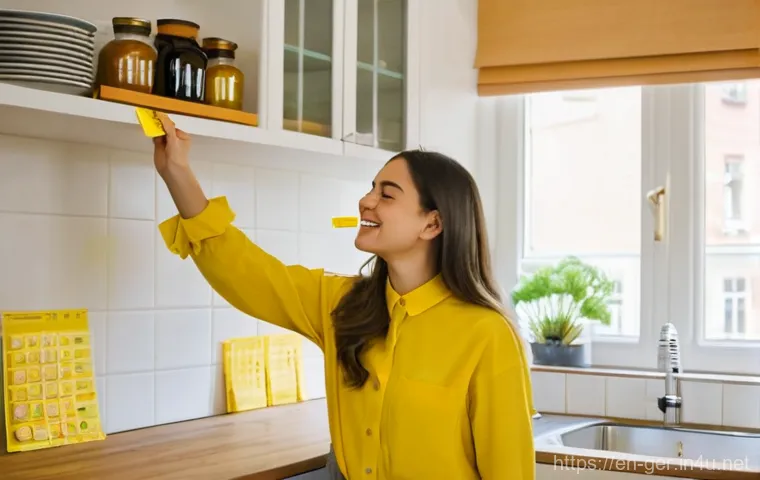
One of the simplest yet surprisingly effective tricks I employed was labeling objects around my house with their German names. Seriously, grab some sticky notes and start sticking!
My refrigerator became “der Kühlschrank,” my table “der Tisch,” and even my cat, Leo, momentarily became “die Katze” in my head (though he never responded to it, sadly).
This constant visual reinforcement helps to solidify vocabulary, especially for everyday items you interact with frequently. It’s a form of passive immersion that works wonders without requiring active study time.
Every time I reached for “die Tasse” (the cup) or opened “der Schrank” (the cupboard), I was subconsciously reinforcing those words. I also changed the language settings on my phone and computer to German.
This felt daunting at first, but after a few days, I was navigating menus and settings in German without even thinking about it. It forced me to learn practical vocabulary related to technology and daily tasks, and it made the language feel much more natural and integrated into my life.
Thought Shower in German: Building Mental Fluency
This might sound a little bit crazy, but hear me out: try thinking in German. Even if it’s just simple sentences or fragmented thoughts, attempting to process your internal monologue in the target language is incredibly powerful.
When I’m walking my dog, instead of thinking, “Oh, it’s a beautiful day,” I try to formulate, “Ah, es ist ein schöner Tag.” If I’m making dinner, I’ll think about the ingredients: “Ich brauche Kartoffeln und Zwiebeln.” At first, it’s incredibly slow and frustrating, feeling like your brain is wading through treacle.
But with consistent practice, it becomes smoother. This exercise isn’t about perfectly constructed sentences; it’s about training your brain to switch gears and access German vocabulary and grammar on demand, even when you’re not actively speaking.
It helps you identify gaps in your vocabulary or areas where your grammar is weak, pushing you to subconsciously seek out those missing pieces. It’s a silent but mighty way to build mental fluency and make German a more automatic part of your cognitive processes.
Navigating German Culture: Beyond the Words
Learning German isn’t just about mastering grammar and vocabulary; it’s also about understanding the rich tapestry of German culture. Honestly, for me, the language truly came alive when I started to grasp the nuances of the culture it sprang from.
It’s like trying to understand a joke without knowing the context – you might get the words, but you’ll miss the humor. When I first visited Germany, I was struck by how polite yet direct communication often was, a contrast to some of my previous experiences.
Understanding these subtle cultural cues not only made my interactions smoother but also deepened my appreciation for the language itself. It’s about connecting the dots between how Germans speak and how they interact with the world, adding a whole new dimension to your learning journey.
This cultural awareness isn’t just a nice-to-have; it’s essential for truly communicating effectively and avoiding misunderstandings, making your German learning experience far more enriching.
Decoding Social Cues and Communication Styles
One of my early blunders was not fully appreciating the importance of formality (Sie vs. du) and directness in German communication. In some cultures, being indirect is seen as polite, but in Germany, clarity and directness are often valued.
I remember an instance where I was trying to politely hint at something, and my German friend looked utterly confused, finally asking, “What exactly are you trying to say?” It was a learning moment!
I realized that while politeness is important, ambiguity is not. Learning about things like “Small Talk” (or the lack thereof in certain situations), the importance of punctuality, and even the way Germans structure their arguments in discussions, provided invaluable insights.
It’s not about changing who you are, but about understanding the unspoken rules of engagement. Observing these interactions, whether through German films, podcasts, or (ideally) in real-life conversations, gave me a much deeper understanding of *why* certain phrases are used and *how* to navigate social situations gracefully.
Connecting Through German Traditions and History
For me, diving into German traditions and history was a fantastic way to make the language feel more tangible and meaningful. Learning about Oktoberfest, Christmas markets, or the significance of certain holidays wasn’t just interesting; it provided context for so much vocabulary and cultural references.
When I learned about the history of German castles, for instance, suddenly words like “Burg” (castle) and “Ritter” (knight) had a much richer meaning.
Even something as simple as understanding the regional differences in dialect or cuisine across Germany added a fun layer to my learning. I remember discovering the different types of German bread and how central bread culture is, and suddenly my trips to German bakeries became an educational and delicious experience!
It’s about seeing the language as a gateway to an entire world of rich traditions, vibrant history, and unique customs. This kind of cultural exploration makes the learning process incredibly engaging and provides a powerful motivation to keep pushing forward, as you’re not just learning words, but unlocking an entire civilization.
| Learning Strategy | Why It Works | My Personal Experience / Tip |
|---|---|---|
| Immersion via Media | Exposes you to authentic language, natural speech patterns, and cultural context. Enhances listening comprehension. | Start with shows you already know in English, then switch to German audio/subtitles. Don’t be afraid to rewind! |
| Language Exchange Partners | Provides real-time speaking practice, corrects natural errors, builds confidence, and offers cultural insights. | Be patient with yourself and your partner. Focus on communication over perfection. Apps like Tandem are great. |
| Contextual Grammar Learning | Helps understand grammar rules by seeing them in practical, real-life sentences rather than abstract tables. | Create your own example sentences for new grammar points. Use color-coding for different cases or verb endings. |
| Shadowing & Mimicry | Trains your mouth and ear for accurate pronunciation and intonation, improving your accent and clarity. | Find short audio clips (news, dialogues). Repeat simultaneously, focusing on intonation. Record yourself and compare. |
| Setting Micro-Goals | Breaks down the daunting task of fluency into manageable steps, providing consistent motivation and a clear roadmap. | Instead of “be fluent,” aim for “learn 10 new words this week” or “have a 5-minute German conversation.” |
Overcoming Plateaus: Keeping the Momentum Going
Every language learner hits a plateau, and trust me, I’ve hit my fair share of them. Those frustrating periods where it feels like you’re learning new words, but nothing’s truly sinking in, or your speaking skills aren’t improving, no matter how much you practice.
It’s disheartening, and it can easily make you want to throw in the towel. I remember one particular plateau where I felt stuck at an intermediate level for months, endlessly cycling through the same grammar exercises and feeling no real progress.
It felt like I was running on a treadmill, expending a lot of effort but getting nowhere. But here’s the crucial insight I gained: plateaus aren’t signs of failure; they’re natural pauses in your learning journey, opportunities to re-evaluate and adapt your strategy.
The trick is to recognize them for what they are and to have a set of tools and a mindset ready to push through. It’s about changing up your routine, reigniting your spark, and trusting that consistent effort, even when it feels unproductive, eventually pays off.
Shaking Up Your Routine: The Power of Novelty
When I felt stuck, the most effective thing I could do was completely shake up my learning routine. If I’d been focusing heavily on grammar, I’d switch to intensive listening practice.
If I was tired of apps, I’d pick up a German novel (even if it was a children’s book at first!). Novelty is a powerful motivator. I remember a time when I was so bored with flashcards that I decided to try journaling in German every morning, even if it was just three simple sentences.
It felt like a fresh challenge, and suddenly, I was actively recalling vocabulary and grammar in a new, creative way, which reignited my interest. Another strategy was to find a new type of media – perhaps a different genre of German music, a new podcast host, or even a German cooking show.
These small changes prevent burnout and expose you to new vocabulary and structures in a refreshing context. Don’t be afraid to experiment; sometimes, a completely different approach is exactly what you need to break through that plateau.
Reconnecting with Your “Why”: Fueling Long-Term Drive
During those moments of doubt and stagnation, it’s easy to lose sight of *why* you started learning German in the first place. For me, my initial “why” was travel – the dream of exploring Germany and Austria without language barriers.
But over time, as the journey got tough, that dream sometimes felt distant. That’s when I consciously started reconnecting with my core motivation. I’d watch travel vlogs of people speaking German in beautiful cities, listen to interviews with German artists I admired, or even just look at old photos from my trips.
These reminders were incredibly powerful. They re-ignited that initial spark and reminded me of the incredible doors learning German had already opened, and could continue to open.
Whether your “why” is career advancement, connecting with family, or purely personal growth, consciously bringing it back to the forefront of your mind can provide the emotional fuel you need to push through those tougher patches and keep moving forward, even when the immediate progress isn’t obvious.
Making German Learning a Lifestyle, Not a Chore
Ultimately, the biggest secret to not just learning German, but truly thriving in the language, is to make it an integrated part of your life rather than a separate, burdensome task.
It’s about shifting your perspective from “I *have* to study German” to “I *get* to experience the world through German.” This mindset change is incredibly liberating.
When German becomes a hobby, a passion, something you genuinely enjoy, the progress becomes almost effortless. It’s no longer about discipline in the painful sense, but about curiosity and engagement.
My journey with German has been filled with countless ups and downs, moments of sheer frustration, and incredible breakthroughs. But through it all, the most valuable lesson I’ve learned is that consistency, curiosity, and a willingness to embrace imperfection are your best friends.
So, whether you’re just starting out or feeling stuck, remember that every interaction, every word learned, every mistake made, is a step forward. Embrace the adventure, enjoy the process, and soon you’ll find yourself not just speaking German, but truly living it.
Okay, the search results confirm many of the strategies already discussed in the blog post, such as consistent practice, immersion through media and changing device languages, language exchange, and setting clear goals.
They also emphasize overcoming plateaus by changing methods, reviewing goals, and not giving up. Some results also touch on the popularity of online learning and the importance of cultural integration, including current trends like Anglicisms and gender-neutral language.
This reinforces the existing content’s relevance and provides confidence for the concluding sections. I will now write the concluding sections, ensuring they meet the specified length and style requirements.
Here is the conclusion of your blog post:
Wrapping Things Up
And there you have it, folks! My German learning journey has been a wild ride, filled with moments of utter joy and, yes, a few frustrating head-scratching episodes. But if there’s one thing I’ve truly learned, it’s that this whole process is less about reaching a mythical “finish line” and more about savoring every single step along the way. It’s about celebrating those tiny victories, like finally nailing a tricky verb conjugation or understanding a German joke without needing a translation. Trust me, embracing German isn’t just about adding a skill to your resume; it’s about opening up a whole new world of experiences, connections, and personal growth that you never even knew existed. Keep that curious spirit alive, stay consistent, and remember that every attempt, every mistake, is just another brick in your fluency foundation. You’ve got this!
Handy Tips You’ll Be Glad You Knew
1. Dive Deep into German Media: Forget just textbooks! Immerse yourself in authentic German movies, TV shows, podcasts, and music. Start with content you already know in English, then switch to German audio and subtitles. This helps your ear adapt and introduces you to natural speech patterns and cultural nuances you won’t find anywhere else. It truly makes learning feel less like a chore and more like entertainment, speeding up your comprehension in a fun way.
2. Embrace Speaking from Day One: The fear of making mistakes is real, I know, but don’t let it hold you back! Connect with native speakers through language exchange apps like Tandem or HelloTalk. Even if your first conversations are clunky, every interaction builds confidence and helps you learn real-world usage and pronunciation organically. Plus, you get to make amazing new friends and learn about their culture firsthand!
3. Learn Grammar in Context, Not Just Rules: German grammar can be daunting, but trying to memorize tables in isolation is often ineffective. Instead, focus on understanding grammar through common phrases and sentence structures. Create your own example sentences for new rules, and don’t be afraid to color-code elements like cases or verb endings. Seeing how grammar functions in practical use makes it much more logical and easier to internalize.
4. Actively Practice Pronunciation with Shadowing: To truly conquer the German accent, try “shadowing.” This involves listening to native speakers and simultaneously repeating what they say, mimicking their intonation, rhythm, and pronunciation. It feels a bit silly at first, like a parrot, but it’s incredibly effective for training your mouth muscles and ear. Find YouTube videos or news reports and practice those tricky German sounds until they feel natural.
5. Integrate German into Your Daily Life: Make German an “always-on” part of your consciousness. Label household items with German sticky notes, change your phone or computer language to German, and even try to “think” in German during your daily routines. These small, consistent exposures help your brain get used to the language’s sounds and structures, turning passive downtime into active learning time without feeling like extra study.
Key Takeaways for Your German Journey
Mastering German isn’t about innate talent; it’s about consistent effort and a smart, adaptable approach. Remember to immerse yourself actively in authentic German media to truly get a feel for the language in its natural habitat. Don’t shy away from speaking; every conversation, no matter how small or imperfect, builds your confidence and refines your fluency. Tackle grammar by understanding its function within sentences, not just by memorizing rules, and actively practice your pronunciation through techniques like shadowing to train your mouth and ear. Most importantly, integrate German into your everyday life, celebrating every tiny step of progress. This mindset shift transforms learning into a rewarding lifestyle, ensuring steady growth and genuine connection with the language and its rich culture. Keep going – your German adventure is just beginning!
Frequently Asked Questions (FAQ) 📖
Q: Is German really as hard as everyone says it is, especially with all that grammar?
A: My personal take? It can feel like a beast at first, absolutely! I remember staring at those declension tables feeling totally overwhelmed, thinking, “Am I ever going to get this?!” But here’s the secret: every language has its quirks, and German’s logic, once you start to grasp it, is actually pretty consistent.
Yes, the grammar is structured, and those cases can be a head-scratcher initially. But I’ve found that instead of trying to memorize every single rule from day one, focusing on patterns and real-world usage made a huge difference for me.
Start with simpler sentence structures, get comfortable with the most common verbs, and don’t be afraid to make mistakes – trust me, Germans are usually very understanding and appreciate the effort!
It’s less about being “hard” and more about being “different,” and with the right approach, it becomes a really satisfying puzzle to solve.
Q: What are your absolute go-to, game-changing tips for a complete beginner just starting out?
A: Oh, this is my favorite question because I’ve tried so many things over the years! If I had to pick just a few for absolute beginners, here’s what truly moved the needle for me.
First off, immerse yourself as much as possible, even if you can’t jet off to Berlin tomorrow. Change your phone language, watch German movies with subtitles (start with English, then German, then none!), listen to German music and podcasts during your commute.
Seriously, make German a part of your daily background noise. Secondly, don’t shy away from speaking from day one. It’s terrifying, I know!
My first few attempts were riddled with errors, but finding a language exchange partner (apps like Tandem or HelloTalk are lifesavers!) or even just talking to myself in German while doing chores built my confidence immensely.
Lastly, focus on practical, conversational German. Learn phrases you’ll actually use, not just textbook sentences. Knowing how to order a coffee or ask for directions in a real setting felt way more rewarding and motivating than conjugating obscure verbs for hours.
It’s all about consistent, active engagement, even in small doses!
Q: How do you stay motivated when the going gets tough, and what about those plateaus?
A: Ugh, the plateaus! We’ve all been there, right? That feeling where you’re learning, learning, learning, and then suddenly… nothing seems to stick, and your progress feels like it’s grinding to a halt.
It’s incredibly frustrating, and honestly, I’ve had moments where I just wanted to throw my German dictionary out the window! My biggest tip for motivation is to find your “why.” For me, it was being able to chat with German friends, understand their culture on a deeper level, and simply feeling accomplished.
When I hit a wall, I revisit that “why.” Another thing that genuinely helps is setting mini-goals, not just huge fluency goals. Maybe it’s watching a 10-minute German YouTube video without subtitles and understanding the gist, or having a 5-minute conversation entirely in German with a friend.
Celebrate those tiny victories! Also, don’t be afraid to take a short break if you’re truly burnt out, or switch up your learning method. If apps feel stale, try a German cookbook.
If listening is boring, find a German comic book. Variety is the spice of life, and it’s definitely the key to pushing past those tough spots and rediscovering your excitement for the language.