Oh, Germany! Just thinking about its stunning landscapes, charming cities, and incredible history gets my travel bug buzzing. But let’s be honest, for many of us, the idea of navigating a new country’s public transportation system can feel a bit daunting, right?
I totally get it! My first time stepping off the plane, I remember clutching my travel guide, wondering if I’d ever figure out the U-Bahn and S-Bahn network without looking completely lost.
Well, good news! Having personally crisscrossed Germany countless times, I’ve picked up some fantastic insights that’ll make your journey not just smooth, but genuinely enjoyable.
Forget the stress; getting around this beautiful country is about to become your favorite part of the adventure. Ready to unlock all the secrets to stress-free German travel?
Let’s dive in and master the system together!
It’s absolutely wonderful that you’re looking to explore Germany using its public transportation! Trust me, it’s one of the best ways to truly experience the country, from the bustling city centers to the serene countryside.
Having personally relied on Germany’s trains, trams, and buses for countless adventures, I can tell you that while it might seem a little complex at first glance, it’s incredibly efficient and reliable once you get the hang of it.
Forget the stress of driving, parking, or navigating unfamiliar roads; instead, imagine yourself gazing out the window, sipping a coffee, and simply enjoying the journey.
This guide is packed with all the little tips and tricks I’ve learned along the way, so you can travel like a seasoned local and make the most of every moment.
Let’s make your German travel experience seamless and full of discovery!
Demystifying the German Transit Network: U-Bahn, S-Bahn, and More
Stepping into a German city for the first time, you might hear a flurry of terms like U-Bahn, S-Bahn, Strassenbahn, and wonder what on earth they all mean!
It felt a bit like learning a secret code for me initially, but once you crack it, it’s surprisingly intuitive. Think of it this way: the U-Bahn, or *Untergrundbahn*, is essentially Germany’s metro or subway system.
It primarily serves the urban core, with trains often running underground in the city center and sometimes emerging above ground as they reach the periphery.
These are fantastic for zipping around quickly within a city, especially in big hubs like Berlin, Hamburg, Munich, and Nuremberg. I remember one time in Berlin, I was running late for a museum tour, and the U-Bahn literally saved my day with its incredible frequency!
U-Bahn vs. S-Bahn: What’s the Real Difference?
Now, the S-Bahn, or *Stadtschnellbahn*, is often where the real magic happens for those looking to explore a bit further. While the U-Bahn sticks mostly to the city, the S-Bahn is more of a suburban rail system, acting as a vital link between the city center, its surrounding suburbs, and even smaller towns.
It’s a bit of a hybrid, sometimes running underground in the city and then transitioning to above-ground tracks, often sharing lines with regional trains.
I’ve found the S-Bahn perfect for day trips just outside of major cities, giving you a taste of local life without needing a car. You’ll typically spot the U-Bahn by its white ‘U’ on a blue sign and the S-Bahn by its white ‘S’ on a green background.
Don’t forget about the *Straßenbahn* (trams) and buses too! Trams are great for shorter distances within cities, often on dedicated tracks, offering a scenic way to see the sights.
Buses fill in the gaps, reaching areas not covered by rail and often providing crucial night service in bigger cities when other options might be winding down.
Beyond the Rails: Trams, Buses, and Regional Connections
Germany’s public transport really is a comprehensive web. Beyond the U-Bahn and S-Bahn, you’ll extensively use trams and buses. Trams, or *Straßenbahn*, are a delightful way to navigate urban areas, especially for shorter hops.
They often run on tracks integrated into the street, offering a more leisurely pace and fantastic views of the city as you go. Buses are the unsung heroes, reaching into every nook and cranny, connecting smaller neighborhoods and even rural areas, and they’re particularly handy for late-night travel after the U-Bahn and S-Bahn might have reduced service.
I’ve had some wonderful impromptu conversations with locals on buses in smaller towns, which truly added to my travel experience. The beauty of this integrated system is that for most local travel within a city or region, a single ticket usually covers all these modes of transport!
Savvy Ticketing: Your Passport to German Mobility
Navigating the ticketing system in Germany can feel like deciphering a secret scroll initially, but it’s really about choosing the right “key” for your journey.
Having spent countless hours at those sometimes intimidating, multilingual ticket machines, I’ve learned that a little planning goes a long way. The key is understanding the different types of tickets and which one best suits your travel plans.
Don’t fall into the trap of thinking a ticket is just a ticket – Germany offers a range of options, from single rides to passes that can save you a bundle if you’re exploring extensively.
Always remember to validate your ticket too, especially paper ones, by stamping it at the small yellow or red boxes on platforms or inside buses/trams.
It’s a trust system, but inspectors do make rounds, and being caught without a validated ticket incurs a hefty fine, often €60 or more!
The Deutschland-Ticket: A Game Changer for Explorers
Oh, the *Deutschland-Ticket*! This gem, often affectionately called the “49-euro ticket” (though its price increased to €58 per month from January 2025 and is set to rise to €63 from January 2026), has truly revolutionized travel across Germany.
It’s a monthly subscription ticket that grants you almost unlimited travel on *all* local and regional public transport throughout the entire country – think buses, trams, U-Bahns, S-Bahns, and regional trains (RB, RE, IRE).
Yes, you heard that right – the *entire country*! It’s a fantastic option if you plan to be in Germany for a full calendar month or longer and intend to move around a lot, not just within one city.
The catch is it’s a subscription, so you need to remember to cancel it by the 10th of the month if you don’t want it to renew for the following month.
I’ve personally used it to hop from quaint Bavarian towns to vibrant cities in the north, and it’s been an absolute lifesaver for my budget! Just remember, it’s not valid for long-distance trains like ICE, IC, or EC, or private long-distance bus services like FlixBus.
Understanding Ticket Types: From Single Rides to Day Passes
If the *Deutschland-Ticket* doesn’t quite fit your travel style, don’t worry, there are plenty of other options. For short trips or quick hops, a *Einzelfahrschein* (single ticket) is your go-to.
If you’re planning a full day of sightseeing within a specific city or region, a *Tageskarte* (day ticket) or a *Gruppentageskarte* (group day ticket) can offer incredible value, especially if you’re traveling with friends or family.
These often become economical after just two or three rides. I always do a quick mental calculation of my expected rides for the day to figure out if a day pass is worth it.
For longer stays in a specific city, weekly (*Wochenkarte*) or even monthly (*Monatskarte*) passes might be available, offering further savings. Keep an eye out for *Länder-Tickets* as well, which are regional day tickets offering unlimited travel on regional trains within a specific German state for a day, and they often have group discounts too.
It’s like a regional *Deutschland-Ticket* but for a single day!
| Ticket Type | Coverage | Typical Use Case | Key Feature |
|---|---|---|---|
| Deutschland-Ticket | All local/regional public transport nationwide (not ICE/IC) | Extensive travel across Germany for a month | Monthly subscription (€58/month from Jan 2025) |
| Einzelfahrschein (Single Ticket) | Single journey within a specified zone | One-off short trip | Valid for a limited time (e.g., 1-2 hours) |
| Tageskarte (Day Ticket) | Unlimited travel within specified zones for a day | Sightseeing-heavy day in a city/region | Cost-effective for multiple rides in one day |
| Gruppentageskarte (Group Day Ticket) | Unlimited travel for a group (e.g., up to 5 people) within specified zones for a day | Family or friend group exploring together | Significant savings for groups |
| Länder-Ticket (Regional State Ticket) | Unlimited travel on regional trains within a specific German state for a day | Day trips within a particular state | Often includes group discounts |
Seamless Journeys: Mastering Schedules and Timeliness
Ah, German punctuality! It’s legendary, and for good reason. While delays can happen (because, well, life!), the system generally runs like a well-oiled machine.
This means you can often plan your day down to the minute, which, for a planner like me, is incredibly satisfying. But mastering the schedules isn’t just about knowing when your train departs; it’s about understanding connections, platform changes, and making sure you’re at the right place at the right time.
I learned this the hard way on my very first solo trip when I confidently walked to the wrong platform and nearly missed a crucial connection. Never again!
Now, I always double-check the platform even if I think I know it.
Your Digital Travel Companion: Essential Apps
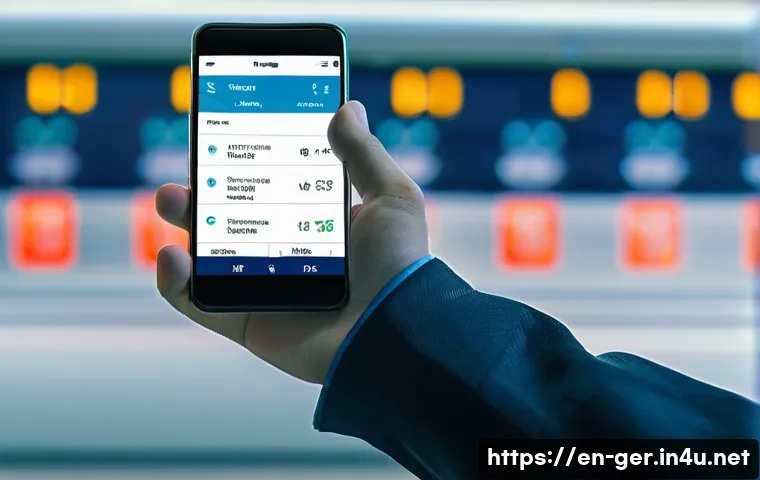
In today’s world, a smartphone is your best friend when it comes to navigating German public transport. The absolute must-have app is the DB Navigator.
This official Deutsche Bahn app is a powerhouse, providing real-time information for all trains (local and long-distance), buses, trams, and U-Bahns across the entire country.
You can plan routes, check for delays, see platform changes, and even buy tickets directly within the app. It even has a “comfort check-in” feature for some long-distance trains and a demand indicator to show you how full a train is expected to be.
I can’t tell you how many times this app has saved me from a missed connection or helped me find an alternative route during unexpected disruptions. For city-specific travel, apps like Moovit and Citymapper are fantastic, especially in larger urban areas like Berlin and Munich, offering comprehensive multimodal route planning that can even include bike-sharing options.
For Berlin, the BVG app is also a local favorite.
The Art of Connections: Don’t Be Late!
German transport hubs are designed for efficiency, with connections often seamlessly timed. However, “seamless” doesn’t mean “slow.” Trains and buses usually depart promptly, so arriving at the platform a few minutes early is always a good idea.
I remember a particularly stressful moment in Frankfurt when my ICE train arrived just a minute before my connecting regional train was due to depart from an adjacent platform.
I sprinted, heart pounding, and just made it as the doors were closing! That taught me to always build in a little buffer, especially if you have a tight connection or are unfamiliar with the station layout.
Stations, particularly larger ones like *Hauptbahnhöfe* (main train stations), are generally well-signed with digital displays showing departure times, platforms, and any delays.
Always cross-reference the app with the station displays – they usually sync up perfectly, but it never hurts to be sure. Also, be aware that schedules can change during public holidays, so it’s always wise to double-check during those times.
Exploring Beyond: Regional Trains and Scenic Routes
One of the absolute joys of traveling in Germany is how easily you can venture beyond the big cities and discover charming towns, stunning natural landscapes, and historical gems.
The regional train network is your best friend here, and it’s something I’ve truly come to appreciate over my years of exploring. These trains, often denoted as RE (Regional-Express), RB (Regionalbahn), or IRE (Interregio-Express), might be a bit slower than the high-speed ICE trains, but they offer a completely different, more intimate way to see the country.
They stop at more stations, meander through picturesque valleys, and often offer connections to even the smallest villages.
The Charm of Regional-Express and Regionalbahn
I vividly recall a journey through the Rhine Valley on a regional train. Instead of whizzing past at 300 km/h, we slowly chugged alongside the river, castles perched majestically on hillsides, and vineyards stretching as far as the eye could see.
It was an experience in itself, proving that the journey can indeed be as beautiful as the destination. Regional-Express (RE) trains are generally faster, connecting larger towns and offering quick links to long-distance services, while Regionalbahn (RB) trains make more stops, linking smaller communities to the regional hubs.
You’ll often find these trains to be clean, comfortable, and relatively quiet, perfect for relaxing and soaking in the views. Don’t be afraid to just hop on a regional train and see where it takes you; sometimes the best discoveries are made when you least expect them!
Unlocking Discounts: Länder-Tickets and Group Deals
For those looking to save a few euros while exploring a specific region, the *Länder-Tickets* are a godsend. These day tickets allow unlimited travel on regional trains within a particular German state (or *Land*) for one day.
And here’s the kicker: they often come with fantastic group discounts! I’ve used these countless times with friends, splitting the cost and making day trips incredibly affordable.
It’s a bit like a mini-Deutschland-Ticket for a specific area, and they are usually valid from 9:00 AM on weekdays, and all day on weekends and public holidays.
Always check the specific validity times and terms, as they can vary slightly by region. Beyond *Länder-Tickets*, if you’re traveling with a group of six or more, Deutsche Bahn also offers *Sparpreis Gruppe* (Group saver fares) for long-distance trains, which can provide significant savings if booked in advance.
It’s all about being a smart traveler and leveraging these options to stretch your budget further!
Etiquette on the Go: Blending In with German Commuters
Using public transport in Germany isn’t just about getting from A to B; it’s also about understanding the unwritten rules and social codes that make the system run so smoothly.
Germans value order and consideration, and by simply being mindful of a few key etiquette points, you’ll blend right in and have a much more pleasant experience.
My first time, I made the classic mistake of putting my backpack on the seat next to me during a somewhat crowded rush hour, only to realize I was getting subtle but firm glares.
Lesson learned! It’s all about shared space and mutual respect, and once you get it, you’ll appreciate how civilized it makes the daily commute.
The Golden Rules: Quiet, Cleanliness, and Personal Space
If there’s one overarching rule on German public transport, it’s this: keep the noise down. Germans appreciate a quiet journey. This means phone conversations should be brief and in a low voice, if not avoided altogether.
Loud chatter, music without headphones, or even excessive laughter can draw disapproving glances. I quickly learned to keep my headphones on and my conversations hushed.
Another big one is cleanliness. Always take your trash with you or dispose of it in the designated bins. Leaving your seat tidy is a sign of respect.
And then there’s personal space. Even if there are other seats available, it’s generally considered polite not to sit directly next to someone unless the train is crowded.
When it *is* crowded, make room for others by sliding in and taking your bags off seats, placing them on your lap or the floor. People won’t usually ask you to move; they’ll just stand there, waiting.
Boarding, Exiting, and Priority Seating
There are also some specific courtesies around boarding and exiting. The cardinal rule: always let passengers exit the train or bus before you attempt to board.
This keeps the flow of traffic smooth and prevents frustrating bottlenecks. You’ll often see people patiently waiting to the side of the doors for everyone to disembark before they step on.
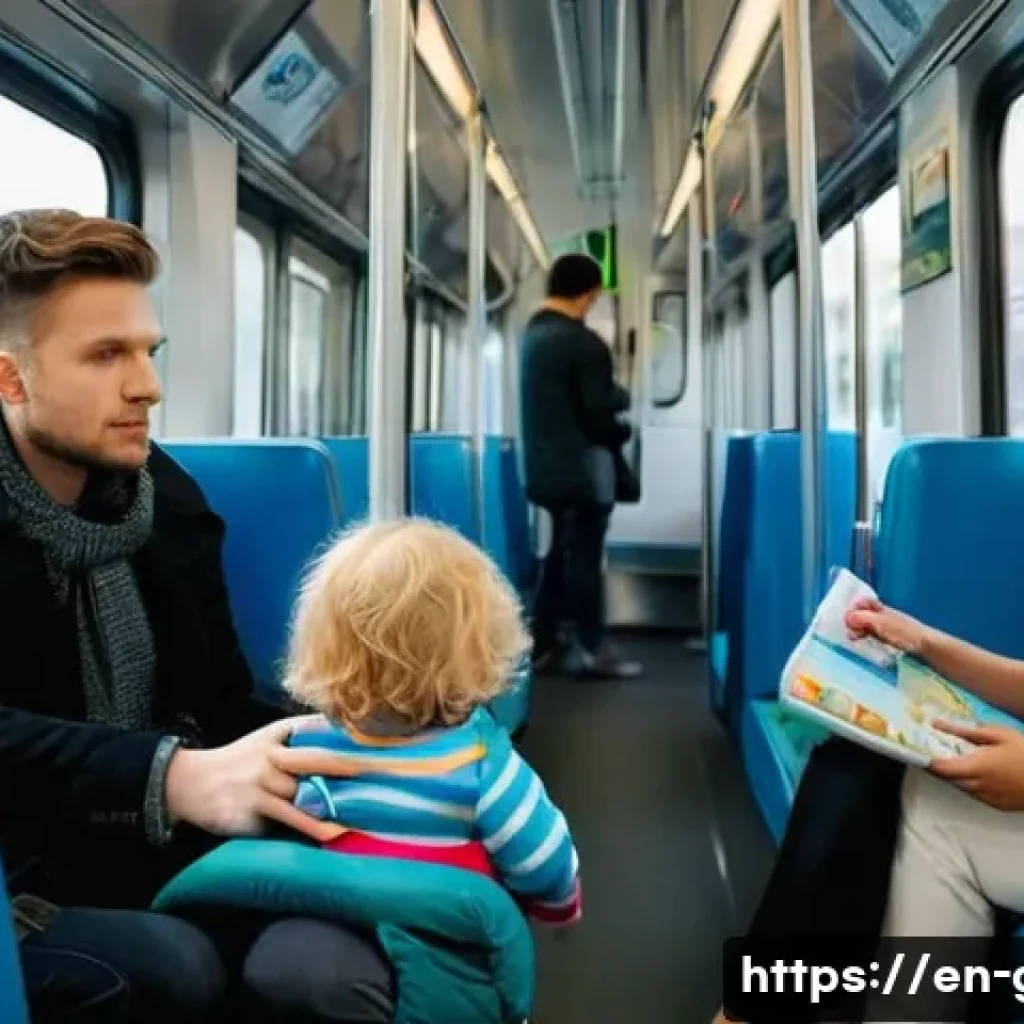
Within the vehicles, most public transport has designated priority seating for the elderly, pregnant women, disabled individuals, or those with small children.
These seats are usually clearly marked with icons. Even if you’re not in a priority seat, it’s common courtesy to offer your seat if you see someone who clearly needs it more than you do.
It’s a small gesture that goes a long way in showing respect and earning you a knowing smile from locals. I once offered my seat to an elderly woman struggling with groceries, and her grateful smile truly brightened my day!
Staying Safe and Smart: Tips for a Worry-Free Ride
While Germany’s public transport system is renowned for its safety and efficiency, it’s always smart to travel with a bit of awareness, just like you would anywhere new.
I’ve personally found it incredibly reliable, but a few simple precautions can make your journey even more stress-free, especially when you’re out exploring unfamiliar areas or traveling late at night.
Think of these as common-sense pointers to keep your focus on enjoying your adventure, not on potential worries. It’s all about being prepared, being aware of your surroundings, and trusting your gut feeling.
Ticket Validation and Unexpected Checks
This is a critical one, and it’s often where tourists get caught out: always validate your ticket before boarding. Unlike some other countries, Germany’s public transport system often operates on an “honesty system” with no physical barriers at U-Bahn or S-Bahn entrances.
However, this is backed up by frequent, unannounced ticket inspections, often by plainclothes inspectors. An unvalidated ticket, even if purchased, is considered invalid and will result in a hefty fine, typically €60 or more.
For paper tickets, look for small yellow or red stamping machines on platforms or inside buses and trams. If you buy your ticket on an app, it’s usually validated automatically.
I’ve seen tourists get fined simply because they forgot this crucial step, so please, don’t let it happen to you!
Vigilance and Awareness for a Smooth Journey
Even in the safest environments, a little vigilance goes a long way. During crowded times, especially in major stations or on popular tourist routes, pickpocketing can occur.
I always make sure my valuables are secure in a front pocket or a cross-body bag. When traveling late at night, particularly if you’re alone, try to stick to well-lit areas of stations and platforms, and choose carriages with other passengers.
Many cities also have night bus services that can be a safer alternative to walking alone. Having your phone charged and easily accessible is always a good idea for emergencies or if you need to quickly check routes.
And remember, in Germany, the emergency numbers are 110 for the police and 112 for medical emergencies. Knowing these simple details can provide immense peace of mind.
Maximizing Value: Smart Travel for Your Wallet
Let’s talk money, because honestly, who doesn’t love a good deal, especially when traveling? Germany’s public transportation, while incredibly efficient, can add up if you’re not savvy about your ticket choices.
Over my many trips, I’ve picked up a few tricks that have saved me a pretty penny, allowing me to splurge a little more on delicious German food or unique souvenirs.
It’s not just about finding the cheapest ticket; it’s about finding the *smartest* ticket for your itinerary, one that balances cost with convenience and flexibility.
A little research upfront can seriously impact your travel budget in the best way possible.
The Deutschland-Ticket Strategy for Longer Stays
As I mentioned, the *Deutschland-Ticket* at €58 per month (as of January 2025) is a fantastic value if you’re planning an extended stay or want to crisscross the country extensively using local and regional transport.
If your trip spans a calendar month (e.g., June 10th to July 5th), you’ll effectively pay for two months, as it’s a calendar-month subscription that renews automatically unless cancelled by the 10th of the preceding month.
However, even paying for two months can sometimes be cheaper than buying multiple individual long-distance regional tickets, especially if you plan many day trips.
I once calculated that for a three-week trip involving several city-to-city moves and local explorations, the *Deutschland-Ticket* saved me over €100 compared to buying separate tickets.
Just remember to cancel it properly if you don’t need it for subsequent months!
Leveraging Group Tickets and Regional Passes
For shorter trips or specific regional explorations, don’t underestimate the power of group day tickets (*Gruppentageskarte*) and Länder-Tickets. If you’re traveling with even one other person, these often offer significant savings compared to buying individual day tickets.
For example, a *Länder-Ticket* might cost €29 for one person but only an additional €5-7 for each extra person up to five. It makes exploring a whole state for a day incredibly affordable.
I’ve used these with friends and family countless times, hopping between small towns and picturesque landscapes without breaking the bank. Always check the specific conditions for each ticket, like validity times (often from 9 AM on weekdays, but all day on weekends) and which types of trains they cover.
Planning your itinerary to maximize these group and regional passes can truly unlock more adventures for less!
Navigating the Unexpected: When Travel Plans Go Awry
Let’s be real, even in a system as efficient as Germany’s, sometimes things don’t go exactly as planned. Trains get delayed, connections are missed, or platforms suddenly change.
It’s happened to me more times than I care to admit, and while it can be frustrating in the moment, I’ve learned that a little preparedness and a calm attitude can turn a potential disaster into just a minor hiccup.
The key is knowing what to do and where to find the right information, so you can quickly get back on track without feeling completely lost. After all, travel is about the journey, and sometimes the unexpected detours make for the best stories!
Real-Time Updates: Your Information Lifeline
When a delay hits, your first port of call should always be the DB Navigator app. Seriously, this app is a lifesaver. It provides real-time updates on delays, platform changes, and even suggests alternative routes.
I remember a time when my regional train was suddenly cancelled due to a technical issue. A quick check on the DB Navigator immediately showed me the next available connection and even indicated which platform to go to, saving me from a potentially long wait and a lot of confusion.
Station announcement boards are also excellent sources of information, displaying current departure and arrival times, and any changes. If you’re still unsure, don’t hesitate to approach the information desks at larger stations; the staff are usually incredibly helpful, and many speak English.
Flexibility and Backup Plans: Embracing the Adventure
One of my personal philosophies for travel in Germany (and anywhere, really) is to build a bit of flexibility into my itinerary. While German trains are generally punctual, I avoid booking super tight connections, especially if I have an important appointment or another fixed plan.
Allowing for a buffer of 15-30 minutes between connections can significantly reduce stress. If a major delay does occur and you miss a connection with a *Flexpreis* ticket, you usually have the flexibility to take the next available train.
For *Sparpreis* or *Super Sparpreis* tickets, which tie you to specific trains, major delays might also grant you flexibility, but it’s always best to check with a DB staff member.
Sometimes, the unexpected opens up new possibilities – I once had a train delay that forced me to explore a small town for a few hours, and I stumbled upon the most charming local market I wouldn’t have otherwise seen!
It’s all part of the adventure, right?
Wrapping Up Our Journey
And there you have it, fellow adventurers! I hope this deep dive into Germany’s fantastic public transport system has demystified things a bit and made you feel more confident about exploring this incredible country. From the lightning-fast U-Bahn to the scenic regional trains, every journey here is an opportunity to soak in the culture, the landscapes, and the vibrant life that makes Germany so unique. Believe me, having navigated these routes countless times, I can genuinely say that letting the trains and buses carry you is not just efficient, but it’s a truly rewarding part of the travel experience. So, go on, pack your bags, download those apps, and get ready to create some unforgettable memories. Happy travels!
Handy Tips for Your German Adventures
1. Always Validate Your Ticket: This is crucial! For paper tickets, look for the small yellow or red stamping machines on platforms or inside buses/trams immediately after boarding. Digital tickets purchased through apps are usually pre-validated. Forgetting this step, even with a purchased ticket, can lead to a hefty fine of €60 or more. Trust me, you don’t want that unexpected souvenir!
2. Download the DB Navigator App: Seriously, this app is your absolute best friend. It provides real-time schedules for all modes of transport (trains, buses, trams, U-Bahn), updates on delays, platform changes, and allows you to purchase tickets. It’s an invaluable tool for planning, reacting to unexpected changes, and ensuring smooth connections across the entire country.
3. Consider the Deutschland-Ticket for Longer Stays: If you’re spending a month or more, or planning extensive regional travel, the Deutschland-Ticket (currently €58/month from Jan 2025) is an incredible value. Just remember it’s a subscription and requires cancellation by the 10th of the preceding month if you don’t want it to renew. This ticket genuinely opened up so many exploration opportunities for me!
4. Leverage Group and Regional Tickets: Traveling with friends or family? Day tickets (Tageskarte) and especially the regional Länder-Tickets offer significant savings for groups. A Länder-Ticket can get up to five people unlimited regional travel within a state for a day, making group outings incredibly affordable and fun. Always check their validity times, typically starting from 9 AM on weekdays.
5. Embrace German Etiquette: Blend in by being mindful of local customs. Keep conversations low, avoid loud music, and always let passengers exit before you board. Offer your seat to those who need it more, and keep your personal belongings off adjacent seats when the vehicle is crowded. These small gestures create a more pleasant atmosphere for everyone and show respect for local culture.
Your Essential Checklist
To ensure your German public transport experience is as smooth as possible, here’s a quick rundown of the absolute must-knows. First and foremost, always validate your ticket – it’s the golden rule! Secondly, make the DB Navigator app your constant companion for real-time updates and seamless planning; it truly is a game-changer for navigating the entire system. Don’t forget to explore the cost-saving power of the Deutschland-Ticket for extended trips or the fantastic group discounts offered by Länder-Tickets for regional adventures. Finally, respecting local etiquette like quiet conversations and allowing others to exit first will make you feel like a seasoned local. With these tips in your back pocket, you’re all set for an incredible, worry-free journey across Germany!
Frequently Asked Questions (FAQ) 📖
Q: What are the main types of public transportation I’ll encounter in German cities, and how do they generally differ?
A: From my many trips, I’ve learned that Germany’s urban public transport is incredibly well-organized, with a few key players you’ll quickly get to know.
You’ll primarily rely on the U-Bahn, the S-Bahn, trams (often called Straßenbahn), and buses. The U-Bahn, or “Untergrundbahn,” is essentially the subway or underground, zipping you efficiently through the city centers, often literally below the streets.
Then there’s the S-Bahn, which stands for “Stadtschnellbahn” or city rapid railway. This one connects the city center with its suburbs and even extends to outlying districts, sometimes running underground in the city and above ground as it reaches the edges.
I remember initially being a bit confused between the ‘U’ and ‘S’ but quickly realized the U-Bahn is more intensely local within the city, while the S-Bahn cast a wider net.
Trams, or Straßenbahn, are those lovely streetcars that often provide a scenic route through cities, especially in places like Dresden or Leipzig, making it easy to hop on and off for sightseeing.
And of course, buses fill in all the gaps, reaching areas the trains and trams might miss, and they can be a real lifesaver for late-night travel, although they can be a bit slower.
Beyond the city, you’ll also encounter regional trains (Regionalbahn or RE/RB), which are fantastic for day trips to smaller towns and connecting between cities, though they’re slower than the high-speed ICE trains.
It really is a comprehensive system that just works!
Q: How do I go about buying tickets for German public transport, and are there any clever ways to save some euros?
A: Okay, so buying tickets can seem a little intimidating at first, but trust me, it’s straightforward once you get the hang of it! You’ll find multilingual ticket machines at pretty much every U-Bahn and S-Bahn station platform, and often at major bus and tram stops too.
These machines usually accept coins, bills, and credit/debit cards, which is super convenient. For buses, you can often buy a single ticket directly from the driver, but they usually prefer cash, especially small change, so keep some handy.
For trams, there are sometimes machines on board. My personal go-to nowadays is using mobile apps like the official DB Navigator app or local city apps (like BVG for Berlin or MVV for Munich).
They let you plan routes and buy tickets right on your phone, giving you a QR code – no paper needed, just make sure your phone’s charged! Now, for the money-saving tip that’s been a game-changer: the Deutschlandticket!
This fantastic monthly subscription, currently around €58 (it was €49, but the price recently increased), gives you almost unlimited travel on all local and regional public transport throughout Germany.
I mean, buses, trams, U-Bahn, S-Bahn, and even regional trains – it’s an absolute flat rate dream for a whole calendar month! Just remember it’s a subscription that renews automatically, so you’ll need to cancel it before the 10th of the month if you only need it for a specific period.
You can usually buy it through various apps or online, and some services even let you pay with foreign credit cards and manage it easily through your Apple or Google Wallet.
It’s seriously the best deal if you’re staying for more than a week or planning to move around a lot!
Q: What are some essential tips for a smooth, stress-free experience on Germany’s public transportation system, especially for someone new to it?
A: Alright, this is where my years of navigating German transport really come in handy! First off, and this is a HUGE one: always validate your ticket if it’s not already time-stamped.
Many tickets, especially single or day tickets bought from a machine, aren’t automatically valid. Look for small yellow or red stamping machines on platforms, inside buses, or on trams.
Insert your ticket to get it stamped – this activates it! Failing to validate is the same as traveling without a ticket, and German ticket inspectors, who are often in plain clothes, do not make exceptions for tourists.
The fine is pretty hefty, around €60, so please, please, don’t risk it. Another pro tip: Germans take their public transport etiquette seriously. Let passengers exit the train or bus before you try to board.
It keeps things flowing efficiently. Also, on escalators, stand on the right and walk on the left if you’re in a hurry. Most locals are pretty quiet on trains and buses, especially in designated quiet zones, so try to keep your voice down, and definitely avoid loud phone calls.
Lastly, punctuality is a point of pride, so trains and buses are usually on time to the minute. Use the DB Navigator app or Google Maps to plan your journeys and check for any real-time delays, which are rare but can happen.
With these tips, you’ll be zipping around Germany like a local in no time – enjoying every bit of the journey!