Hey there, fellow adventurers! Ever thought about simply gliding from the charming canals of the Netherlands to the historic castles of Germany, or vice versa, in just a blink?
I recently experienced this incredible European fluidity firsthand, and let me tell you, it’s a game-changer. Forget stressful border crossings; in the heart of Europe, these two vibrant countries share not just a border, but a seamless tapestry of culture, delicious food, and breathtaking landscapes, making a cross-country trip surprisingly easy and utterly rewarding.
I’ve always loved how effortlessly you can explore diverse cultures so close together, and the journey between Germany and the Netherlands perfectly embodies that spirit.
Whether you’re chasing windmills and vibrant tulip fields or ancient forests and bustling beer gardens, the short distance between them opens up a world of discovery.
Let’s accurately find out more in the article below!
Seamless Journeys: Gliding Across European Thresholds
When I first dreamt of hopping between Germany and the Netherlands, I imagined a dramatic border crossing, maybe a little fanfare, or at least a noticeable “Welcome to…” sign.
What I experienced was something far more magical and, honestly, a little anticelling in the best possible way: nothing at all! One moment you’re zipping through picturesque German countryside on a train, and the next, you’re gazing out at the famously flat Dutch landscapes, windmills perhaps already appearing on the horizon.
It’s truly a testament to the European Union and the Schengen Agreement, allowing for such effortless movement. I’ve found myself smiling at the sheer ease of it, thinking how incredible it is that these two vibrant nations, so distinct in their charm, can be explored with such fluid grace.
This fluidity transforms a multi-country trip from a logistical nightmare into a delightful adventure, opening up a world of possibilities for exploration without the usual travel headaches.
It makes you feel like you’re just moving from one region to another within the same large, beautiful country, not actually crossing an international border, which is just brilliant for us eager explorers.
Embracing the Schengen Spirit
The beauty of traveling within the Schengen Area is something I can’t praise enough. Remember the days of passport controls and lengthy waits? Those are, thankfully, a rarity when traveling between Germany and the Netherlands.
This means more time soaking up the culture and less time stuck in queues, which, as a seasoned traveler, is a massive win in my book! I recall one trip where I was so engrossed in a book on an ICE train from Berlin to Amsterdam that I literally didn’t realize we’d crossed the border until I heard the announcement for Arnhem in Dutch!
It was such a subtle transition that it almost felt like a trick. The freedom this provides is unparalleled, allowing you to plan your itinerary based purely on what you want to see and do, rather than being constrained by archaic border procedures.
It truly lets you immerse yourself in the journey without interruption, making every mile feel part of a larger, seamless narrative.
Train vs. Car: My Personal Take
Choosing your mode of transport really depends on your travel style. I’ve done both, and each has its unique charm. If you’re all about efficiency and enjoying the scenery without the stress of driving, trains are your best friend.
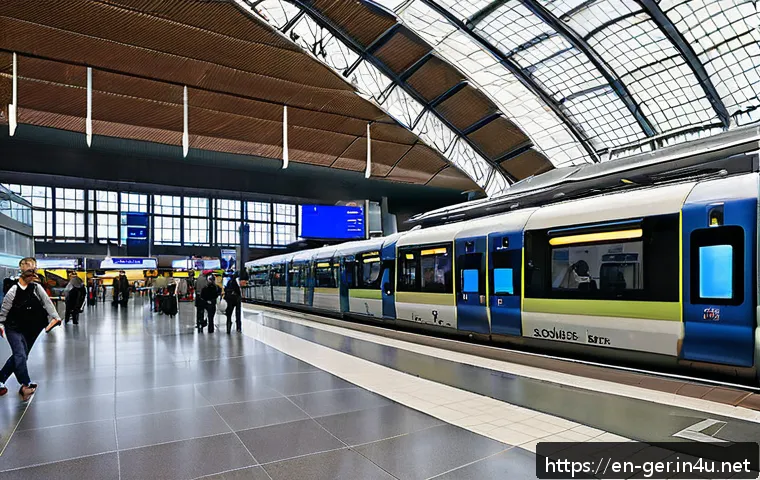
Deutsche Bahn (DB) and Nederlandse Spoorwegen (NS) offer fantastic connections, with high-speed ICE trains whisking you from major German cities to Dutch hubs in just a few hours.
For instance, a direct train from Berlin to Amsterdam can take around 5 hours and 45 minutes. Booking ahead, especially with DB’s saver fares, can get you some seriously good deals, sometimes as low as €44.99 for longer routes.
However, if you crave the freedom to stop at every quaint village or scenic overlook, hitting the road in a car is unbeatable. Just remember that while Germany’s Autobahns famously have stretches with no speed limits, the Netherlands is a bit more restrained, and parking in cities can be a real pain and quite expensive.
I once spent what felt like an eternity looking for a spot in Cologne, only to pay an arm and a leg! Always carry your driving license and insurance documents, just in case, though physical border checks are rare.
Beyond the Big Cities: Unearthing Hidden Charms
While Amsterdam and Berlin rightly steal the spotlight, I’ve found that some of the most profound and authentic travel experiences happen when you venture just a little further afield.
It’s in these quieter corners, where life moves at a different pace, that the true character of a country often reveals itself. These hidden gems are like secret passages to deeper understanding, offering a glimpse into local life far removed from the tourist throngs.
I’ve stumbled upon places that felt like stepping into a postcard, where every turn brought a new delightful surprise, from centuries-old architecture untouched by time to landscapes that simply take your breath away.
Trust me, dedicating some time to these lesser-known locales adds so much richness to your European adventure, creating memories that are uniquely yours and far more intimate than any guidebook could promise.
Dutch Delights Off the Beaten Path
In the Netherlands, beyond the bustling canals of Amsterdam, you’ll find places that feel lifted from a storybook. Have you ever heard of Giethoorn? It’s often called the “Venice of the North,” and for good reason!
This village is practically car-free, with picturesque canals replacing roads, and thatched-roof farmhouses lining the waterways. I spent a day there once, gliding along in a whisper boat, and it was utterly serene – a world away from city life.
Another incredible spot is Bourtange, a star-shaped fortified village near the German border. Walking its ancient walls, I felt like I’d stepped back in time to the 17th century.
It’s incredibly well-preserved and offers a fascinating peek into Dutch history, complete with a museum and historical reenactments. These spots aren’t always on the main tourist trail, which, in my opinion, makes them all the more special and enjoyable.
German Gems You Can’t Miss
Germany, too, is brimming with hidden treasures. Near the Dutch border, Aachen is a historical marvel, famous for its impressive cathedral, which is a UNESCO World Heritage site, and its spa traditions.
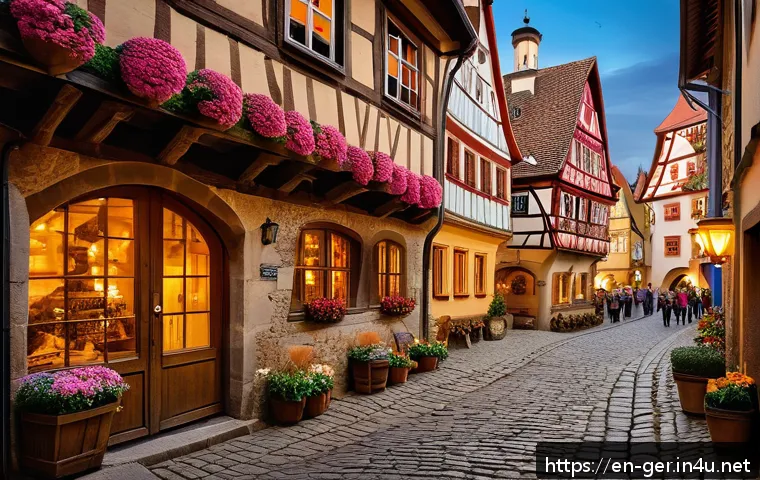
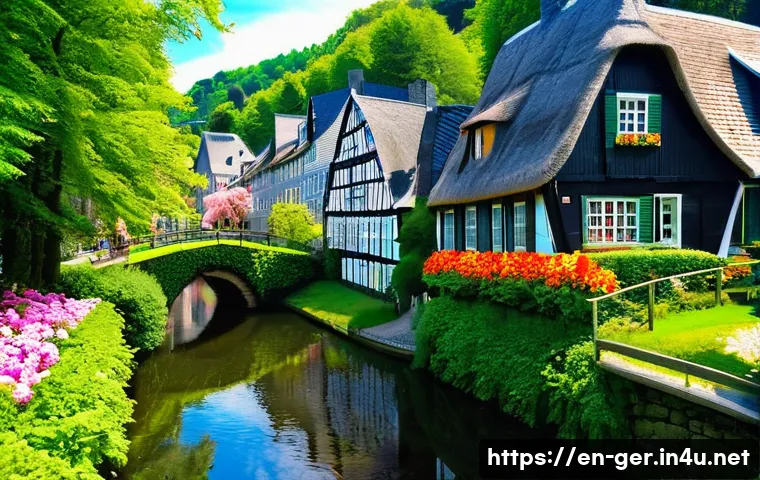
The blend of history and relaxation there is truly captivating. Further south, but still easily accessible, Monschau will steal your heart with its charming timber-framed houses nestled in a valley.
It’s picture-perfect, especially when illuminated in the evening. If you’re driving, the scenic Rhine and Mosel valleys offer fairytale castles perched on hillsides and vineyards stretching as far as the eye can see.
I once drove through the Mosel Valley in autumn, and the fiery colors of the foliage were simply spectacular. Don’t forget Münster, often dubbed Germany’s “bike capital,” where you can truly immerse yourself in the cycling culture, much like in the Netherlands.
These places offer such a diverse range of experiences that you’ll be constantly amazed.
A Feast for the Senses: Culinary Adventures Await
One of the absolute best parts of any trip for me is diving headfirst into the local cuisine, and let me tell you, Germany and the Netherlands do not disappoint!
Forget what you *think* you know about European food; these two countries offer a delightful array of flavors, from hearty comfort dishes to surprising sweet treats.
I always make it a point to seek out regional specialties, because that’s where you truly taste the local culture, and let me tell you, my taste buds have had some incredible adventures on both sides of the border.
There’s something so wonderfully authentic about trying a dish that locals have perfected over generations, and the sheer variety means you’re always discovering something new and exciting, often sparking conversations and connections with the people who prepare and share these culinary treasures.
Savoring Dutch Flavors
Dutch cuisine, for me, is all about delightful simplicity and unexpected pleasures. You absolutely *have* to try a “Bossche Bol” when you’re in ‘s-Hertogenbosch – it’s a giant choux pastry filled with whipped cream and covered in chocolate, and it’s pure heaven in every bite.
I remember getting chocolate all over my face the first time I tried one, and I honestly didn’t care because it was that good! And of course, a trip to the Netherlands isn’t complete without experiencing its world-renowned cheese.
Head to Alkmaar for their traditional cheese market (Fridays from April to September) where you can witness the centuries-old spectacle of cheese carriers and then, of course, indulge in some tasting.
It’s not just a food experience; it’s a cultural immersion. Don’t overlook the simple yet satisfying stroopwafels, especially warm from a street vendor – they’re perfect with a coffee.
German Comforts and Surprises
German food is often stereotyped, but oh, is it rich and diverse! Beyond the famous bratwurst, you’ll find regional variations that will blow your mind.
Currywurst in Berlin is a must-try – a humble sausage with a tangy curry sauce that surprisingly hits all the right spots. If you’re in the mood for something heartier, a good Schnitzel is always a winner; I’m partial to the Jägerschnitzel with its savory mushroom sauce.
In the East Frisian region, bordering the Netherlands, you might be surprised to find a strong tea culture, where the preparation and serving of tea is a cherished ceremony.
And for something truly unique, try Flammkuchen, especially in the border regions near France – it’s a thin, crispy “pizza-like” dish with crème fraîche, onions, and bacon, and it’s surprisingly light and incredibly flavorful.
From the asparagus (Spargel) season in spring to hearty stews in winter, Germany’s culinary calendar is a year-round delight.
Wheels or Rails? Your Perfect European Transport Guide
Deciding how to get around between Germany and the Netherlands can feel like a big decision, but honestly, both trains and cars offer fantastic ways to explore.
It really boils down to what kind of adventure you’re dreaming of. I’ve personally navigated both routes, sometimes opting for the speed and comfort of the rails, and other times craving the freedom of the open road.
Each mode of transport paints a different picture of the journey, offering unique perspectives on the landscapes and cultures you’ll encounter. What I’ve learned is that there’s no single “best” way; it’s about aligning your travel style with the practicalities and joys each option presents, allowing you to craft a trip that perfectly suits your rhythm and curiosity.
The Allure of European Railways
For me, there’s a certain romance to European train travel. It’s efficient, comfortable, and often breathtakingly scenic. The rail networks in both Germany and the Netherlands are top-notch, connecting major cities and even smaller towns with impressive regularity.
I love that I can just sit back, relax, and watch the world go by without worrying about directions or parking. High-speed trains like the ICE can get you from a city like Frankfurt to Amsterdam in about four hours, which is faster than driving sometimes, especially when you factor in city traffic.
You can even find direct services from Berlin to Amsterdam, making longer journeys surprisingly straightforward. Deutsche Bahn (DB) and Nederlandse Spoorwegen (NS) tickets can be booked well in advance, and if you snag a “saver fare Europe” ticket, you can often find incredible deals.
Plus, for those planning extensive European travels, a Eurail or Interrail pass can be a real game-changer, offering flexibility and cost savings.
Road Tripping Your Way Through
Now, if you’re like me and sometimes just crave the freedom of the open road, driving between Germany and the Netherlands is an absolute blast. The famous German Autobahn, with its stretches of no speed limit, can be quite exhilarating, though you’ll quickly notice the flatter, more regulated roads once you cross into the Netherlands.
Driving gives you the flexibility to chase sunsets, explore tiny villages not served by public transport, and stop whenever a picturesque view catches your eye.
Remember to always have your valid driving license, vehicle registration, and insurance documents handy, though official border checks are rare within the Schengen zone.
Keep in mind that while fuel prices can fluctuate, they tend to be higher than in the US, and city parking can really add up. I always plan my routes to include smaller towns where parking is easier and often cheaper.
| Mode of Transport | Pros | Cons | Approximate Cost (one-way, major cities) |
|---|---|---|---|
| Train (e.g., ICE) | Fast, comfortable, scenic, environmentally friendly, no driving stress | Can be expensive if not booked in advance, less flexible for rural areas | €45 – €340 (depending on route & booking time) |
| Bus (e.g., FlixBus) | Very economical, direct routes available | Longer travel times, potential for delays, less comfortable than train | €30 – €80 (depending on route) |
| Car | Ultimate flexibility, ideal for exploring rural areas, door-to-door convenience | Fuel costs, parking fees, navigation stress in cities, rental car drop-off fees (if cross-country) | €117 – €169 (fuel for Berlin-Amsterdam) |
Smart Planning for Smooth Sailing: Essential Tips & Tricks
Alright, my fellow travel enthusiasts, let’s talk strategy! A truly memorable trip isn’t just about where you go, but *how* you plan it. I’ve learned through countless adventures that a little bit of foresight goes a long, long way in making your journey stress-free and utterly enjoyable.
This isn’t about rigid itineraries, mind you, but about equipping yourself with the knowledge to make spontaneous decisions confidently and efficiently.
From picking the perfect time to visit to understanding how your Euros will stretch, these insights are born from real-world experiences and are designed to help you craft an adventure that’s both enriching and surprisingly smooth.
Trust me, nobody wants unnecessary hiccups when they could be savoring a local brew or marveling at a masterpiece.
Timing Your Trip Just Right
When it comes to visiting Germany and the Netherlands, timing can really shape your experience. Both countries are fantastic in summer (June to August), with lovely weather and a vibrant outdoor atmosphere.
However, this is also peak tourist season, meaning larger crowds and higher prices for accommodation and flights. I personally adore the shoulder seasons – late spring (April-May) for the Netherlands’ stunning tulip fields and Germany’s blooming landscapes, or early autumn (September-October) for Germany’s wine festivals and beautiful fall foliage.
These periods offer a great balance of pleasant weather, fewer crowds, and often better deals. If you’re a fan of festive cheer, December in Germany is magical with its world-famous Christmas markets, though prices do climb then too.
Just be prepared for colder, potentially wet weather if you travel in winter, especially in the Netherlands.
Budgeting Beyond the Basics
Let’s be real, money matters, and a well-planned budget can make or break a trip. From my experience, Germany tends to be a bit more budget-friendly overall than the Netherlands.
You’ll often find accommodation, food, and even transportation to be slightly less expensive in Germany. For example, a basic meal in an inexpensive restaurant might be around €11-€12 in Germany, while in the Netherlands, you might be looking at €10-€15 for lunch or €20-€30 for a main course at dinner.
To save some euros, consider staying in hostels or guesthouses, especially in Germany where they can be as low as €9-€19 per night. Cooking some of your own meals from supermarket finds is another great trick I use, particularly for breakfast.
And seriously, always factor in potential parking costs if you’re driving, especially in Dutch cities where they can be surprisingly steep! Booking accommodation ahead, particularly during peak season or around major festivals like Oktoberfest, is absolutely crucial to avoid eye-watering last-minute prices.
Embracing the Culture: From Windmills to Wälder
Beyond the practicalities of travel, what truly makes a journey unforgettable are the moments when you connect with the heart and soul of a place. Germany and the Netherlands, while neighboring, each possess such distinct and captivating cultural tapestries, woven with unique traditions, histories, and ways of life.
I’ve always found that the deepest insights come from stepping outside your comfort zone, embracing the local customs, and allowing yourself to be genuinely curious about the differences.
It’s in these moments – whether it’s participating in a centuries-old ritual or simply observing daily life – that you gather the stories and experiences that stay with you long after you’ve returned home.
It’s an incredibly rewarding feeling to immerse yourself and feel a little bit more like a local, even for a short while.
Dive into Dutch Traditions
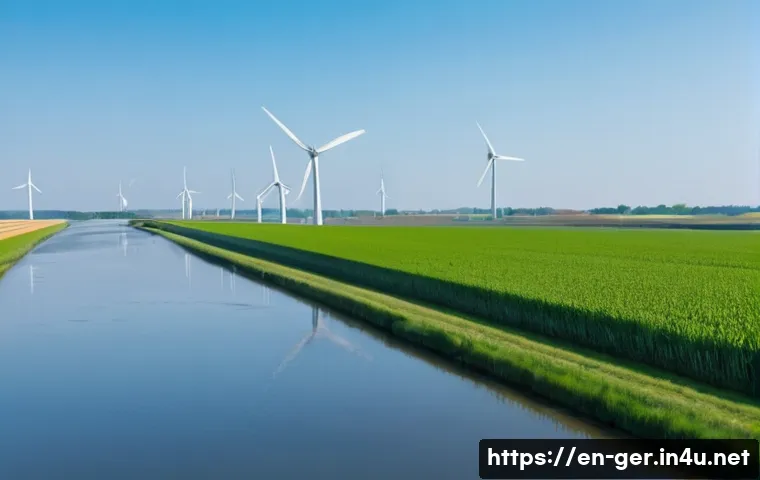
The Netherlands is, of course, synonymous with windmills and canals, and experiencing them firsthand is truly magical. Renting a bike and cycling through the flat countryside, past historic wind-powered mills, is an iconic and wonderfully Dutch way to see the landscape.
I remember one sunny afternoon cycling near Kinderdijk, and it felt like I was pedaling through a living painting! In the cities, a canal cruise in Amsterdam isn’t just a tourist cliché; it’s a fantastic way to appreciate the unique architecture and history from a different perspective.
And for art lovers, the Dutch masters await in world-class museums like the Rijksmuseum and the Van Gogh Museum in Amsterdam. Don’t forget to embrace the concept of “gezelligheid” – that untranslatable Dutch word for coziness, conviviality, and comfort – whether it’s in a brown café or a bustling market.
German Experiences: More Than Just Beer
Germany’s cultural landscape is incredibly rich and varied, going far beyond the clichés of beer and pretzels (though those are certainly enjoyable!).
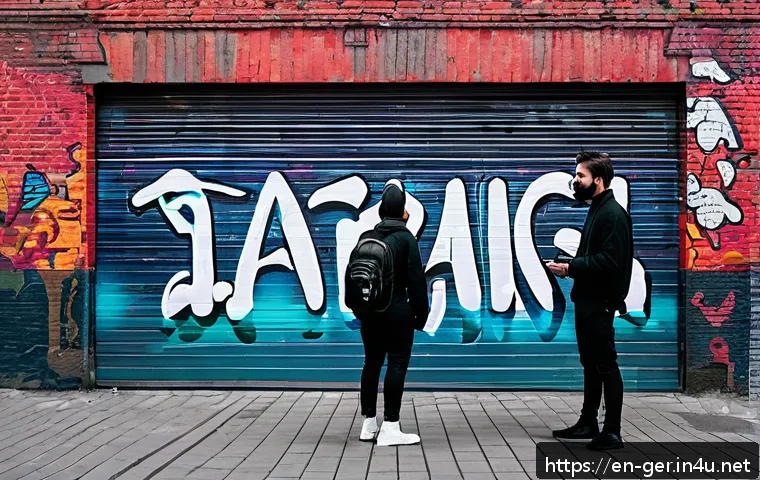
For a deep dive into history, Berlin’s iconic Brandenburg Gate and the poignant remnants of the Berlin Wall are profoundly moving. I spent hours at the East Side Gallery, admiring the murals and reflecting on the past – it’s a powerful experience.
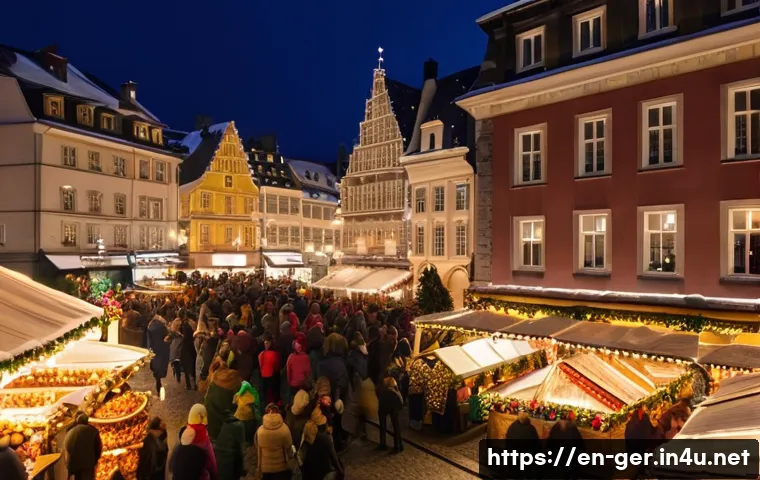
If you’re visiting in winter, the Christmas markets across Germany are an absolute wonderland; Nuremberg, Leipzig, and Berlin host some of the biggest and most enchanting.
Another unique German tradition is the “Saunahaus” experience. It’s a bit different from what you might expect, often involving therapeutic springs and a focus on wellness.
I tried it once, and while initially a little daunting, it was incredibly relaxing and a truly authentic local practice. And for nature lovers, exploring the dense, ancient forests (Wälder) like those in the Harz region or the Black Forest offers a completely different side of German beauty and culture.
글을 마치며
Phew, what a journey we’ve covered, exploring the incredible ease and sheer joy of traveling between Germany and the Netherlands! From the invisible border crossings to the rich tapestry of cultures, culinary delights, and diverse landscapes, it’s truly an experience that lingers long after you’ve unpacked your bags.
I genuinely hope my adventures and insights have sparked your own wanderlust and given you the confidence to dive into this wonderful corner of Europe.
Remember, the best trips are often those where you embrace the unexpected and let the journey unfold.
알아두면 쓸모 있는 정보
1. Cash vs. Card: Be Prepared! While credit and debit cards are widely accepted in both Germany and the Netherlands, I’ve found that smaller shops, local markets, and some cafes, especially in Germany, are still very much cash-friendly. Always carry some Euros, maybe €50-€100, just in case. There’s nothing worse than finding that perfect little souvenir and realizing they only take cash! I learned this the hard way trying to buy a delicious pretzel from a street vendor in Munich once.
2. Language Barrier? Not Really! While it’s always appreciated if you learn a few basic phrases (“Guten Tag,” “Dankeschön,” “Hallo,” “Bedankt”), you’ll find that English is very widely spoken, especially in tourist areas, major cities, and by younger generations in both countries. Don’t let language worries hold you back. I’ve had some wonderful conversations with locals using just English, mixed with a few enthusiastic hand gestures!
3. Connectivity is Key: Local SIMs or eSIMs. Staying connected is crucial for navigation, quick searches, and sharing those amazing travel moments. I highly recommend looking into a local SIM card upon arrival, or even better, setting up an eSIM before you leave. They’re surprisingly affordable and offer much better data rates than international roaming plans. It makes using Google Maps or finding that hidden gem restaurant so much smoother.
4. Embrace the Public Transport Apps. Both Germany (Deutsche Bahn Navigator) and the Netherlands (NS International, 9292) have excellent apps for planning your train, bus, and tram journeys. They offer real-time information, ticket purchasing, and often show alternative routes. Trust me, these apps are lifesavers for navigating complex networks and avoiding last-minute stress, especially when you’re trying to catch a connecting train.
5. Travel Insurance: Don’t Leave Home Without It! This might sound like a broken record, but seriously, invest in comprehensive travel insurance. From lost luggage to unexpected medical emergencies, it provides invaluable peace of mind. I’ve heard countless stories (and had a minor scare myself with a twisted ankle) where good insurance saved the day, preventing a minor mishap from turning into a major financial headache. It’s one of those things you hope you never need, but are eternally grateful for if you do.
중요 사항 정리
Traveling seamlessly between Germany and the Netherlands is genuinely one of Europe’s greatest pleasures, a testament to the freedom the Schengen Agreement offers.
My biggest takeaway, after countless trips, is to always lean into both the efficiency of the train systems for longer hauls and the unparalleled freedom of a car for exploring the charming, off-the-beaten-path locales.
Booking your trains and accommodations in advance, especially if you’re hitting peak season or a popular festival, is an absolute game-changer for snagging the best deals and avoiding last-minute stress.
But beyond the logistics, what truly enriches your journey is diving deep into the local culture – savoring every bite of a regional dish, attempting a few local phrases, and simply being open to the unique experiences each country offers.
It’s in these moments of authentic connection and discovery that the real magic of European travel truly shines.
Frequently Asked Questions (FAQ) 📖
Q: How effortlessly can I really travel between the Netherlands and Germany, and which transport option truly gives the best bang for my buck and time?
A: I’ve personally found traveling between these two European gems to be an absolute breeze, honestly. Thanks to the magic of the Schengen Area, you practically glide across the border without even realizing it – no pesky passport control, just pure freedom!
For most folks, the train is hands down the champion. Think about it: comfortable seats, often Wi-Fi, and you arrive right in the heart of the city. I’ve taken the ICE from Amsterdam to places like Düsseldorf and Cologne countless times, and it’s so relaxing; you just watch the changing landscapes fly by.
Buses like FlixBus are super budget-friendly if you’re not in a rush, perfect for stretching your travel funds further, though they can take a bit longer.
And if you’re a road trip enthusiast like me, renting a car offers incredible flexibility to explore charming towns off the beaten path. Just remember to factor in potential parking fees, different traffic rules, and that fuel costs can add up!
Each has its perks, but for speed and convenience, coupled with a touch of scenic relaxation, the train often wins my vote.
Q: With all this talk of seamless travel, do I still need to carry my passport or worry about any specific documents when going from the Netherlands to Germany?
A: Oh, this is a question I get all the time, and it’s a valid one! While it feels incredibly liberating to just zip between countries with no visible border checks – which, by the way, is a huge part of the charm – you absolutely, positively must always carry a valid form of identification.
For most international travelers, especially those from outside the EU, that means your passport. Even though border guards won’t be stopping every car or train, spot checks do happen, and you’ll definitely need it for things like checking into hotels or if, heaven forbid, you have any kind of emergency or encounter with local authorities.
I’ve personally had friends who forgot their ID, and while it usually works out, it can definitely cause an unnecessary headache. Better safe than sorry, right?
Keep it handy but secure, and you’ll be golden.
Q: I’m all about experiencing the journey, not just the destination!
A: re there any must-see stops or particularly scenic routes you’d recommend between the Netherlands and Germany? A3: You’re speaking my language! It’s all about soaking in every moment, isn’t it?
While many people just zip between the big cities like Amsterdam and Berlin, I’ve discovered some truly delightful detours that make the trip so much richer.
If you’re going by car, especially if you’re coming from the southern Netherlands, definitely consider a route through the picturesque Eifel region in Germany.
The rolling hills, ancient castles, and quaint villages are just stunning, and it feels like stepping into a fairytale. On the train, while you won’t make stops, the journey itself can be quite lovely, particularly as you pass through the countryside.
For a unique experience, I once took a detour to Münster in Germany, a vibrant university city with a beautiful historic center and loads of bikes, easily accessible from the eastern Netherlands.
Or, if you’re starting in Germany and heading towards the Dutch coast, consider a stop in places like Utrecht or Arnhem – they offer that quintessential Dutch charm, beautiful canals, and interesting museums, often without the huge crowds of Amsterdam.
These little gems really transform a simple transfer into an unforgettable part of your adventure!